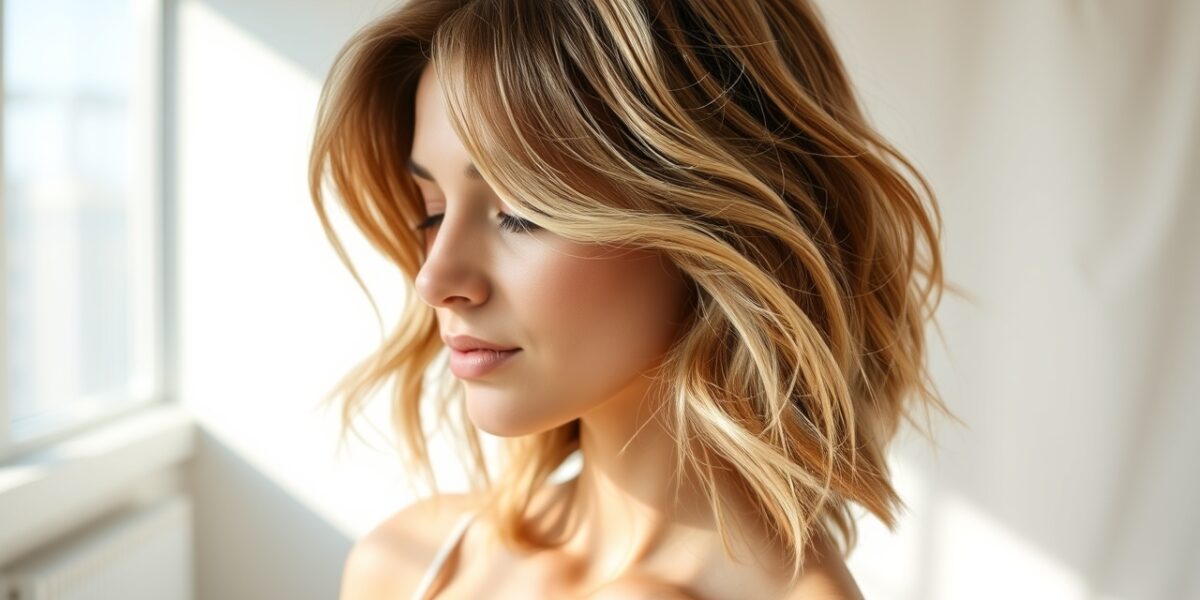
How to get beach waves can be as simple as following a few key steps and using the right tools. With a little patience and the right routine, you can transform any hair type into a sun‑kissed, textured look that feels both relaxed and chic.
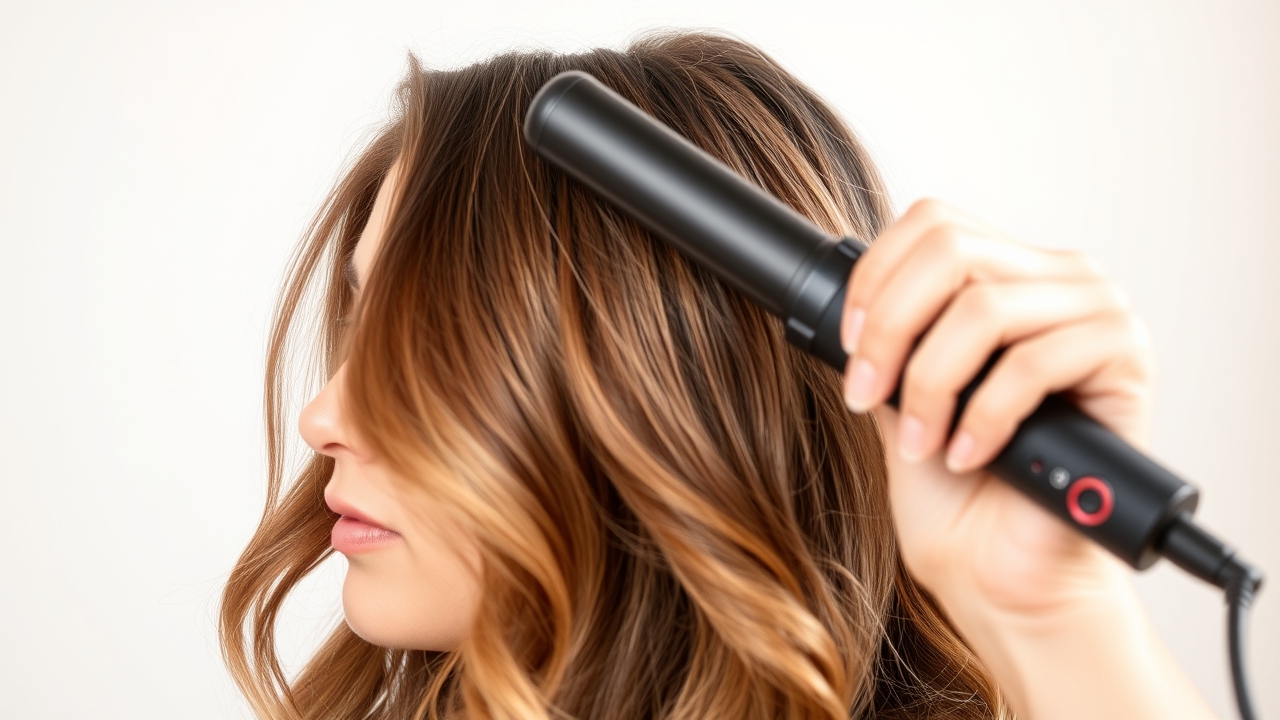
How to Get Beach Waves: The Basics
Beach waves are more than a hairstyle—they’re a mood. Think of the gentle sway of tide‑washed strands, the effortless bounce that looks good in any setting. The beauty of beach waves lies in their natural, undone appearance, which can be achieved with a few simple techniques. Whether your hair is straight, wavy, or curly, the goal is the same: create loose, textured curls that look like you just stepped off a vacation.
Choosing the Right Hair Type and Length
While the same tools can work for most hair types, the starting length matters. Medium to long hair (6–12 inches) offers enough volume to hold waves without looking flat. For shorter cuts, you can still achieve beachy texture by focusing on the tips and layering. The key is to have enough length to wrap around a curling wand or to pull through a flat iron without breaking the strands.


Essential Tools and Products
- Curling wand or flat iron: A swiftly heated wand (1–2 inches) or a flat iron (1–2 inches) works best for loose waves.
- Heat protectant spray: Protects hair from damage during styling.
- Texturizing spray or sea salt spray: Adds grit and holds waves.
- Wide‑tooth comb: For detangling and separating waves after styling.
- Hair dryer with a diffuser attachment: Helps set waves without frizz.
- Heat‑resistant hair ties: Keep sections separate without pulling.
- Microfiber towel or cotton T‑shirt: Reduces friction and frizz.
Beachy Waves Tutorial: Step‑by‑Step
Prep Your Hair
Start with clean, damp hair. Apply a heat protectant spray evenly, then let the hair air‑dry until it’s about 70% dry. This reduces the amount of heat needed and keeps the strands supple. If your hair is naturally dry, consider using a lightweight leave‑in conditioner to add moisture before styling.
Curling Techniques
Using a Curling Wand
- Section your hair into 2–3 inch strips, starting at the back.
- Hold the wand vertically and wrap the hair around it, leaving the top of the hair free.
- Hold for 10–15 seconds, then release.
- Repeat from the roots to the ends, rotating the wand slightly for varied curl direction.
- Allow the waves to cool before moving to the next section.
This creates a natural, beach‑like wave pattern that feels light and bouncy.
Using a Flat Iron
- Clamp a 1–2 inch section of hair and pull the iron down while twisting the hair around the barrel.
- Release after 5–7 seconds.
- Alternate the direction of the twist to avoid uniform curls.
- For thicker hair, use a larger barrel (2–3 inches) to reduce tension.
Using a Hair Dryer and Brush
- Attach a round brush to the dryer.
- Set the dryer to medium heat and pull the brush through each section while directing airflow downward.
- Use a low heat setting if your hair is fine or prone to frizz.
- Finish with a cool blast to set the waves.
Using a Diffuser on a Flat Iron
- Set the flat iron to a low temperature (300°F).
- Wrap a section of hair around the barrel, then place the diffuser on top.
- Move the iron and diffuser together in a gentle back‑and‑forth motion.
- Release after 10 seconds.
Setting and Finishing Touches
Once all sections are styled, lightly mist the hair with water or a setting spray. Use a sea salt spray to add texture and volume. Finish by gently scrunching the waves with a wide‑tooth comb. Avoid brushing the hair too harshly, which can flatten the curls.
Effortless Waves for Different Hair Textures
Fine Hair
Fine strands can flatten quickly. Use a small, heat‑resistant wand and keep the heat low (around 300°F). Apply a light mousse before styling to add lift. After curling, use a light hairspray with a “texturizing” finish to hold the waves without weighing them down.
Thick Hair
Thick hair holds waves well but can become heavy. Use a larger wand (2–3 inches) and apply a lightweight serum to reduce frizz. Section the hair tightly to ensure even curl distribution. Finish with a volumizing spray at the roots for added lift.
Curlier Hair
Curly hair often benefits from minimal heat. Instead of a wand, try scrunching damp curls with a diffuser attachment on a low heat setting. This intensifies natural waves without causing breakage. If you still want a more defined look, use a 1‑inch curling iron and wrap only the ends.
Maintaining Beach Waves All Day
Refresh Techniques
On hot days, waves may flatten. Lightly mist the hair with water and scrunch again, or use a small amount of sea salt spray while gently pulling the hair back into waves with your fingers. For a quick touch‑up, use a dry shampoo at the roots to absorb excess oil and lift the scalp.
Product Tips
Choose a lightweight, non‑greasy mousse or a sea salt spray that doesn’t weigh hair down. Avoid heavy styling creams that can make waves appear limp. A light hairspray with a “texturizing” finish can hold waves while keeping them feelable. If you’re prone to frizz, finish with a silicone‑free leave‑in spray.
Common Mistakes and How to Avoid Them
Many people over‑heat their hair, leading to dryness and breakage. Keep heat at 300–350°F and only heat each section for 10–15 seconds. Over‑tensioning during curling can also create unnatural, tight curls; let the hair relax between sections. Don’t forget to detangle before styling—tangled hair can cause uneven waves and breakage.
Advanced Tips for a Salon‑Quality Finish
Heatless Methods
On days you want to avoid heat, roll damp hair into small, non‑tangled rollers and let it set overnight. In the morning, remove the rollers and scrunch the hair with a sea salt spray. Alternatively, use a “no‑heat” curling wand that uses a low‑temperature ceramic surface to create waves without high heat.
Using Hair Accessories
Wrap a scrunchie or a silk hair tie around the ends after styling to lock in the waves. For a subtle lift, place a small, invisible hair clip at the mid‑length to keep the waves from falling flat.
Texturizing Products
After setting the waves, apply a light texturizing mousse at the roots to create volume. For a beachy, “salty” look, spritz a sea salt spray from mid‑length to ends, then scrunch with a wide‑tooth comb.
Hair Straightener for a Soft Finish
Use a flat iron with a ceramic barrel to gently straighten the ends while leaving the rest of the hair wavy. This gives a polished yet relaxed look suitable for work or formal events.
Why Beach Waves Work for Any Occasion
Beach waves add volume, movement, and a touch of effortless glamour. They’re versatile enough for a casual brunch, a corporate meeting, or a night out. The key is to keep the waves loose and natural—think “just‑stepped‑off‑the‑beach” rather than a tightly defined curl.
Internal Resources
For more styling tips, check out our comprehensive guide on haircuts and color.
External Reference
Learn more about the science behind beach hair by visiting Beach hair on Wikipedia.
FAQs
How to get beach waves on short hair?
Short hair can still achieve beachy texture by focusing on the ends and using a small curling wand or a flat iron with a low heat setting. Layering helps create the illusion of length, and a light sea salt spray gives instant volume.
Can I use a curling iron to get beach waves?
Yes! Choose a 1–2 inch barrel, keep the heat low, and twist the hair as you curl to create loose waves. Wrap only the ends for a subtle effect.
How long do beach waves last?
With proper setting spray and minimal touch‑ups, waves can last up to 24 hours. Refresh them with a light mist and scrunching as needed, especially on humid days.
What products should I avoid to keep waves natural?
Avoid heavy creams, waxes, and gels that can weigh hair down and make waves appear flat. Stick to lightweight mousses, sea salt sprays, and texturizing spritzes.
Can beach waves be done in the morning?
Absolutely. Start with damp hair, use a heat protectant, and style in sections. The waves look best when the hair is still slightly damp, so finish with a cool blast to set.
What’s the best way to protect my hair from heat damage?
Always use a high‑quality heat protectant spray before styling. Keep the temperature below 350°F and limit the time each section spends in heat. After styling, apply a lightweight serum or oil to seal the cuticle and keep moisture in.
How can I make beach waves more defined without using heat?
Use a no‑heat curling wand or place damp hair in small rollers overnight. In the morning, remove the rollers, apply a sea salt spray, and scrunch the hair with a wide‑tooth comb to enhance the waves.
Leave a Reply