
If you’ve ever stared at your reflection wondering how to make fine hair look fuller, you’re not alone. Thin hair can feel like a delicate puzzle—each strand is light, and without the right techniques, it’s easy to lose volume. But with the right cuts, layering, and styling hacks, you can transform your look from flat to fabulous. This guide dives into the best hairstyles for thin hair that add volume, backed by real-world examples and expert advice.
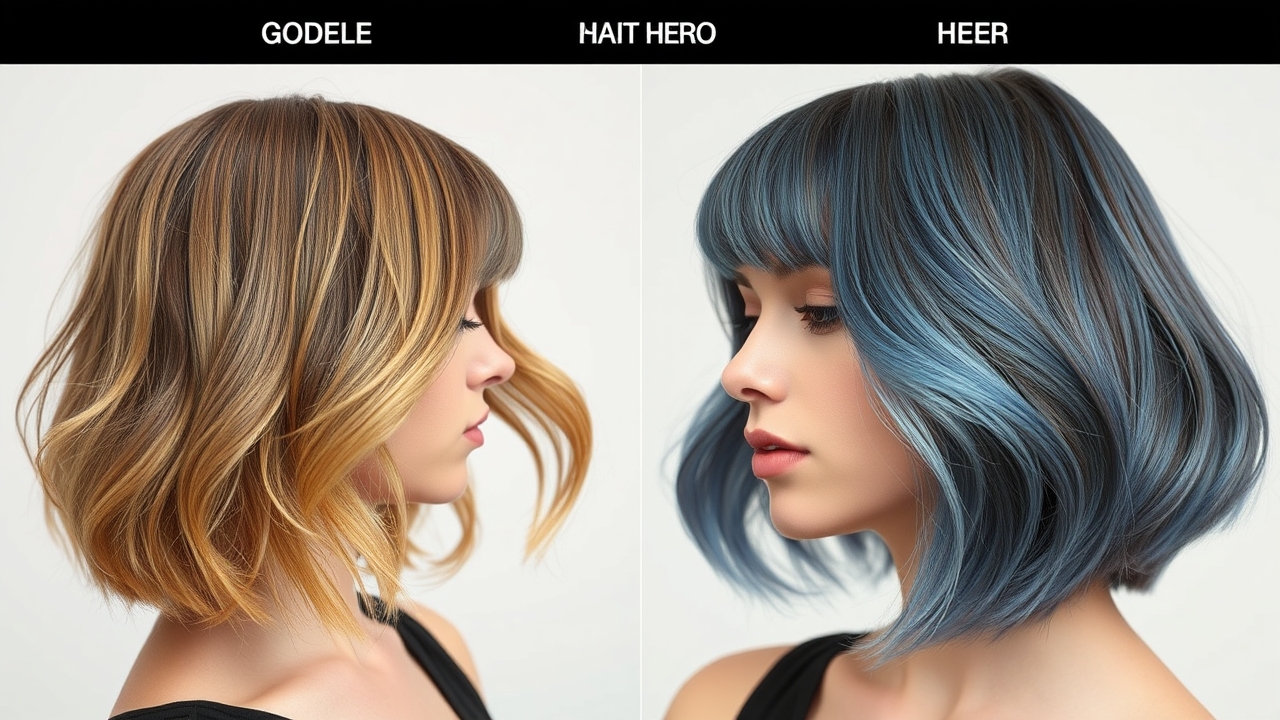
Hairstyles for Thin Hair That Boost Volume
Volume for thin hair isn’t about adding weight—it’s about creating movement and dimension. The goal is to make each strand work harder to catch light, giving the illusion of density. Think of it as a dance between cut, texture, and product. Below, we explore the top styles that achieve this, from short, bold cuts to long, flowing locks that play with gravity.
- Textured Shag – This isn’t your grandma’s shag. Modern textured shags use uneven layers and a mix of long and short strands to create a lived-in, voluminous effect. The irregularity prevents the hair from lying flat, making it appear thicker.
- Long Layered Cut – Layers aren’t just for thickness; they’re about strategy. By cutting layers at the mid-lengths and ends, you allow the hair to flow in a way that lifts the roots. Imagine a cascade of hair that moves with your head, rather than hanging limp.
- Short Pixie with Bangs – A pixie cut might seem counterintuitive for volume, but when paired with face-framing bangs, it creates a striking contrast. The bangs add a subtle lift at the front, while the short length keeps the hair light and bouncy.
- Curly Bob with Thinning Layers – For those with natural curls, a bob that incorporates thinning layers can reduce bulk while keeping curls defined. The key is to remove weight from the mid-section, allowing the curls to bounce with more energy.
- Side-Swept Bangs with Volume – Even if you’re not cutting your hair, side-swept bangs can be a game-changer. They pull the hair upward at the roots, creating a natural lift that mimics the effect of a volumizing product.
Why Layering Works for Thin Hair
Layering is the secret weapon for thin hair. By removing bulk from the mid-lengths, you create a natural gradient that lifts the roots. Think of it as giving your hair a “shelf” to rest on, rather than a single heavy stack. When layers are strategically placed—starting at the crown and tapering toward the ends—they create a visual illusion of thickness. For example, a layered cut that starts just above the ears and fades downward can make the hair appear fuller at the scalp.


Cutting Techniques: Cuts for Thin Hair
Not all cuts are created equal. Some styles inherently add volume, while others can make fine hair look even thinner. Here are specific cuts that work well, along with tips to maximize their effect:
- Layered Shoulder-Length Cut – Keep layers short (2-3 inches) to avoid weighing the hair down. A subtle V-shape at the crown adds dimension, while longer layers at the back create movement.
- Long, Soft Waves – Waves aren’t just for volume; they’re about texture. Use a curling wand with low heat to create loose, bouncy waves. The key is to let the hair cool between curls, which sets the waves naturally without heavy product.
- Bob with a Double Layer – A bob that’s cut short at the back and longer in the front creates a “double” effect. This gives the illusion of fuller hair at the crown, where volume is most noticeable.
- Blunt Cut with Textured Finish – A blunt cut can look sleek, but adding a texturizing shears finish prevents it from feeling flat. Run the shears through the ends to create subtle volume without overdoing it.
Fine Hair Tips: Product and Styling Hacks
Styling thin hair requires a delicate touch. Too much product can weigh it down, while too little can leave it looking limp. Here are practical tips to keep volume intact:
- Root-Boosting Mousse – Apply mousse only to the roots while hair is damp. Blow-dry upside down to lift the roots, then smooth the rest of the hair. This technique adds instant height without heavy product.
- Volumizing Spray – A light mist of volumizing spray at the roots can make a big difference. Avoid heavy conditioners that coat the hair, as they can flatten fine strands.
- Dry Shampoo – Use dry shampoo sparingly to absorb oil and add a “lift” effect. It’s a quick fix for days when you need volume without washing.
- Teasing at the Crown – A gentle back-comb at the crown creates instant height. Afterward, smooth the top with a light touch of hairspray to set the style.
- Avoid Heavy Creams – Stick to lightweight leave-in treatments that hydrate without adding weight. Look for products with ingredients like aloe vera or glycerin.
Volume for Fine Hair: Lifestyle and Maintenance
Volume isn’t just about styling—it’s about caring for your hair. Thin hair is more prone to damage, which can reduce its ability to hold volume. Here’s how to keep it healthy:
- Regular Trims – Trim every 6–8 weeks to remove split ends, which can make hair look thinner. A healthy cut promotes better growth and volume.
- Sulfate-Free Shampoo – Sulfates strip natural oils, making fine hair look dull. Opt for sulfate-free formulas to preserve moisture and strength.
- Protein Treatments – Once a month, use a protein treatment to strengthen strands. This helps prevent breakage, which can lead to thinner-looking hair.
- Avoid Heat Styling Overuse – Excessive heat can damage fine hair, making it prone to flattening. Use heat protectant and limit styling to 2–3 times a week.
Real-World Examples: From Everyday to Special Occasions
Let’s look at how these styles translate to real life. Whether you’re heading to work or a wedding, there’s a hairstyle for thin hair that fits the occasion:
- Everyday Commuter – A short pixie with side-swept bangs is perfect for a quick, stylish look. The bangs lift the hair at the front, while the short length keeps it manageable.
- Office Professional – A long layered cut with subtle waves keeps the hair polished but full. The layers add texture, while the waves create movement that catches light.
- Weekend Getaway – A textured shag lets you rock a carefree style. The layers give you freedom to flip your hair without it feeling flat.
- Wedding Day – A long layered cut with a side part and loose curls can look elegant. The layers ensure the hair doesn’t get weighed down by accessories like a veil or headpiece.
Expert Insight: What Stylists Recommend
Stylists often emphasize the importance of avoiding overly short cuts. While short hair can be chic, cutting too close to the scalp removes all natural volume. Instead, ask for “soft layers” that start just above the shoulders. This preserves the hair’s natural lift while keeping it lightweight. For example, a layered cut that begins at the nape of the neck and flows downward can create a balanced, voluminous look.
Why Thin Hair Matters: Understanding the Science
Thin hair, or fine hair, has a smaller diameter than thick hair. This subtle difference means each strand is lighter and more prone to flattening. According to thin hair on Wikipedia, these strands are more susceptible to damage from heat and chemicals, which further reduces volume. Understanding this can help you choose gentler techniques, like avoiding high heat or using sulfate-free products.
How to Choose the Right Cut for Your Face Shape
Volume can also be amplified by selecting a cut that complements your face shape. Here’s how to match your hairstyle to your features:
- Oval Face – Almost any cut works, but a layered bob can add fullness at the crown. The layers create a balanced, voluminous effect that enhances the face’s natural symmetry.
- Round Face – Opt for a longer, layered cut with side-swept bangs to create a vertical line. This elongates the face and adds volume at the crown.
- Square Face – Soft layers that start at the jawline help soften angles. The layers add dimension, making the face appear less rigid.
- Heart Face – A layered cut that falls just below the chin adds width at the lower face. This balances the narrower upper part of the face.
Styling Routine: Quick Guide for Busy Mornings
Here’s a 10-minute routine to maximize volume without sacrificing time:
- Start with damp hair. Apply a root-boosting mousse only to the crown.
- Blow-dry upside down, deixing the hair to lift.
- Use a volumizing spray for added height.
- Finish with a light mist of hairspray to hold the shape.
- Optional: Tease the crown lightly for instant lift.
FAQ
- Hairstyles for thin hair: what cut is best? The best cut is one that adds layers without heavy bulk—think soft layered bob or long layered cut.
- How do I add volume to fine hair at home? Use root-boosting mousse, blow-dry upside down, and lightly back-comb at the crown.
- What products should I avoid for thin hair? Heavy conditioners, thick gels, and alcohol-based sprays can weigh down fine strands.
- Can I grow out a short cut and still have volume? Yes—gradual lengthening with layers keeps the hair from feeling flat.
- Do I need a stylist for these cuts? A skilled stylist can help you choose the right layering and cutting angle for your hair type.
For more in-depth guidance on maintaining healthy, voluminous hair, visit our full guide and explore tips tailored to your hair type.
Leave a Reply