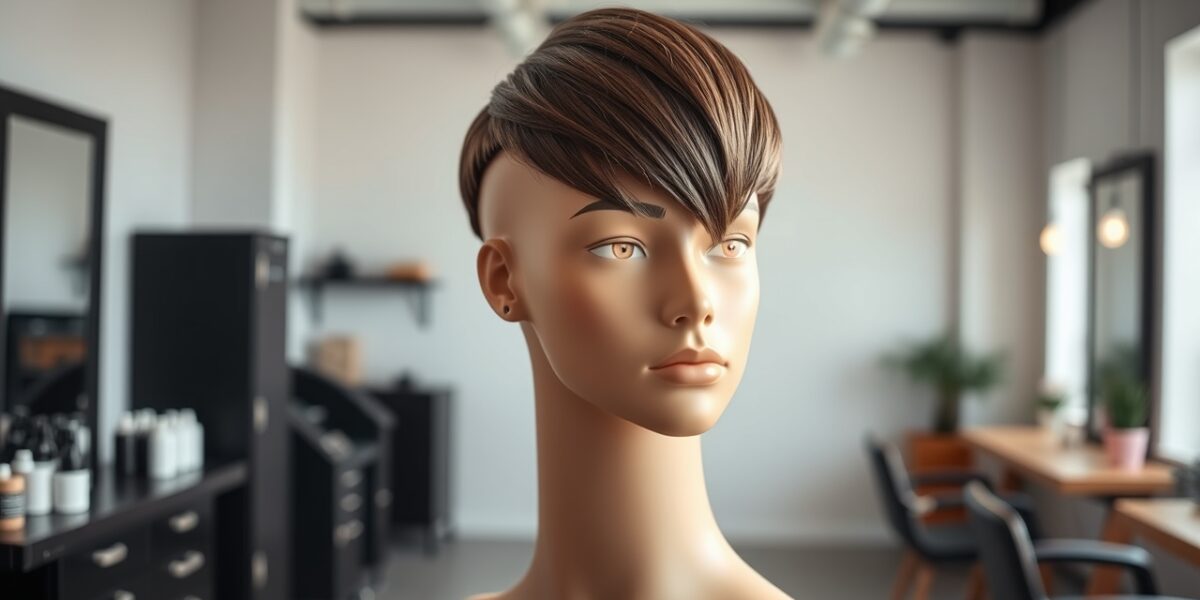
Short hair is more than a haircut; it’s a lifestyle choice that reshapes how you greet the day. When the long, heavy strands fall away, you reclaim time, confidence, and a new way to showcase your features. Below, we break down the essential styles, practical care tips, and styling tricks that will keep you looking sharp whether you’re heading to the office or hitting the weekend trail.
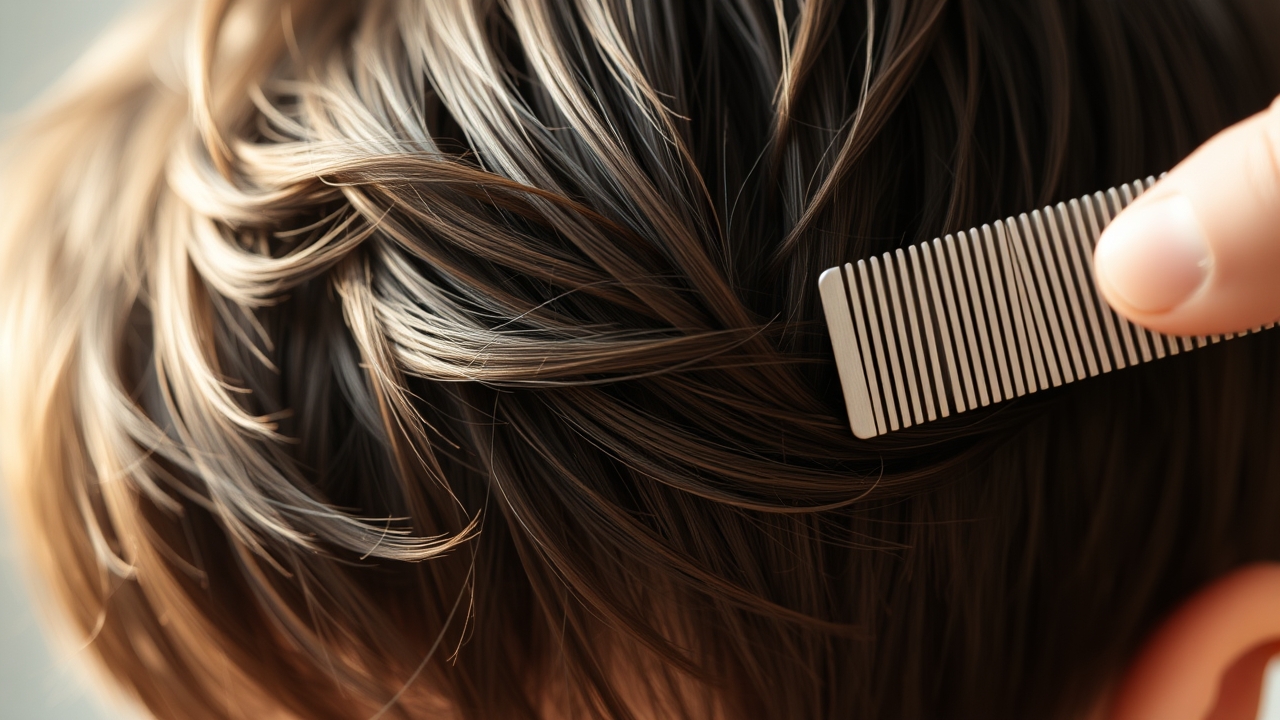
The Psychology and Practicality of Short Hair
There’s a certain decisiveness that a short cut conveys—an unspoken statement that you’re in control. It also offers tangible benefits: fewer washing days, quicker drying, and less reliance on heavy styling products. The trade‑off is regular trims—typically every four to six weeks—to keep the shape pristine and prevent that dreaded “grown‑out” look.
Exploring Popular Pixie Cut Ideas
The pixie remains the quintessential short style, but it’s far from a one‑size‑fits‑all. Below are three variations that cater to different textures and face shapes.


The Classic Tapered Pixie
Clean lines define this cut: very short on the sides and back, with a slightly longer top. It’s a favorite for oval and heart‑shaped faces because the vertical lift draws attention upward, elongating the face. A matte paste or light clay gives the top a subtle, piecey texture that feels effortless.
The Textured, Messy Pixie
Curly or wavy hair thrives here. Rather than fighting the natural movement, embrace it. A sea‑salt spray adds grit, while a light, volumizing mousse keeps the hair from flattening. The result is a “woke‑up‑like‑this” look that hides density issues and adds bounce to fine strands.
The Asymmetrical Pixie
For a modern edge, keep one side longer. The diagonal line softens a square jawline while adding a dynamic visual cue. When paired with a subtle fringe, it can make a bold statement without sacrificing balance.
Modern Cropped Hair Trends
Cropped styles push the envelope further, often approaching a buzz cut or tight fade. A soft crop—about an inch of hair all over—offers a velvety texture that highlights high cheekbones. It’s the ultimate low‑maintenance option for active lifestyles: a quick pomade or styling cream and you’re ready to go.
Choosing the Right Cut for Your Face Shape
Understanding your face geometry is key to selecting a flattering cut. Below is a quick guide to pair styles with shapes.
- Round Faces: Add height on top and avoid blunt bangs that cut the face in half. Side‑swept fringes or spiked textures create length.
- Square Faces: Soft layers around the ears and forehead soften harsh angles. Avoid straight, blunt cuts that mirror the jawline.
- Oval Faces: Lucky you—most short styles work. Experiment with asymmetry or a sharp crop to play up your natural balance.
- Heart Faces: Build width around the jawline. A chin‑length bob or a pixie with fullness near the ears balances a wide forehead and a narrow chin.
Maintenance and Styling Secrets
Short hair demands a different toolkit. Switch from a heavy brush to your fingers or a fine‑toothed comb. Use a lightweight volumizing mousse at the roots and a matte clay or wax for texture. Remember: less product equals a lighter, more natural finish. Start with a pea‑sized amount, warm it between palms, and work from the ends upward.
For deeper insight into professional care, visit Wikipedia’s guide on hair care to explore the science behind healthy strands.
Our professional hair styling tips article offers advanced techniques for everyday confidence.
The Role of Color in Short Hair
Color can elevate a short cut dramatically. With less volume, each hue stands out. Consider these options:
- Balayage on Short Hair: A subtle hand‑painted highlight adds depth to a textured pixie, creating shadows that make layers pop.
- Bold, Solid Colors: Short hair is a clean canvas for experimental shades. Think platinum buzz cut or deep copper crop—no mid‑length fade worries.
Common Mistakes to Avoid
- Cutting too much at once: If unsure, ask for a bob‑length first. You can always go shorter later.
- Ignoring hair texture: A sleek pixie won’t suit tight curls. Let your natural pattern guide the cut.
- Forgetting the back: A DIY cut can leave a mullet effect. Ensure the stylist trims the nape carefully.
- Neglecting scalp health: With more scalp exposed, use a clarifying shampoo to keep roots fresh and voluminous.
Step‑by‑Step: Styling a Textured Pixie at Home
Below is a repeatable routine that turns a freshly cut pixie into a polished look in minutes.
- Preparation: Start with damp, towel‑dried hair. Skip heavy oils; a lightweight volumizing mousse works best. Apply a small amount from roots to mid‑lengths.
- The Blowout: Use a medium‑heat dryer. Instead of a round brush, scrunch with your fingers to lift volume naturally.
- Setting the Shape: When 90% dry, switch to a cool shot to lock in the lift.
- Texturizing: Take a tiny amount of matte clay or wax. Warm it between fingertips and pinch the ends into small sections for a piecey finish.
- Final Touch: For flyaways, mist lightly with hairspray from at least 12 inches away. Avoid a crunchy finish.
Short Hair for Busy Professionals
For the career woman who values efficiency, a short cut is a game‑changer. A quick morning routine—wash, style, and go—means you’re ready for meetings, flights, or client calls without a second look. Pair a subtle fringe with a low‑maintenance fade, and you’ll spend less time on your hair and more time on your agenda.
Seasonal Care Tips
Short hair reacts differently to weather changes. In winter, use a lightweight leave‑in conditioner to combat dryness, and opt for a satin pillowcase to reduce friction. In summer, protect from UV rays by applying a spray with SPF and using a UV‑blocking hair spray to keep color vibrant.
Styling Tools You Need
- Fine‑toothed comb: Ideal for detangling without frizz.
- Small styling brush: Helps lift roots for volume.
- Heat‑resistant spray: Protects against damage during blow‑drying.
- Microfiber towel: Gently dries without causing breakage.
Celebrity Short Hair Inspirations
Take cues from the pros: Zendaya’s pixie with a subtle fringe, Brie Larson’s textured crop, and Gigi Hadid’s sleek, side‑swept pixie. Infantrying these looks can help you choose a cut that feels both personal and on‑trend.
Frequently Asked Questions
How do I know if short hairstyles for women will suit my face shape?
Examine the proportions of your jawline and forehead. A strong jaw benefits from soft layers, while a gentle jaw can handle sharper lines. Bring photos of models with similar features to discuss with your stylist.
How often do I need a haircut if I have short hair?
To maintain the precise shape, trim every 4 to 6 weeks. If you prefer a relaxed, shaggy vibe, you can stretch to 8 or 10 weeks, but the cut will lose definition.
Is short hair harder to manage than long hair?
It’s different, not necessarily harder. You’ll spend less time drying, but you’ll need to be precise with product application. Short hair leaves less room for hide‑away mishaps.
Can I have short hair if my hair is very thin?
Absolutely. Thin hair benefits from layered cuts that create the illusion of volume. A short, textured pixie or a cropped bob can lift the look and make strands appear fuller.
What should I do if I regret cutting my hair short?
Hair grows at roughly half an inch per month, so patience is key. Use the “awkward phase” to experiment with headbands, clips, or even a transitional mid‑length bob. Many great styles evolve from a short cut as it grows out.
Leave a Reply