Frizz is more than a visual nuisance; it’s a clear signal that your hair is craving moisture and protection. The journey to a smooth finish begins before you even touch your hair. By understanding the underlying causes and applying targeted techniques, you can transform unruly strands into a polished, glossy look that lasts all day.
Understanding the Science of Frizz
At the microscopic level, hair is a bundle of keratin filaments wrapped in a protective cuticle. When the cuticle lifts—whether from heat, chemical treatments, or humidity—the hair shaft becomes porous, allowing moisture to rush in and swell the cortex. The result is the fuzzy, uneven texture we recognize as frizz. Taming frizz means re‑sealing the cuticle and maintaining internal hydration.
The Role of Porosity
Porosity determines how quickly hair accepts and releases moisture. Below is a quick reference to help you identify your hair’s porosity and choose the right products:


| Porosity Level | Characteristics | Product Recommendation |
|---|---|---|
| Low | Cuticles lie flat; water barely penetrates. | Lightweight, water‑based leave‑ins; avoid heavy oils. |
| Medium | Balanced moisture absorption and retention. | Moderate‑weight creams and serums; blend with light oils. |
| High | Cuticles lift easily; hair absorbs and loses water quickly. | Rich, sealing creams, shea butter, argan oil; avoid over‑washing. |
Testing porosity is simple: take a clean strand, rinse it in a glass of water, and observe how long it takes to sink. High‑porosity strands sink quickly; low‑porosity strands float.
The Foundation: Washing and Conditioning
Frizz control starts with a proper wash routine. Strip the hair of excess oil and buildup, but preserve the natural sebum that keeps the cuticle supple.
Water Temperature Matters
Use lukewarm water for shampooing. Hot water can lift the cuticle, while cold water can tighten it prematurely. Finish with a cool rinse to help close the cuticle and lock in moisture.
Choosing the Right Shampoo
Opt for sulfate‑free formulas that cleanse without stripping. For color‑treated hair, look for a gentle, protein‑supporting shampoo that protects against fading.
Deep Conditioning is Non‑Negotiable
Apply a weekly deep conditioner enriched with hydrolyzed proteins, panthenol, and natural oils. Massage the product into the mid‑lengths and ends, then leave it on for 15–20 minutes before rinsing. This internal hydration reduces the hair’s tendency to reach out for external moisture.
Step‑by‑Step Guide: How to Style Frizzy Hair for a Smooth Finish
The way you handle damp hair determines the outcome. Avoid harsh scrubbing; instead, use gentle techniques that respect the cuticle.
1. Drying Technique
Replace the terry‑cloth towel with a microfiber towel or a soft cotton T‑shirt. Gently squeeze the hair to remove excess water—no rubbing. The goal is to reduce moisture while keeping the cuticle flat.
2. Apply Leave‑In Products
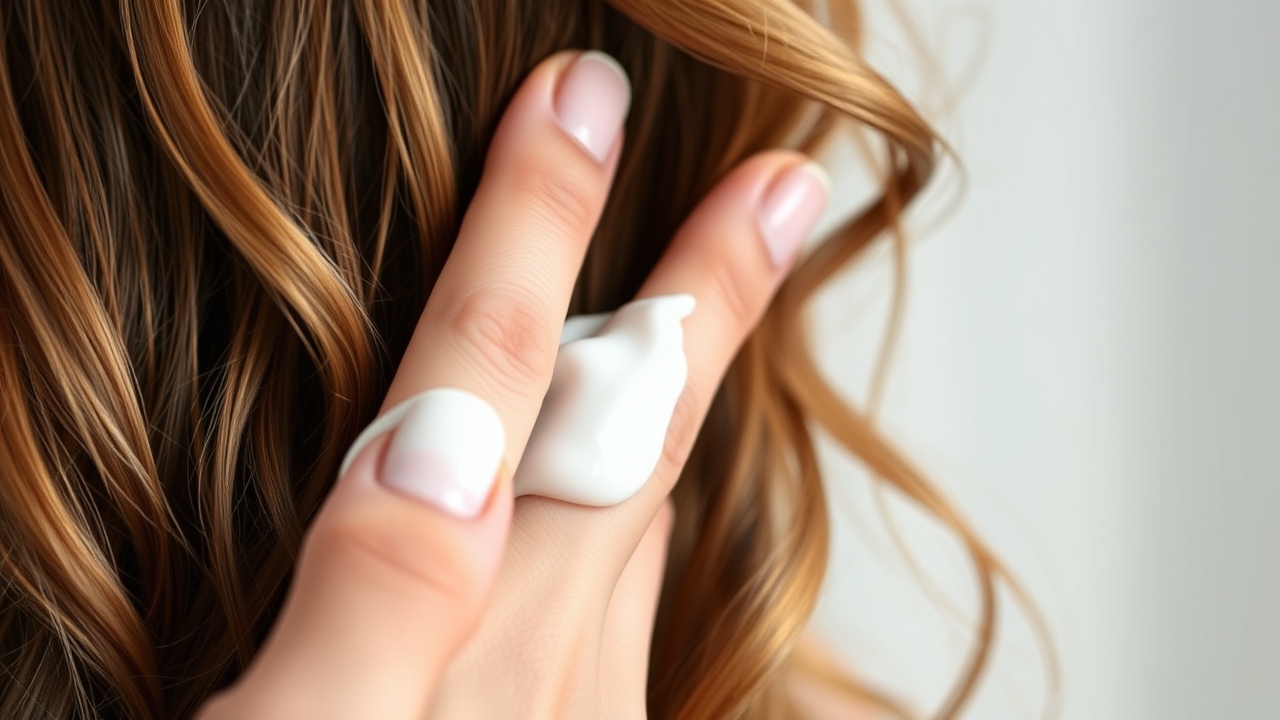
While hair is still damp, apply a leave‑in conditioner or smoothing cream. Focus on mid‑lengths to ends, where dryness is most pronounced. Use a wide‑tooth comb to distribute evenly, ensuring each strand receives a protective coat.
3. Blow‑Drying Method
If a blow‑dryer is essential, point the nozzle downward from roots to ends. Attach a concentrator nozzle to direct airflow precisely. Keep the dryer at a moderate temperature and distance to prevent heat damage.
4. Air‑Dry Alternative
For those who prefer natural drying, apply a light, silicone‑based smoothing cream to very wet hair. Avoid touching the hair while it dries; each touch can lift the cuticle and invite frizz.
Advanced Techniques for Different Hair Types
Frizz manifests differently across textures. Tailor your routine to your hair’s unique needs.
Curly & Coily Hair
Frizz in curls often signals a lack of definition. Use a curl‑defining gel or a heavy cream to clump strands together. The “crunch” method—applying product from ends to roots—helps lock in moisture and maintain the curl pattern.
Fine & Straight Hair
Fine strands are prone to weighing down. Choose lightweight, water‑based serums that provide slip without buildup. A volumizing mousse can add body while keeping the cuticle flat.
Thick & Coarse Hair
Thick hair benefits from richer, oil‑based products. A small amount of argan or jojoba oil applied to ends can tame frizz without making the hair look greasy.
Common Mistakes to Avoid
- Over‑brushing dry hair: Brushing dry hair shatters the cuticle and creates a frizz halo. Only brush when hair is wet and detangled.
- Heat without protection: A flat iron or curling wand without a heat protectant damages keratin, leading to permanent frizz. Always spray a heat shield before styling.
- Neglecting the scalp: A dry scalp can cause hair to pull moisture from the environment. Use a lightweight scalp serum or oil to keep the skin hydrated.
- Relying on too many products: Layering too many heavy creams can lead to buildup, which actually attracts moisture and triggers frizz.
- Ignoring humidity: Even the best routine can falter in high humidity. Use an anti‑humectant spray to create a moisture barrier.
For a deeper dive into hair structure and how it reacts to environmental stressors, check out the detailed scientific explanation on Wikipedia.
Maintenance and Longevity
Keeping frizz at bay isn’t a one‑day fix; it’s a nightly ritual. Two simple habits can make a world of difference.
Silk Pillowcase Secret
Cotton pillowcases absorb moisture and create friction, which can frizz even the most well‑styled hair. Switching to a silk or satin pillowcase allows hair to glide, reducing friction and preserving the smooth finish.
The Pineapple Method
For curls or waves, gather hair into a loose, high ponytail at the top of the head using a silk scrunchie. This “pineapple” keeps the hair from flattening and protects the cuticle overnight.
Summary of the Smooth Finish Routine
To master how to style frizzy hair, follow this sequence:
- Wash with lukewarm water and sulfate‑free shampoo.
- Condition deeply and rinse with cool water.
- Gently squeeze out moisture with a microfiber towel.
- Apply leave‑in or smoothing product to damp hair, focusing on ends.
- Blow‑dry downwards or air‑dry with a light cream.
- Finish with a heat protectant if using heat tools.
- Protect at night with a silk pillowcase or pineapple method.
Following these steps doesn’t just mask frizz—it restores the hair’s natural balance and gives you a polished look that stands the test of time.
Looking for more tailored advice? Explore our other guides at https://hairdresserwoman.com for expert tips on cutting, coloring, and maintaining every hair type.
Frequently Asked Questions
How to style frizzy hair without using heat?
Start with a hydrating leave‑in cream applied to very wet hair. Use a wide‑tooth comb to distribute the product, then let the hair air‑dry. Wrap the hair in a silk scarf or use a microfiber towel to minimize friction while it dries.
What are the best ingredients to tame frizz?
Seek a blend of humectants—like glycerin or honey—to draw moisture in, and emollients—such as shea butter, argan oil, or jojoba oil—to seal the cuticle. For fine hair, opt for lighter oils like grapeseed or almond oil to avoid weighing down the strands.
Why does my hair get frizzy even after using products?
Common culprits include product mismatch, buildup, or internal dehydration. Heavy creams on fine hair can leave a greasy film; excess products can clog the cuticle, forcing moisture in. A clarifying shampoo and a lighter leave‑in can resolve most issues.
Can humidity always be defeated?
While you can’t control the weather, you can control how your hair reacts. Anti‑humectant sprays and silicone‑based sealants create a barrier that limits moisture absorption, keeping hair sleek even in humid conditions.
How often should I deep condition to prevent frizz?
For most hair types, a weekly deep conditioning treatment is adequate. Color‑treated or highly porous hair may benefit from a bi‑weekly or even tri‑weekly session, depending on how quickly moisture is lost.
Leave a Reply