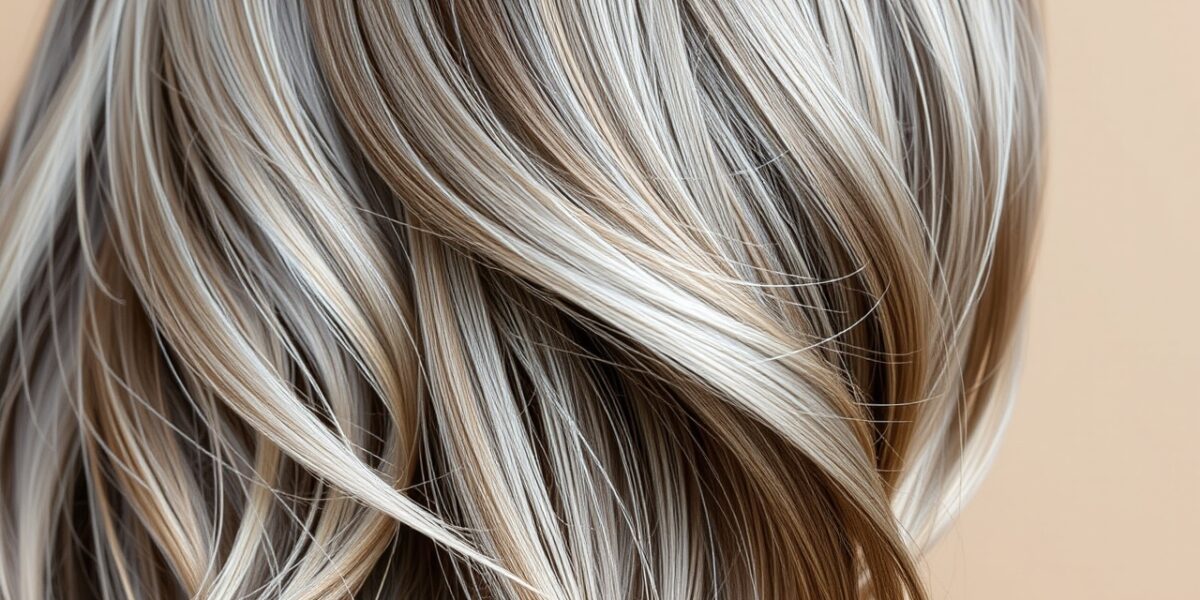
Blending gray hair isn’t a quick fix—it’s a deliberate, layered approach that lets your natural silver emerge without the stark regrowth line. Rather than covering every strand, we weave the old and the new together, creating a gradient that feels effortless and polished.
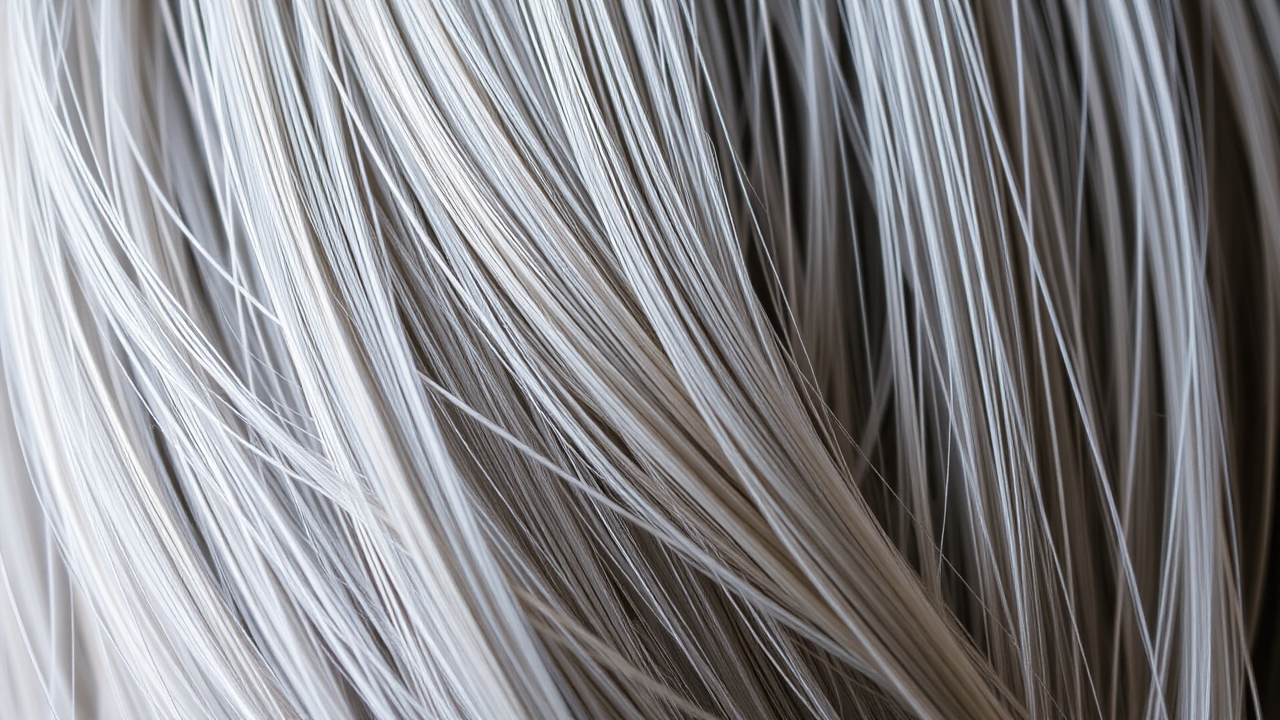
Why Blending Beats Full Coverage
When most people think of gray coverage, the first image that pops up is a single, heavy color that masks every silver strand. That approach can make hair look flat and lifeless, especially when the texture of gray—often coarser or more wiry—doesn’t absorb pigment the same way pigmented hair does. By blending, you honor the hair’s natural transition, making the change less obvious and more harmonious.
The Texture Shift Behind Gray Hair
As melanin production slows, the hair follicle’s structure changes. According to Wikipedia, melanin is the pigment responsible for hair color. When it fades, the shaft becomes more porous, so gray strands absorb dye differently than pigmented ones. That’s why a one‑size‑fits‑all dye often fails—gray takes pigment unevenly, leading to patchy results.


Professional Strategies for a Seamless Blend
Your starting point—whether it’s a few silver tips or half your hair in gray—determines the best approach. Below are three core techniques, each with concrete steps and product suggestions.
1. Lowlights for a Salt‑and‑Pepper Effect
Instead of darkening the entire head, lowlights introduce deeper tones that frame the natural silver. The result feels intentional, not accidental.
- Deep Ash Brown Lowlights: For brunettes, choose a cool ash brown that counters brassy undertones. Brands like L’Oréal Paris Colourista offer a 10‑level ash brown that blends seamlessly.
- Dark Sandy Lowlights: For blondes, a dark sandy brown adds depth without overpowering the silver. Try Redken Color Intensity 11.
- Placement Strategy: Focus lowlights near the nape, around the face, and at the mid‑lengths. This creates a natural shadow line that softens the regrowth.
2. Balayage and Highlights as the “Bright” Side
When gray is abundant, treat it as the highlight rather than the base. Hand‑painting color with a balayage technique ensures the transition from pigmented hair to silver is gradual, avoiding a horizontal line.
Procedure:
- Sectioning: Divide the hair into four zones—top, middle, bottom, and fringe.
- Color Selection: Use a demi‑permanent toner that matches the natural silver (e.g., Schwarzkopf IGI Glossy 2 in “Silver”).
- Application: Start at the roots, blending outward. The color should be lighter at the top and gradually darken toward the ends.
- Drying: Let the toner set for 20–30 minutes, then rinse with cool water.
3. Semi‑Permanent Glosses for Low Commitment
Glosses are ideal for those who want a subtle touch without the permanence of a full dye. They lightly coat gray strands, reducing brightness and adding a subtle sheen.
Recommended products:
- Schwarzkopf IGI Glossy 2 “Silver” – a 10‑minute gloss that gives a natural shine.
- Joico Color Intensity “Silver” Gloss – perfect for fine hair; it offers a subtle lift.
Beyond Color: Caring for Your Gray Hair
Gray hair lacks the natural oils that pigmented hair produces, making it more prone to dryness and frizz. A robust care routine can transform wiry strands into silky, manageable locks.
Moisture‑Rich Treatments
- Weekly Deep Conditioning: Use Olaplex Hair Perfector No. 3 or Moroccanoil Intense Hydrating Mask for 20 minutes.
- Leave‑In Conditioner: Apply Living Proof No Frizz Leave‑In Conditioner after washing.
- Silk Pillowcases: Reduce friction at night, preventing tangles and breakage.
Cool Water Rinses
Hot water opens the cuticle, making hair more porous and prone to frizz. Rinse with cool water to seal the cuticle and lock in moisture.
Planning Your Blending Session: A Step‑by‑Step Blueprint
Whether you’re heading to a salon or experimenting at home, a clear plan ensures the best outcome.
Step 1: Assess Your Gray Ratio
Stand in natural light and estimate the percentage of gray. A 10% gray load can be handled with a few lowlights, while 70% may require a full balayage or a mix of lowlights and glosses.
Step 2: Identify Your Undertone
Cool undertones pair beautifully with silver; avoid warm golds that clash. Warm undertones work best with honey or caramel tones that complement the silver.
Step 3: Choose Your Method
Decide between coverage (more pigment) or blending (dimension). For ongoing maintenance, see our guide on professional hair care routines.
Common Pitfalls and How to Avoid Them
These errors are frequent in salons but simple to sidestep.
- Box Dye Trap: Box dyes often contain high ammonia levels, which can make gray hair porous and dull. Stick to salon‑grade products.
- Root Neglect: A solid block at the scalp creates a visible line. Always blend roots with the mid‑lengths.
- Shine Neglect: Gray can appear matte. Use a clear gloss or lightweight oil to add luster.
The Emotional Journey of Embracing Gray
Hair is a reflection of identity. Transitioning from a vibrant hue to silver can feel like losing a part of yourself. Instead, view it as gaining a sophisticated, timeless palette. When you master how to blend gray hair, you’re not hiding—it’s a curated evolution.
Advanced Color Theory for the Savvy Blender
Gray isn’t a single shade; it’s a spectrum of silver, ash, pearl, and occasional yellow. Understanding this spectrum allows for precise toning.
Toning Techniques
Use a demi‑permanent toner to neutralize unwanted warmth. For yellowish gray, a violet‑based toner like Garnier Color Naturals “Violet” Toner will cleanse the warmth and reveal a crisp silver.
When lowlighting, choose colors that counter the gray’s undertone. A cool ash brown for a silver base, or a muted burgundy for a warm gray, ensures the blend feels natural.
Quick Reference: Blending Strategies Table
| Goal | Best Technique | Maintenance Level |
|---|---|---|
| Seamless Transition | Balayage / Highlights | Low |
| Depth and Dimension | Lowlights for Gray | Medium |
| Total Transformation | Gray Coverage (Permanent) | High |
| Subtle Softening | Color Glosses | Low |
Frequently Asked Questions
How do I blend gray hair without it looking patchy?
Patchiness often stems from using a single, heavy color. Instead, opt for multi‑tonal techniques like balayage or micro‑highlights. These methods distribute color evenly, so as new gray grows, it blends naturally into the existing shades.
Can I use regular hair dye to blend my grays?
Regular permanent dyes are designed to cover, not integrate. They’ll often create a stark line at the roots. For a seamless blend, choose semi‑permanent dyes or demi‑permanent glosses that sit lightly on the shaft.
How often do I need salon visits if I am blending?
Blending extends the interval between appointments. While full coverage may require a visit every 4–6 weeks, a blended approach can last 12–16 weeks before a touch‑up is needed.
Will blending make my hair look older?
Contrary to common belief, blending adds softness and dimension that can actually look younger. A sharp, heavy color can look harsh, whereas a blended, dimensional look frames the face and adds subtle depth.
What is the best way to maintain gray hair color at home?
Prioritize moisture and protection. Use sulfate‑free shampoos to preserve color, and apply a purple shampoo sparingly to keep silver tones from turning brassy or yellow. Finish with a lightweight gloss for shine.
Leave a Reply