Scalp care routine for healthy hair starts with understanding the foundation of a flourishing mane. The scalp is more than just a base; it’s the living ecosystem that determines the health, texture, and growth of your hair. By treating it with the same respect you give your skin, you set the stage for longer, stronger, and shinier strands. Just as a gardener ensures the soil is nutrient-rich and free of weeds to grow vibrant flowers, a hair care enthusiast must ensure the scalp is balanced, clean, and hydrated to promote optimal hair follicle function.
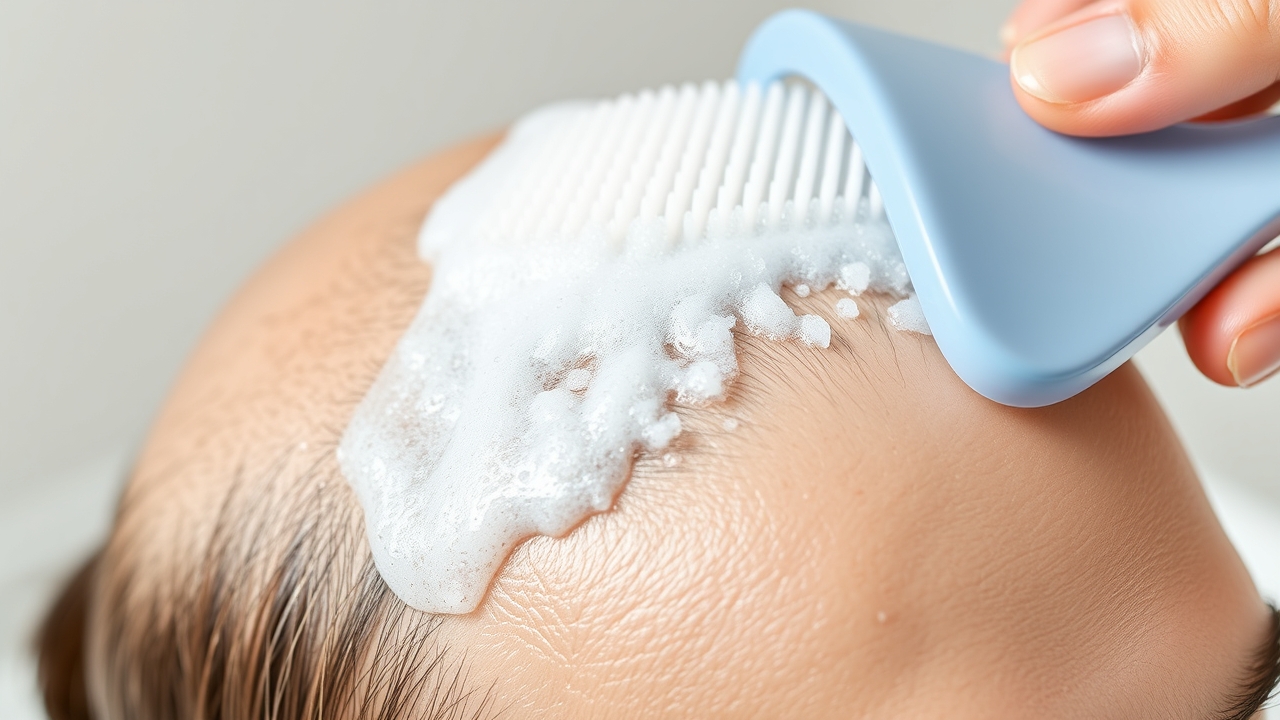
Many people focus exclusively on the hair shaft—applying oils, masks, and heat protectants to the ends—while completely neglecting the skin at the root. This oversight can lead to issues like excessive oiliness, dandruff, or even thinning. If you want to transform your hair from dull and brittle to radiant and thick, you must start at the source. This guide will walk you through the science of scalp health and provide a comprehensive, step-by-step routine tailored to your specific needs.
Scalp care routine for healthy hair: The Core Principles
Every effective routine hinges on three pillars: cleansing, nourishment, and protection. Think solely about the hair shaft and you’ll miss the fact that a clogged or irritated scalp can stunt growth, cause breakage, and even lead to hair loss. A healthy scalp should be flexible, hydrated, and free of excessive buildup or inflammation. Learn more about scalp anatomy on Scalp.


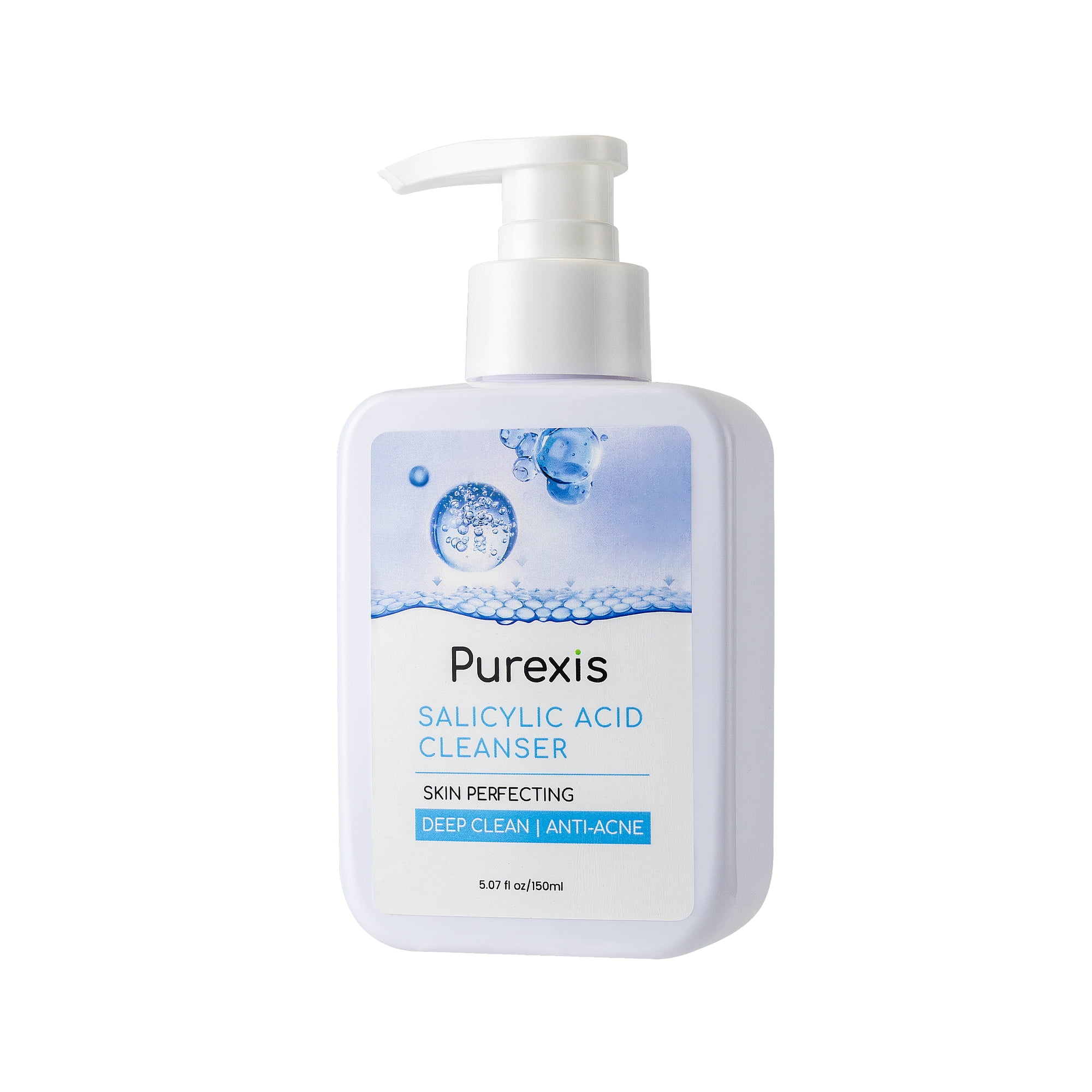
1. Cleansing – Removing the Invisible Accumulation
A clean scalp is the first step toward healthy hair. Over time, sebum (your skin’s natural oil), sweat, environmental pollution, and styling products build up on the skin, forming a barrier that blocks oxygen and nutrients from reaching the hair follicles. This buildup can lead to ‘follicle clogging,’ which can contribute to hair thinning over time.
The Golden Rules of Cleansing:
- Temperature Matters: Never use hot water. Hot water strips the scalp of essential lipids, leading to dryness and compensatory oil production (where your scalp overproduces oil to make up for what was lost). Opt for lukewarm water.
- Sulfate-Free is Key: While sulfates are effective at removing grease, they are often too harsh for a sensitive scalp. Look for sulfate-free shampoos that use milder surfactants like decyl glucoside.
- The Double Wash Method: If you use a lot of styling products (hairspray, dry shampoo, or gels), consider a double wash. The first wash breaks down the heavy products, and the second wash actually cleanses the skin.
- Focus on the Skin, Not the Ends: When shampooing, concentrate your movements on the scalp. The suds that run down the hair shaft during rinsing are enough to clean the rest of your hair without drying out the ends.
2. Scalp Exfoliation – The Secret to Deep Renewal
Just as you exfoliate your face to prevent breakouts and promote cell turnover, your scalp requires periodic exfoliation. Dead skin cells can accumulate, leading to flakes that look like dandruff but are actually just skin buildup. This process is vital for ensuring that the hair follicle remains unobstructed.
Physical vs. Chemical Exfoliation
There are two primary ways to exfoliate your scalp. Choosing the right one depends on your scalp type:
Physical Exfoliation: This involves using granules or tools to manually lift away debris. Scalp scrubs containing sugar or salt are popular, as are silicone scalp massagers. These are excellent for those with heavy product buildup or those who want an immediate feeling of cleanliness. However, be careful not to scrub too aggressively, as this can cause micro-tears in the skin.
Chemical Exfoliation: This involves using AHAs (Alpha Hydroxy Acids) like lactic acid or BHAs (Beta Hydroxy Acids) like salicylic acid. Salicylic acid is particularly effective for those with oily scalps because it is oil-soluble, meaning it can penetrate deep into the pores to dissolve sebum. This is a gentler, more consistent way to maintain a clear scalp without the friction of physical scrubs.
Pro Tip: Limit exfoliation to once or twice a week. Over-exfoliating can lead to an irritated, inflamed scalp, which is counterproductive to hair health.
3. Nourishment – Hydration and Scalp Serums
A common mistake is thinking that ‘nourishment’ only applies to the hair ends. A dry scalp can lead to itching, flaking, and inflammation. However, the goal is to hydrate the skin without making it greasy.
The Rise of Scalp Serums
Scalp serums have become a staple in modern hair care. Unlike heavy oils, these are lightweight formulas designed to penetrate the skin. Look for ingredients such as:
- Hyaluronic Acid: To pull moisture into the scalp skin.
- Niacinamide: To regulate oil production and strengthen the skin barrier.
- Peptides: To support the hair follicle and promote a healthy environment for growth.
- Caffeine: Often used in stimulating scalp treatments to increase microcirculation.
Apply these serums to a clean, damp scalp after washing and massage them in thoroughly. This ensures the active ingredients are delivered directly to the source.
Addressing Common Issues: Itchy Scalp and Dandruff
An itchy scalp is a signal from your body that something is out of balance. It is often caused by one of three things: dryness, fungal overgrowth (dandruff), or product sensitivity.
Dandruff vs. Dry Scalp: How to Tell the Difference
It is easy to confuse dandruff with a dry scalp, but the treatments are very different. If you have dry scalp, your flakes will be small, white, and dry. The solution is more hydration and less frequent washing. If you have dandruff, the flakes are usually larger, yellowish, and feel slightly oily. This is often caused by a yeast-like fungus called Malassezia. For dandruff, you need medicated shampoos containing ingredients like ketoconazole, zinc pyrithione, or selenium sulfide.
If your scalp is itchy and red, you may be experiencing contact dermatitis—a reaction to a specific ingredient in your hair care products. If this persists, consult a dermatologist.
The Ultimate Scalp Care Routine: Step-by-Step Guide
Ready to implement this into your life? Follow this structured approach to ensure you cover all the bases without overwhelming your hair.
- Step 1: Pre-Wash Scalp Oil (Optional): Once a week, apply a lightweight oil (like jojoba or rosemary oil) to your scalp 20 minutes before showering. This helps loosen buildup and protects the skin from harsh surfactants.
- Step 2: The Double Cleanse: Use a gentle, sulfate-free shampoo. Massage thoroughly with your fingertips (not nails!) for at least 2 minutes. Rinse with lukewarm water. Repeat once more if necessary.
- Step 3: Exfoliate (Weekly): Once a week, swap your regular shampoo for a scalp scrub or use a chemical exfoliant treatment.
- Step 4: Condition the Ends: Apply conditioner from mid-length to ends. Avoid the scalp entirely to prevent weighing down the hair and clogging pores.
- Step 5: Scalp Treatment/Serum: On a damp scalp, apply your chosen scalp serum or lightweight hydrating tonic.
- Step 6: Gentle Drying: Avoid high heat. Use a microfiber towel to blot the hair and use a blow dryer on the ‘cool’ or ‘low’ setting if necessary.
Lifestyle Factors: The Internal Connection
You can have the best topical routine in the world, but if your internal health is lacking, your scalp will show it. Hair follicles are highly sensitive to nutritional changes.
- Diet: Ensure you are getting enough protein (the building block of hair), Biotin, Zinc, and Omega-3 fatty acids. Healthy fats found in salmon, walnuts, and flaxseeds are essential for a hydrated scalp.
- Stress Management: High cortisol levels can trigger inflammation and can even lead to a condition called telogen effluvium, where hair enters the shedding phase prematurely.
- Sleep: During sleep, your body undergoes cellular repair. This includes the skin on your scalp.
- Hydration: Drinking enough water is crucial for maintaining the moisture levels of your skin and scalp.
Frequently Asked Questions
How often should I exfoliate my scalp?
For most hair types, once a week is sufficient. If you have an extremely oily scalp or use heavy styling products daily, you might increase this to twice a week. Over-exfoliating can lead to irritation.
h3 id=”faq-2″>Can scalp oil cause acne or breakouts?
Yes, if the oil is too heavy or if it isn’t washed off properly. If you are prone to breakouts, stick to non-comedogenic oils like jojoba or squalane, and ensure you are double-cleansing to remove any residue.
Does scalp massage actually help hair growth?
While scientific evidence is still evolving, there is significant evidence that mechanical stimulation (massage) increases blood circulation to the hair follicles. Improved blood flow means more nutrients and oxygen reach the follicle, which can support healthy growth cycles.
Why is my scalp oily even after washing?
This is often a sign of ‘eactive seborrhea.’ If you strip your scalp of its natural oils using harsh sulfates or very hot water, your scalp will overcompensate by producing even more oil. Switch to a gentler cleanser and lukewarm water.
Is dry shampoo bad for my scalp?
Dry shampoo isn’t inherently bad, but it is a major contributor to buildup. If you use it daily, you must be extra diligent about your cleansing routine to ensure the powders don’t clog your pores and cause irritation.
In conclusion, a successful scalp care routine for healthy hair is about consistency and listening to your skin. By balancing cleansing, exfoliation, and nourishment, you create the perfect environment for hair to thrive. Treat your scalp like the skin it is, and your hair will reward you with unmatched vitality.
Leave a Reply