how to stop hair breakage begins with understanding what makes strands fragile and how daily habits affect them.
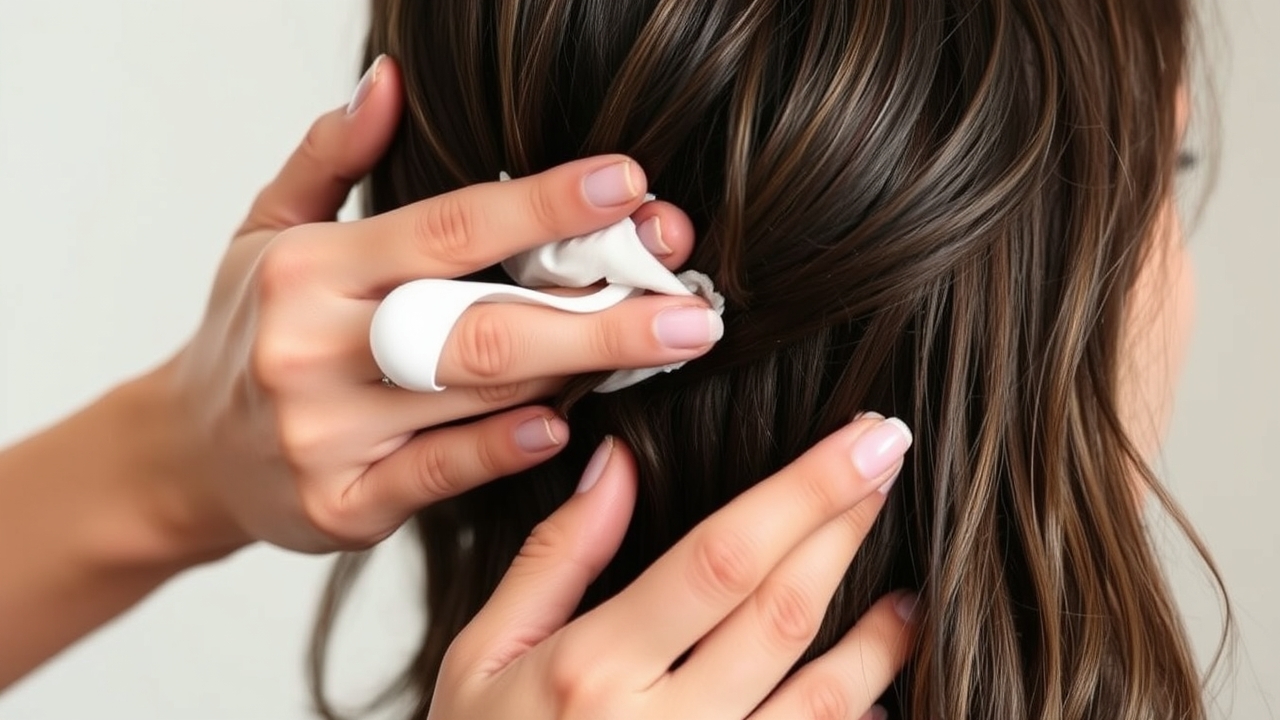
Understanding hair structure and why it breaks
Each hair strand is made of a protein called keratin, protected by an outer layer known as the cuticle. When the cuticle lifts or becomes damaged, the inner cortex is exposed to moisture loss and mechanical stress, which can lead to splitting and snapping. Factors such as excessive heat, harsh chemicals, and rough handling weaken this protective barrier. Learning about the basic anatomy helps you see why gentle care matters. For a deeper look at hair composition, you can read about hair structure on Wikipedia, which explains the layers and growth cycle in detail.
Common causes of hair breakage
Breakage rarely stems from a single source. Everyday actions like vigorous towel drying, brushing wet hair with a stiff brush, or sleeping on cotton pillowcases create friction that frays the cuticle. Heat styling tools, when used without a protectant, can dehydrate the cortex, making it brittle. Chemical processes such as coloring, relaxing, or perming alter the protein bonds and may leave hair more prone to breakage if not followed by proper conditioning. Environmental stressors, including UV exposure and pollution, also contribute to cumulative damage over time.


how to stop hair breakage: core principles
To stop hair breakage, focus on three interconnected goals: minimizing physical stress, maintaining moisture balance, and supporting the hair’s protein integrity. When these pillars are addressed consistently, the cuticle stays smooth, the cortex remains strong, and snapping diminishes. The following sections break down each goal into actionable steps you can incorporate into your routine.
prevent breakage with gentle washing
Start with a sulfate‑free cleanser that removes dirt without stripping natural oils. Use lukewarm water, as hot water can lift the cuticle and increase vulnerability. Apply the shampoo mainly to the scalp, letting the suds run down the lengths rather than piling product on the ends. After rinsing, follow with a conditioner that contains slip‑enhancing ingredients; this helps detangle while coating the shaft. Leave the conditioner on for a minute or two before rinsing with cool water to help seal the cuticle.
reduce hair snapping by limiting heat
Heat styling is a major contributor to breakage because it temporarily disrupts hydrogen bonds in the keratin. If you must use a blow dryer, flat iron, or curling wand, always apply a heat‑protectant product first and keep the temperature below 180 °C (350 °F). Limit heat sessions to no more than two times per week and allow your hair to air‑dry whenever possible. When using a dryer, hold it at least 15 cm away from the hair and move it continuously to avoid concentrating heat on one spot.
strengthen hair through moisture and protein
Hair needs both water and protein to stay resilient. A weekly deep‑conditioning treatment that includes humectants such as glycerin or panthenol draws moisture into the cortex. Follow this with a protein‑rich mask containing hydrolyzed keratin or silk amino acids to temporarily reinforce weakened areas. Avoid over‑using protein treatments; once every two weeks is sufficient for most hair types, as excess protein can make strands feel stiff and prone to snapping.
breakage fix: nighttime protection
While you sleep, friction between hair and pillowcase can cause micro‑tears in the cuticle. Switch to a satin or silk pillowcase, or wrap your hair in a loose silk scarf to reduce abrasion. Additionally, braid or twist your hair loosely before bed to prevent tangling. These simple changes keep the cuticle aligned and help retain moisture overnight, contributing to a noticeable reduction in breakage over time.
Daily habits that support strong strands
Beyond washing and styling, small daily choices add up. Use a wide‑tooth comb or a detangling brush, starting at the ends and working upward to avoid pulling knots tight. When drying hair, gently squeeze excess water with a microfiber towel or an old cotton t‑shirt instead of rubbing. Avoid tight hairstyles that place constant tension on the follicles; opt for loose ponytails or braids and change the placement frequently. Finally, refrain from touching or twirling your hair throughout the day, as this transfers oils and creates unnecessary mechanical stress.
brushing techniques to prevent breakage
Choose a brush with flexible bristles or a seamless comb. Begin detangling at the tip of each strand, using short, gentle strokes. If you encounter a knot, hold the hair above the tangle to minimize pulling on the root. For curly or coily textures, consider finger‑detangling first to separate large clumps before using a tool. This method reduces the chance of snapping the hair shaft.
towel drying without causing snapping
Traditional terry cloth towels have a rough surface that can lift the cuticle. Instead, blot hair with a soft microfiber towel or a clean cotton t‑shirt, pressing rather than rubbing. If you prefer a towel, choose one with a low‑pile finish and pat the hair dry. This approach removes excess water while keeping the cuticle smooth, lowering the risk of mechanical breakage.
protective styling for night
Loose braids, twists, or a low bun secured with a soft scrunchie keep hair contained without creating tension. Avoid rubber bands or metal clasps that can snag and break strands. If you have longer hair, consider a loose pineapple style on top of the head, which keeps the curls or waves from being crushed against the pillow. These styles preserve the cuticle’s integrity and help maintain moisture levels throughout the night.
Choosing the Right Products for Your Hair Type
Not every product works for every texture. Here’s a quick guide to align your routine with your specific needs:
- Fine or limp hair: Look for lightweight, volumizing formulas that add body without weighing strands down. Sulfate‑free shampoos with panthenol and glycerin help maintain moisture while preventing oiliness.
- Thick or coarse hair: Heavy creams and oils (argan, coconut, shea) provide the extra hydration and slip needed to tame frizz. Protein treatments can be used more frequently (once a week) to reinforce the dense cortex.
- Curly or coily hair: Emphasize leave‑in conditioners and curl creams that lock in moisture. Avoid rinse‑out products that strip natural oils; instead, use a “no‑rinse” method for the final rinse.
- Color‑treated hair: Use sulfate‑free, color‑protective shampoos that preserve pigment. Incorporate a weekly deep conditioner with antioxidants (vitamin E, green tea) to counteract oxidative damage.
Scalp Health: The Foundation of Strong Hair
A healthy scalp supplies nutrients and a smooth surface for hair growth. Common scalp issues—dandruff, psoriasis, seborrheic dermatitis—can cause inflammation that weakens follicles and accelerates breakage. Daily scalp massages with a lightweight oil (jojoba, almond) increase blood flow, delivering oxygen and minerals that strengthen the hair shaft from within. If you notice persistent itching or flaking, consider a medicated shampoo (zinc pyrithione, ketoconazole) and consult a dermatologist before switching products.
DIY Remedies and Natural Ingredients
When you want to avoid harsh chemicals, homemade masks can be surprisingly effective. Below are three recipes that target moisture, protein, and scalp health:
- Avocado & honey mask (moisture): Mash one ripe avocado with one tablespoon of honey and one tablespoon of olive oil. Apply to damp hair, leave for 20 minutes, then rinse. Avocado is rich in fatty acids; honey is a natural humectant.
- Egg & yogurt protein mask (protein): Whisk one egg with two tablespoons of plain yogurt. Coat hair and leave for 15 minutes before rinsing. The egg’s albumin and the yogurt’s lactic acid help rebuild keratin.
- Coconut oil scalp scrub (scalp health): Mix a tablespoon of coconut oil with a teaspoon of coffee grounds. Massage into scalp for 5 minutes, rinse with lukewarm water. The oil moisturizes while coffee grounds gently exfoliate buildup.
Tools and Accessories That Reduce Breakage
Choosing the right tools can make a huge difference:
- Microfiber towels: Replace terry cloth towels with microfiber to reduce friction.
- Wide‑tooth combs: Ideal for detangling wet hair; fewer teeth mean less tugging.
- Silk or satin scrunchies: Soft elastic that prevents creases and breakage.
- Heat‑protectant sprays: A thin layer applied before styling protects the cortex.
- Low‑heat hair dryers: Some models allow you to set the temperature as low as 120 °F (49 °C).
Common Myths About Hair Breakage
1. “Cutting hair stops breakage.” While trimming removes split ends, it doesn’t prevent new breakage. Focus on strengthening the shaft first.
2. “All heat is bad.” Controlled, low‑heat styling with a protectant can be safe. The key is temperature and frequency.
3. “Protein treatments are always good.” Over‑loading hair with protein can create stiffness. Balance protein with moisture.
4. “Silk pillowcases are a cure-all.” They reduce friction but don’t address chemical or environmental damage.
Monitoring Progress and Adjusting Your Routine
Track breakage by noting how many strands fall out during washing or brushing. Keep a small journal: record the product used, the time of day, and any noticeable changes. If breakage persists after three months, reassess one variable at a time—switch a shampoo, add a mask, or reduce heat usage. Small, incremental changes make it easier to pinpoint what works for you.
Frequently Asked Questions
1. How often should I use a protein treatment?
Most people benefit from a protein mask once every two weeks. If your hair feels stiff or brittle after a treatment, skip the next one and focus on moisture instead.
2. Can I use a regular towel if I’m in a hurry?
It’s better to blot with a microfiber or cotton t‑shirt. If you must use a terry cloth towel, pat gently and avoid rubbing.
3. Is it safe to leave a heat protectant on my hair overnight?
Yes, many protectants contain silicone or natural oils that help seal moisture. Just ensure the product is safe for long‑term use and doesn’t build up on the scalp.
4. How do I know if I’m over‑conditioning my hair?
Over‑conditioning can leave hair feeling greasy, limp, or “heavy.” If you notice these signs, reduce the amount of conditioner or switch to a lighter formula.
5. What’s the best way to protect my hair during travel?
Pack a small microfiber towel, a travel‑size leave‑in conditioner, and a silk scrunchie. Style your hair in a loose braid before bed and avoid heat tools if possible.
By consistently applying these strategies—gentle cleansing, mindful heat use, balanced moisture and protein, protective nighttime habits, supportive nutrition, and the right tools—you can effectively stop hair breakage and enjoy stronger, more resilient strands.
Leave a Reply