
low maintenance haircuts are the secret weapon for women who juggle careers, family, and personal time without wanting to spend hours at the mirror. In a world that demands constant productivity, your morning hair routine shouldn’t be a second job. Whether you are a high-powered executive, a busy parent, or a student on the move, finding a style that works with your natural texture rather than against it is the ultimate beauty hack.
Why low maintenance haircuts work for busy lifestyles
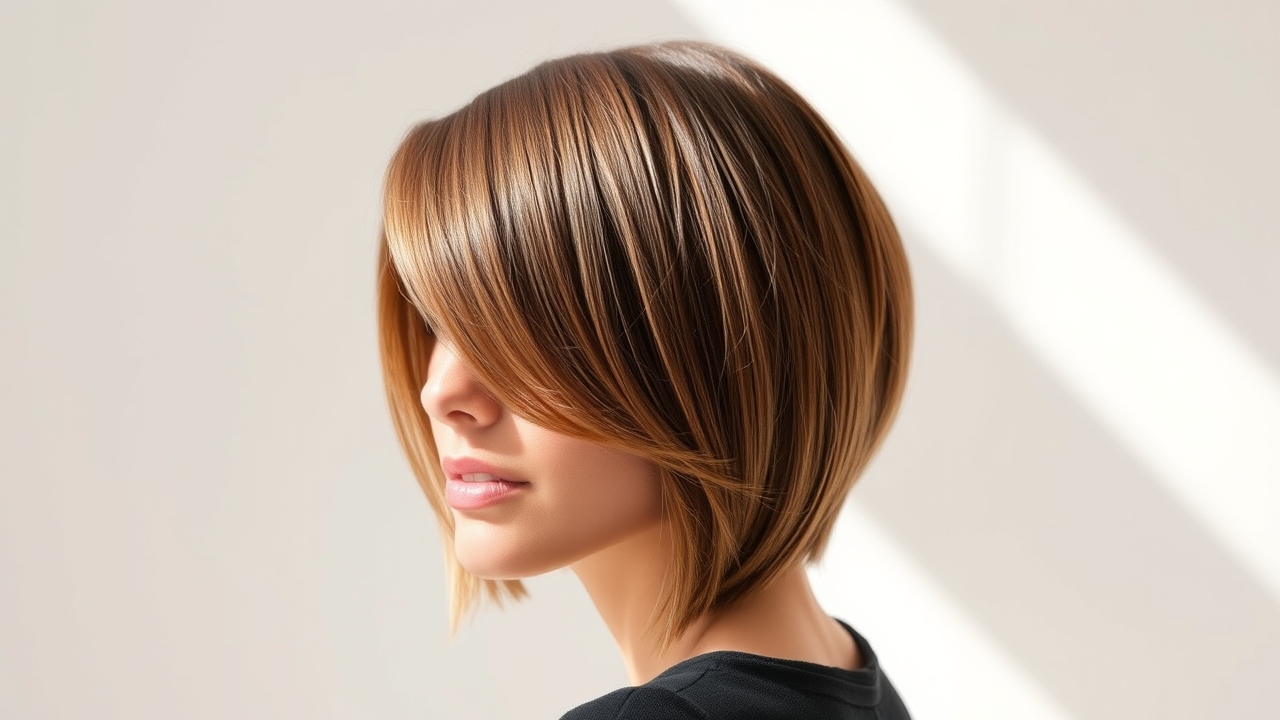
When your calendar is packed, the last thing you need is a hairstyle that demands daily blow‑drying, curling, or extensive product layering. A low maintenance haircut gives you a polished look right after you step out of the shower, letting you focus on what matters most. I’ve found that a cut that grows out gracefully and needs only a quick finger‑comb or a light spray of texturizing spray keeps me feeling put‑together even on the busiest mornings.
Beyond the time saved, there is a psychological benefit to a low-effort style. There is a specific kind of confidence that comes from knowing you can roll out of bed, wash your hair, and look intentional without reaching for a flat iron. It removes the ‘tyling anxiety’ that often occurs when a hair appointment is overdue or when the weather turns humid.


Core traits of a low maintenance haircut
Not every haircut qualifies as ‘low maintenance.’ To achieve true ease, a stylist must focus on several technical elements that ensure the hair remains aesthetically pleasing even as it grows. Look for these key indicators when sitting in the salon chair:
- Length that stays manageable as it grows—usually chin‑length or slightly longer. Shorter cuts often require more frequent trims to prevent them from looking ‘poofy’ as they grow.
- Layers that create movement without requiring constant styling. Strategic layering removes weight from thick hair or adds volume to fine hair, ensuring the shape holds itself without heavy products.
- Texture that works with your natural wave or curl, reducing the need for heat tools. A great cut should enhance what you already have.
- A shape that frames the face nicely, so you can skip heavy styling products. Face-framing pieces act as built-in contouring for your features.
These traits combine to give you a look that feels intentional, not neglected. When you choose a cut based on these pillars, you are investing in your future self—the version of you that has five minutes to get ready instead of forty.
Popular low maintenance haircut styles
Below are several cuts that consistently rank as easy care haircuts and wash and go styles. Choose the one that matches your hair type and personal aesthetic.
1. The blunt bob
A blunt bob that lands just above the shoulders offers a clean line that looks chic straight or with a slight wave. Because the ends are uniform, there’s no need to worry about uneven growth. This is a powerhouse style for fine hair, as the blunt edges create the illusion of thickness. A quick tousle with your fingers adds volume, and a light mist of sea‑salt spray enhances natural texture. If you prefer a more professional look, a quick pass with a round brush takes less than five minutes.
2. The layered lob
A long bob (lob) with soft, face‑framing layers gives movement while keeping length enough to tie back when needed. This is perhaps the most versatile of all low maintenance haircuts. The layers reduce bulk, so the cut doesn’t look heavy as it grows out. I often wear mine with a simple half‑up twist for a polished yet effortless vibe. It is the perfect ‘afety net’ style: if you hate it, it’s long enough to tie up; if you love it, it’s chic enough to wear down.
3. The shag cut
Modern shags feature choppy, textured layers throughout. This style embraces natural texture, making it a true wash and go option. Inspired by the 70s, the shag is designed to look slightly ‘essy,’ which is perfect for those who don’t want to fight their natural waves or curls. After washing, I scrunch the hair with a curl‑enhancing cream and let it air dry; the result is lively, lived‑in texture that needs zero heat. It is the ultimate choice for those with natural movement.
4. The pixie with longer fringe
If you prefer ultra‑short hair, a pixie cut with a slightly longer, side‑swept fringe can be styled in seconds. The longer fringe adds versatility—you can sweep it to the side, pin it back, or let it fall naturally. While pixies do require more frequent visits to the salon to maintain the shape, the daily styling time is virtually zero. Regular trims every four to six weeks keep the shape sharp without daily effort.
5. The curved undercut
An undercut where the lower sections are kept short while the top remains longer offers contrast and easy styling. The longer top can be brushed back, tucked behind the ears, or left loose for a casual look. Because the underneath is minimal, there’s less weight to manage as it grows. This is an excellent choice for women with extremely thick hair who struggle with excessive volume and heat.
Maintaining your low maintenance haircut
Even the easiest cut benefits from a simple routine. To ensure your style remains ‘effortless’ rather than ‘unkept,’ follow these professional maintenance tips:
- Wash frequency: Wash two to three times a week with a sulfate‑free shampoo that suits your scalp. Over-washing can strip natural oils, making low maintenance styles look frizzy rather than textured.
- Conditioning: Apply a lightweight conditioner to the mid‑lengths and ends; rinse thoroughly. Avoid the roots to prevent premature limpness.
- Detangling: After towel-drying, use a wide‑tooth comb to detangle—this prevents breakage and keeps layers smooth.
- Texture enhancement: For added texture, scrunch a dime‑size amount of mousse or sea‑salt spray into damp hair and let it air dry.
- The ‘Refresh’ method: Refresh between washes with a dry shampoo focused at the roots; this absorbs oil and adds much-needed volume.
- Regular Trims: Schedule a trim every six to eight weeks to keep the shape from drifting. Even a ‘low maintenance’ cut needs a structural check-up.
Styling tricks for wash and go styles
When you truly want a wash and go routine, consider these professional secrets to maximize your natural hair:
- Embrace your natural pattern: If your hair is wavy, let it dry in a loose braid for defined waves; if curly, use the ‘plopping’ method with a microfiber towel to prevent frizz.
- Controlled drying: Use a diffuser on low heat only if you need to speed up drying; otherwise, air drying preserves the cut’s shape and prevents heat damage.
- Product selection: Avoid heavy oils or serums that can weigh down layers; opt for light sprays instead. A heavy cream on a layered lob can quickly turn into a greasy mess.
- Nighttime protection: Sleep on a silk or satin pillowcase to reduce friction and maintain the style overnight. This is a game-changer for preventing morning tangles.
Choosing the right cut for your face shape and hair type
Not every low maintenance haircut suits every face. To ensure your new look is a success, use this guide to match your features:
- Round faces: Opt for length that elongates—think a layered lob or a longer bob with side‑swept bangs to create vertical lines.
- Square faces: Soft, textured layers around the jawline (like a shag) help soften angles and break up the harshness of a strong jaw.
- Oval faces: Most lengths work; a blunt bob or pixie with fringe highlights balanced proportions. You have the most flexibility.
- Heart faces: Width at the temples balances a narrower chin; try a chin‑length bob with wispy bangs to create volume where you need it most.
- Hair texture considerations: Fine hair benefits from internal layers that add volume; thick hair does well with blunt lines or deep undercuts that remove bulk.
Real‑life example: My low maintenance routine
I have medium‑thick, wavy hair that tends to frizz in humidity. After trying several high-maintenance styles, I settled on a layered lob that hits just above the collarbone. I wash twice a week, apply a light leave‑in conditioner, and scrunch in a sea‑salt spray while the hair is damp. I let it air dry, which usually takes about 45 minutes. On days I’m short on time, I simply shake out the hair and run my fingers through the waves—no brush, no heat. The cut grows out nicely; I only notice a slight loss of shape after about seven weeks, at which point I book a trim. This routine saves me roughly 20 minutes each morning compared to my previous blow‑dry and straighten habit. It has changed my entire morning mood.
Frequently asked questions
low maintenance haircuts: How often should I trim them?
Most low maintenance cuts retain their shape for six to eight weeks. If you notice the ends becoming uneven, split, or the style losing its intended silhouette (like a bob becoming too ‘triangular’), schedule a trim sooner. For very short pixies, you may need a trim every 4-5 weeks.
Can I still color my hair with a low maintenance cut?
Yes. Choosing a low maintenance haircut doesn’t restrict color options. However, for the ultimate low-effort experience, opt for low‑commitment techniques like balayage, ombre, or a subtle gloss. These techniques grow out gracefully, minimizing the harsh ‘line of regrowth’ that requires frequent salon visits.
What products should I avoid to keep the cut easy?
Steer clear of heavy pomades, waxes, or thick creams that can weigh down layers and make hair look greasy. These products often require a full wash to remove. Instead, look for lightweight mousses, sea‑salt sprays, and dry shampoos which provide texture without the weight.
Is a low maintenance haircut suitable for curly hair?
Absolutely. Curly hair often thrives with cuts that remove bulk and enhance the natural curl pattern, such as a shag or a layered lob using specialized techniques like a DevaCut. The key is to work with your curl pattern rather than fighting it with heat-intensive straightening tools.
How do I transition from a high‑maintenance style to a low maintenance one?
Start by consulting a stylist who understands your lifestyle. Bring photos of the desired cut, discuss your daily routine, and agree on a length that will grow out gracefully. During the transition, use styling products sparingly and embrace your hair’s natural texture as the new shape emerges. It may take a few weeks for your hair to ‘ettle’ into its new rhythm.
For further reading, see related references on Wikipedia.
Leave a Reply