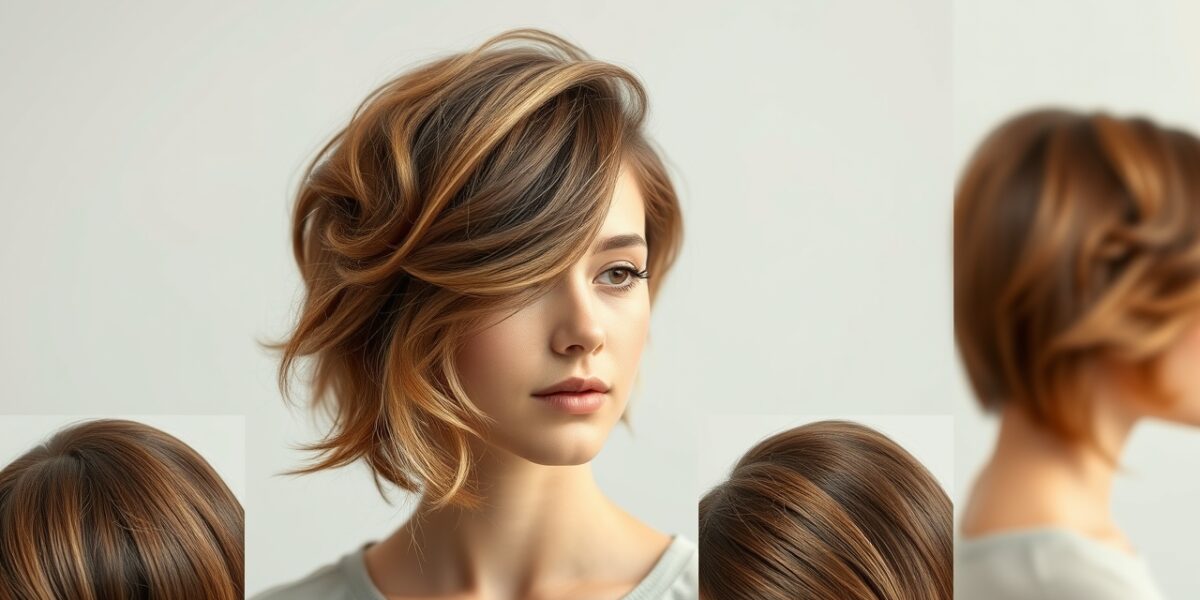
Hairstyles for round faces that flatter require careful consideration of facial proportions and hair texture. A round face often benefits from styles that create the illusion of length or add angularity to balance soft features. Whether you prefer short, medium, or long hair, the key is to choose cuts that complement your face shape rather than compete with it. Let’s explore how to achieve this harmony through strategic styling and haircuts.
Understanding Your Face Shape: The Foundation of Flattering Hairstyles
Before selecting a hairstyle, it’s essential to accurately identify your face shape. A round face typically has a circular jawline and cheekbones of similar width, creating a balanced but potentially monotonous appearance. The goal of hairstyles for round faces that flatter is to introduce visual interest by elongating the face or adding structure. For example, a side part can create a vertical line that draws the eye upward, while layered cuts add depth to the hair’s movement.
Why Face Shape Matters in Hair Styling
Hairstyles for round faces that flatter aren’t one-size-fits-all. Your face shape dictates how different cuts and colors will interact with your features. Round faces may appear larger if styled without direction, so techniques like strategic parting or textured layers can redirect attention. This approach ensures that your hairstyle enhances, rather than overwhelms, your natural proportions.


Choosing the Right Length for Your Round Face
Length plays a pivotal role in how a cut will affect the perception of your face. While short styles can instantly add height, medium and long cuts can be tailored to create a slimming effect when layered correctly. The key is to balance the volume at the crown with length at the jawline to avoid adding width.
Short vs. Medium vs. Long: What Works Best?
Short haircuts, such as pixies or short bobs, are ideal for those who want to emphasize the forehead and cheekbones. Medium-length styles, like a shoulder-length bob, provide a versatile canvas for layers that can be styled to create a subtle tilt. Long hair, when layered and angled, can create a dramatic illusion of length, especially when paired with a high ponytail or loose waves.
Best Hair Types for Round Faces
The best hair for round face types often involves textures that add volume or movement. Straight hair can be styled with waves or curls to create dimension, while curly hair may benefit from straightening techniques to elongate the face. For instance, a loose wave treatment can soften the roundness, whereas a sleek straight cut might emphasize angularity. The key is to play with contrasts in texture and direction.
Short Hairstyles for Round Faces
Short haircuts for round faces offer a bold solution to balance facial roundness. A pixie cut with textured layers can add height, while a bob with a deep side part creates a slimming effect. Consider the best hair for round face types: asymmetrical bobs, shaggy cuts, or textured pixies. These styles work because they introduce movement and asymmetry, which counteract the circular shape of a round face.
Long Hairstyles for Round Faces
Long hair for round faces requires strategic styling to avoid a bulky appearance. Layered cuts with side-swept bangs or a middle part can create the illusion of length. For example, a long layered wave style may soften the face by adding softness to the hair’s flow. Alternatively, a straight, sleek cut with a high ponytail or braided section can draw attention upward, elongating the face.
Flattering Cuts and Styling Techniques
Flattering cuts round face types often focus on creating visual lines. A razor-sharp bob with a blunt fringe can add structure, while a textured lob (long bob) with face-framing layers adds softness. The best hair for round face styling might include techniques like blunt cutting for a modern look or graduated layers for volume. These methods help define the face’s contours without adding bulk.
Layering for Dimension
Layered hairstyles for round faces that flatter are a game-changer. By varying the length of hair around the face, layers can create the illusion of a slimmer silhouette. For instance, shorter layers at the crown and longer layers at the nape balance the face’s roundness. Styling these layers with a blow dryer or curling iron can enhance the effect, adding movement that distracts from the face’s shape.
Parting Strategies
How you part your hair significantly impacts how flattering a cut is for a round face. A deep side part can elongate the face by creating a vertical line, while a middle part may add symmetry. For example, a side part in a layered cut directs attention to the sides of the face, making it appear narrower. Experimenting with parting directions can transform how a hairstyle interacts with your features.
Color and Contrast: Enhancing Flattering Hairstyles
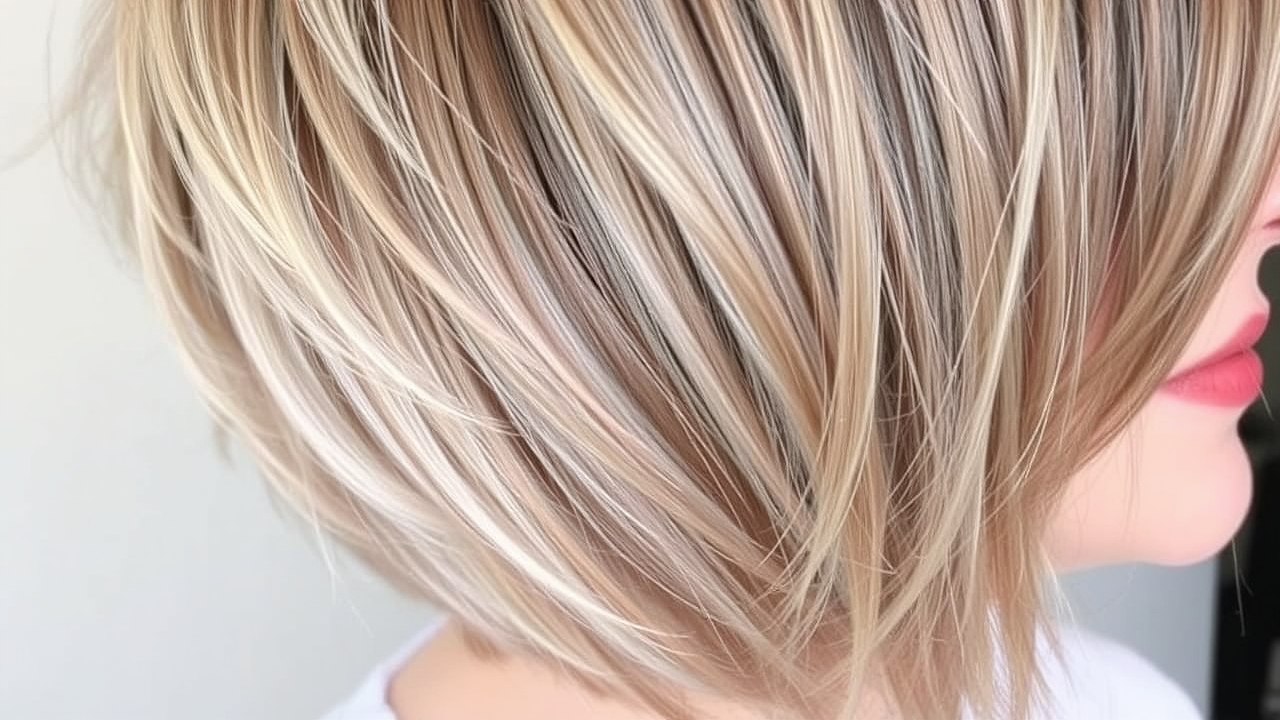
Color plays a subtle but powerful role in hairstyles for round faces that flatter. Darker tones can add depth, while lighter highlights create contrast. For example, a dark brown base with caramel highlights can add dimension to a round face. However, avoid overly bright colors that might distract from facial features. The goal is to use color to complement, not compete with, your natural shape.
Balancing Highlights and Lows
When choosing colors for round face styling, consider how highlights and lowlights interact with your features. Lowlights in the roots can add volume without overwhelming the face, while highlights at the ends can create movement. For round faces, subtle gradients are often more flattering than bold contrasts. This approach ensures that color enhances the hair’s texture rather than drawing attention away from the face.
Haircare Tips for Maintaining Flattering Styles
Maintaining hairstyles for round faces that flatter requires consistent care. Regular trims prevent split ends that can weigh down the hair. Using volumizing products at the roots can add lift, especially for straight or wavy hair. For curly hair, moisture is key to maintaining defined curls that add dimension. Tailoring your haircare routine to your hair type ensures that your chosen style remains effective over time.
Styling Products Without Overloading
Avoid heavy products that flatten hair, which can make a round face appear rounder. Opt for mousses or texturizing sprays that add volume without stiffness. For example, a light-hold mousse can define layers in a bob, while a sea salt spray enhances natural texture in curly hair. These products help maintain the structural integrity of flattering cuts without compromising hair health.
Common Mistakes to Avoid
One common mistake in hairstyles for round faces that flatter is choosing overly symmetrical styles. While symmetry can be appealing, it may accentuate the roundness of the face. Instead, embrace asymmetry in cuts or styling. Another error is neglecting hair length. A style that works for short hair might not suit long hair, and vice versa. Always consider how the length interacts with your face shape when selecting a cut.
Ignoring Personal Style
While technical aspects are crucial, personal style should never be overlooked. A hairstyle for a round face should reflect your personality. For example, a bold, edgy cut might suit someone with a confident demeanor, while a soft, romantic style could align with a more gentle personality. Balancing flattering techniques with individual expression ensures a hairstyle that feels authentic.
Step‑by‑Step Guide to Finding Your Ideal Cut
Assessing Your Face Shape
Start by measuring the width of your forehead, cheekbones, and jawline. If the measurements are roughly equal and the jawline is rounded, you likely have a round face. Use a mirror and a pen to sketch a quick outline; this visual aid helps you see where the angles should be introduced.
Analyzing Your Hair Texture
Identify whether your hair is straight, wavy, or curly. Each texture reacts differently to cuts and styling. Straight hair tends to lay flat, so layered cuts are essential. Wavy hair already has movement; focus on length and parting. Curly hair benefits from blunt or feathered cuts that prevent bulk.
Selecting a Cut That Highlights Your Best Features
Choose cuts that add height at the crown and create a vertical line. For pixies, add a deep side part and soft layers. For bobs, opt for an angled cut that starts below the chin. For long styles, layer from the mid-length to the nape to create a tapered look.
Finalizing the Look with a Consultation
Schedule a professional consultation. Bring photos of styles you love and discuss how they can be adapted to your hair type. A stylist can also recommend suitable products and maintenance routines tailored to your lifestyle.
Styling Techniques That Add Angles
Blow‑Drying for Volume and Length
Use a round brush to lift the roots while blow‑drying. Start at the scalp, pulling the hair upward, and finish with a cool blast to set the shape. This technique elongates the face and adds a polished finish.
Using Curling Iron or Straightener for Texture
For straight hair, a curling iron with a 1‑inch barrel creates loose waves that add dimension. For curly hair, a straightener can smooth the ends, preventing frizz and giving a sleek silhouette. Always use a heat protectant spray to preserve hair health.
Accessorizing to Break the Roundness
Statement hairpins, headbands, or scarves can draw attention away from the face’s width. A wide headband worn at a slight angle creates a diagonal line that visually narrows the face. Hair accessories also add personality to your look.
Seasonal Hair Care for Round Faces
Summer: Protecting from Sun and Heat
Heat can cause dryness and breakage. Use a leave‑in conditioner with UV protection and avoid excessive heat styling. When outdoors, wear a hat or use a leave‑in spray with SPF to shield your hair.
Winter: Keeping Moisture and Preventing Breakage
Cold air dries hair quickly. Use a hydrating mask once a week and apply a light oil to the ends to lock in moisture. Avoid washing daily; instead, use dry shampoo to refresh between washes.
Common Myths About Round Face Haircuts
Myth 1: You Must Always Cut Short
Many believe short hair is the only solution for round faces. In reality, well‑layered long cuts can be equally flattering if styled correctly.
Myth 2: All Layers Are the Same
Layers that start at the crown can add bulk, while those that taper toward the nape create a slimming effect. Understanding the difference is key to a successful cut.
Myth 3: Darker Hair Is Always Better
Color choice depends on skin tone and personal preference. Lighter shades can create a lifted look, especially when paired with subtle highlights.
Professional Consultation Checklist
- Bring reference photos of styles you like.
- Discuss your daily routine and how much time you’re willing to spend on styling.
- Ask about suitable products for your hair type.
- Clarify maintenance expectations, such as how often you can trim.
- Request a color consultation if you plan to add highlights or a new base color.
DIY Hair Care Routine
1. Weekly Deep Condition: Apply a protein or moisture mask, depending on your hair’s needs, and leave it for 15–20 minutes before rinsing.
2. Every Other Wash: Use a sulfate‑free shampoo to preserve natural oils.
3. Heat Protection: Before blow‑drying or straightening, spray a heat protectant to reduce damage.
4. Night Routine: Sleep on a silk pillowcase to reduce friction and maintain volume.
Coloring Tips for Round Faces
1. Choose Lowlights Near the Roots: This adds volume at the crown without widening the face.
2. Add Soft Highlights at the Mid‑Length: This creates a natural lift and draws the eye upward.
3. Avoid Heavy, Saturated Colors: They can make the face appear larger. Opt for warm neutrals or muted tones.
FAQ: Hairstyles for Round Faces That Flatter (Expanded)
- What are the best hairstyles for round faces that flatter? The most flattering styles are those that add height at the crown and create a vertical line. Short pixies with textured layers, asymmetrical bobs, and long layered cuts with a side sweep are top choices. Each cut should be tailored to your hair texture and lifestyle.
- How do I determine my face shape accurately? Measure the width of your forehead, cheekbones, and jawline. If the measurements are similar and the jawline is rounded, you have a round face. Use a mirror to sketch a quick outline or consult a professional for a precise assessment.
- Can long hair work for round faces? Yes, long hair can be flattering if it’s layered strategically. A long layered cut with a side sweep or a high ponytail can create the illusion of length, preventing the hair from adding bulk to the face.
- What styling techniques enhance flattering cuts for round faces? Use a round brush while blow‑drying to lift the roots, apply a light mousse for volume, and incorporate a deep side part. Curly hair can benefit from a diffuser to enhance natural texture without frizz.
- How often should I trim my hair to maintain a flattering style? Schedule a trim every 6–8 weeks to keep layers sharp and prevent split ends. If you have a very short cut, software may need a trim every 4–6 weeks.
For more personalized advice on hairstyles for round faces that flatter, consider consulting a professional stylist. They can assess your face shape and hair type to recommend custom solutions. This ensures that your chosen style not only complements your features but also aligns with your lifestyle and preferences.
For further reading, see related references on Wikipedia.
Leave a Reply