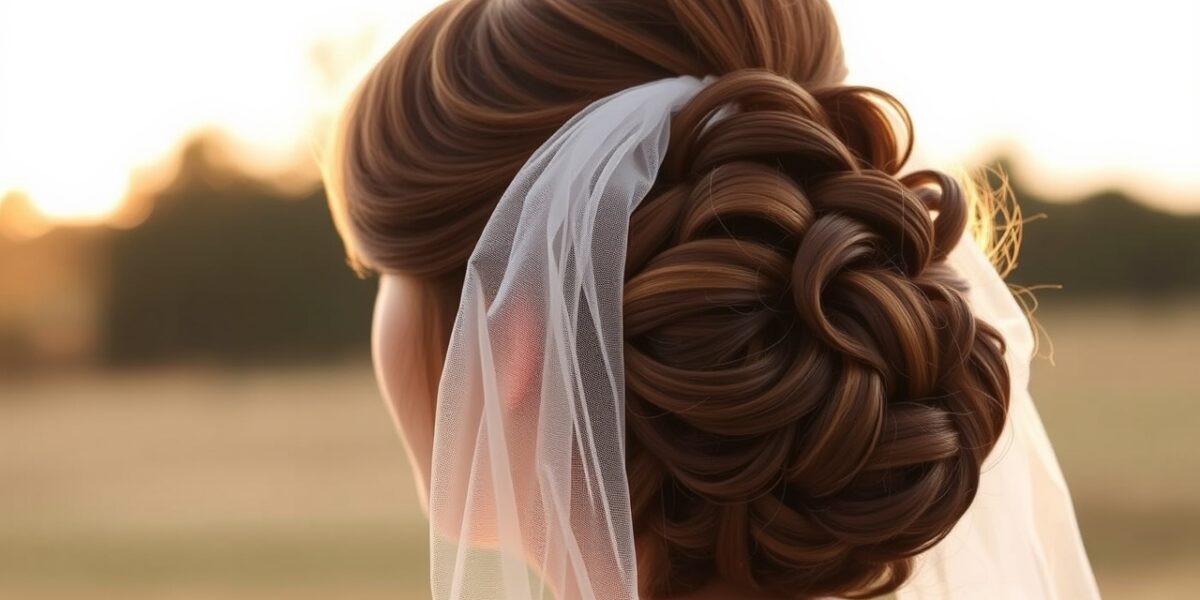
Wedding hairstyles for the bride aren’t just about looking good—they’re about feeling confident and authentic. Whether you’re drawn to the timeless elegance of a bouffant or the modern simplicity of a low bun, the right style can transform your bridal look. This guide cuts through the noise, offering real-world advice, concrete examples, and tips tailored to different hair types, dress styles, and personal preferences. No fluff, just actionable insights to help you find your perfect look.
Classic Updos: Elegance with a Purpose
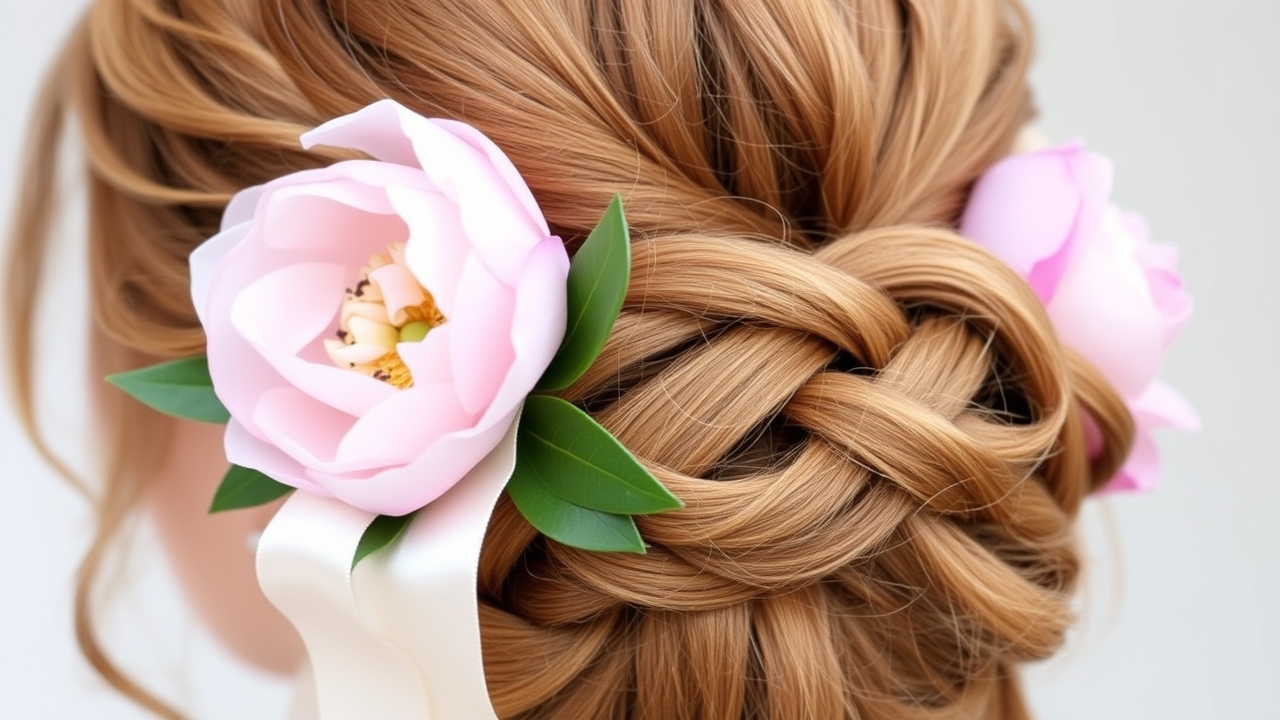
Classic updos remain a favorite for their timeless appeal. Think of a structured chignon or a voluminous bouffant—styles that keep your hair off your face while adding a touch of sophistication. For instance, a chignon wrapped with a satin ribbon can add a subtle pop of color, while a bouffant with loose strands at the sides creates a soft, romantic vibe. These styles work well for both short and long hair, but they require a skilled stylist to balance structure and flow. A key tip? Avoid over-tightening the hair, as this can lead to breakage, especially if you have fine or thin strands.
Bridal Hair Ideas for Long Hair: Beyond the Basics
Long hair offers a canvas for creativity. A fishtail braid, for example, isn’t just a trend—it’s a technique that can be adapted to your dress color and theme. Imagine a fishtail braid woven with fresh lavender or a crown braid adorned with a single rose. These details add personalization. Another option is a loose updo with a veil, where the hair is gathered at the crown and secured with a few pins, allowing the veil to cascade over the top. This style is ideal for brides who want a balance between structure and movement. For a modern twist, consider a half-up half-down style with a textured hairpin at the front, creating a focal point without overwhelming the look.


Modern Updos: Simplicity Meets Sophistication
Modern wedding hairstyles for the bride often prioritize clean lines and minimalism. A sleek low bun, for instance, is achieved by gathering hair at the nape of the neck and securing it with a few strategic pins. This style is perfect for brides who want a polished look without the fuss. Another trend is the ‘messy’ updo, which intentionally appears slightly undone. This can be achieved by using a texturizing spray to add volume and then loosely pinning the hair. For brides with straight hair, a chignon paired with a delicate headpiece offers a minimalist yet elegant alternative. These styles are not only easier to maintain but also allow for more comfort during the day, especially if you’re planning a long ceremony or reception.
Romantic Bridal Hair Styles with Floral Accents: Nature’s Touch
Incorporating flowers into your hairstyle can add a romantic, personalized touch. A popular technique is to weave fresh or artificial flowers into the hair, creating a natural, organic look. For example, a braided updo with wildflowers tucked into the braids can evoke a garden-inspired theme. Alternatively, a hairpin adorned with a small flower can serve as a subtle accent. It’s important to choose flowers that match your wedding color scheme and dress. Soft pastels like lavender or peonies are ideal for spring weddings, while deep reds or deep greens can complement autumn or winter themes. When using real flowers, ensure they are securely placed to avoid falling out during the event. A pro tip: opt for flowers with sturdy stems, like baby’s breath or eucalyptus, to ensure they stay in place.
Practical Tips for Choosing Your Hairstyle
Selecting the right wedding hairstyle requires more than just picking a style from a magazine. Start by consulting with your hairstylist to discuss your hair type, face shape, and the overall theme of your wedding. For example, curly hair may benefit from a style that highlights its natural texture, such as loose curls or a braided updo. Straight hair, on the other hand, can be styled into a sleek updo or a straight braid. It’s also wise to try out different styles in advance, perhaps during a trial run or a pre-wedding photoshoot. This allows you to assess how each style looks in real life and make any necessary adjustments.
Another important factor is the timing of your hairstyle. Some bridal hairstyles for the bride require more time to set, especially those with intricate braiding or heavy styling. Schedule your hairstyle appointment early in the day to allow for any touch-ups. Additionally, consider the weather. If your wedding is outdoors, opt for a style that can withstand humidity or wind. A secure updo with minimal loose strands is ideal for such conditions. For indoor weddings, you might have more flexibility to experiment with styles that require more time to dry or set.
Coordinating Your Hairstyle with Your Dress
Your wedding dress and hairstyle should work in harmony to create a cohesive look. For example, a flowing, lace-trimmed gown pairs well with a loose, romantic updo that mirrors the dress’s softness. Conversely, a structured, heavily beaded dress might call for a more defined, geometric hairstyle. The color of your dress also plays a role. A white dress can be complemented by a headpiece with white or silver accents, while a black dress might benefit from a bold, contrasting updo. It’s also worth considering the neckline of your dress. A high neckline can be balanced with a low bun, while a low neckline might be enhanced by a higher updo that draws attention upward. The goal is to create a balance between your dress and hairstyle, ensuring neither overpowers the other.
Bridal Hairstyles for Different Hair Types
Every bride has a unique hair type, and wedding hairstyles for the bride should be adapted accordingly. For straight hair, a sleek updo or a straight braid can create a polished look. Wavy hair offers a natural, flowing option, such as a loose updo with waves cascading down. Curly hair can be styled into a voluminous bouffant or a braided crown that showcases the curls’ texture. For those with thin hair, a style that adds volume, like a chignon or a high ponytail, can make a significant difference. It’s also important to discuss your hair’s condition with your stylist. If your hair is damaged or thin, they can recommend styles that minimize stress on the strands. For example, avoiding tight braids or heavy clips that could cause breakage.
Another consideration is the time you have to prepare. If you’re traveling to your wedding, a style that can be maintained with minimal effort is ideal. A simple updo or a low ponytail that can be secured with a hair tie is a practical choice. For a more elaborate style, ensure you have the time and resources to maintain it throughout the day. This might involve using hair products that hold the style in place or having a backup plan in case of unexpected changes.
Romantic Bridal Hair Styles for a Dreamy Look
Romantic bridal hair styles often emphasize softness, elegance, and a touch of whimsy. A popular option is the ‘dreamy’ updo, which features loose, flowing strands that create a soft, ethereal effect. This can be achieved by using a curling iron to add subtle waves to the hair before styling it into an updo. Another idea is to incorporate a veil or a headpiece that complements the hairstyle. For instance, a sheer veil paired with a braided updo can create a romantic, layered look. Additionally, using a soft, pastel-colored ribbon or hairpin can add a delicate touch. The key to achieving a romantic look is to focus on natural, flowing elements that evoke a sense of grace and beauty.
It’s also worth considering the cultural or personal significance of your hairstyle. Some brides may choose a style that reflects their heritage or personal story. For example, a traditional braided updo might be a nod to family customs, while a modern, minimalist style could represent a contemporary approach to weddings. Whatever your choice, ensure it aligns with your vision for the day. Discussing your ideas with your hairstylist can help bring your concept to life, ensuring the final result is both beautiful and meaningful.
The Role of a Skilled Stylist
No matter how detailed your vision is, the expertise of your hairstylist is crucial in achieving the perfect wedding hairstyle. A skilled stylist will not only understand your preferences but also have the technical knowledge to execute complex styles. They can offer suggestions based on your hair type, face shape, and the overall theme of your wedding. For instance, if you’re unsure about a particular style, they can recommend alternatives that might suit you better. Additionally, a good stylist will communicate clearly about the time required for the hairstyle and any potential challenges, such as humidity or hair length.
When selecting a hairstylist, look for someone with experience in bridal hair. They should have a portfolio of past work that demonstrates their ability to create wedding hairstyles for the bride. It’s also beneficial to read reviews or ask for recommendations from friends or family. A stylist who is patient, attentive, and creative can make a significant difference in the outcome. They can also provide aftercare advice, such as which products to use to maintain the style after the wedding. This ensures that your hairstyle remains beautiful long after the event.
Another advantage of working with a professional is their ability to adapt to last-minute changes. Weddings are unpredictable, and sometimes unexpected issues arise, such as a change in weather or a last-minute alteration to the dress. A skilled stylist can quickly adjust the hairstyle to accommodate these changes without compromising the overall look. This flexibility is a valuable asset, especially on the day of the wedding when time is limited.
Preparing for Your Bridal Hairstyle Appointment
Preparation is key to ensuring a smooth and successful bridal hairstyle appointment. Start by researching different wedding hairstyles for the bride and gathering inspiration from magazines, websites, or social media. Create a mood board or a list of styles you’re interested in. This will help you communicate your preferences clearly to your stylist. It’s also a good idea to bring reference photos or sketches of the styles you like. These visual aids can make it easier for your stylist to understand your vision.
Before your appointment, take care of your hair. Avoid using heavy products that could weigh down your hair or cause frizz. Instead, opt for lightweight, volumizing products that enhance your natural texture. If you’re planning to wear a veil or headpiece, discuss this with your stylist in advance. They can advise on how to incorporate these elements into your hairstyle without causing discomfort or compromising the style.
On the day of the appointment, arrive early to allow time for any last-minute adjustments. Bring a mirror or a photo of your desired look to refer to during the styling process. It’s also helpful to bring any specific tools or products you might need, such as hairpins or a veil. Being organized and prepared can reduce stress and ensure that the styling process goes smoothly.
Trends and Innovations in Bridal Hair Styles
While classic styles remain timeless, trends in wedding hairstyles for the bride continue to evolve. One current trend is the use of unconventional materials, such as metallic hairpins or geometric hair accessories. These elements add a modern, artistic touch to traditional updos. Another innovation is the integration of technology, such as LED lights embedded in hair accessories to create a glowing effect. This is particularly popular for evening weddings or themed events.
Sustainability is also becoming a consideration in bridal hair styles. Some brides are opting for eco-friendly products, such as biodegradable hairpins or natural dyes for hair coloring. This aligns with the growing emphasis on environmentally conscious choices in weddings. Additionally, there’s a trend towards personalized styles that reflect the bride’s individuality. This could involve incorporating unique elements, such as a favorite flower or a meaningful symbol, into the hairstyle.
It’s important to note that not all trends are suitable for every bride. The key is to choose a style that resonates with your personality and complements your wedding theme. Discussing these trends with your stylist can help you decide whether to embrace them or stick to a more traditional approach. Your stylist can also provide insights into which trends are practical and which might be too time-consuming or difficult to maintain.
Timeless Romantic Styles: Elegance That Endures
Timeless romantic bridal hair styles focus on elegance and simplicity. A classic example is the ‘bride’s bouquet’ hairstyle, where the hair is styled into a loose, cascading bun that resembles a floral arrangement. This style is often paired with a veil or a headpiece that complements the bouquet-like effect. Another timeless option is the ‘crown braid,’ which involves braiding the hair into a circular pattern around the head. This style is both elegant and practical, as it can be adjusted to suit different hair lengths and textures.
To achieve a timeless look, focus on clean lines and balanced proportions. Avoid overly complicated styles that may look dated or overly trendy. Instead, opt for styles that have stood the test of time, such as the chignon, bouffant, or braided updo. These styles are not only beautiful but also versatile, making them suitable for a wide range of wedding themes and dress styles. Additionally, using high-quality hair products can enhance the longevity of the style, ensuring it remains perfect throughout the day.
Another aspect of timeless romantic styles is the use of natural elements. Incorporating fresh flowers, feathers, or other organic materials can add a touch of nature to the hairstyle. This not only enhances the romantic feel but also creates a unique, personalized look. However, it’s important to ensure these elements are securely attached to avoid any mishaps during the event.
Finally, consider the lighting and photography when planning your hairstyle. A style that looks perfect in person might not translate well in photos. Discuss with your stylist how the hairstyle will look under different lighting conditions and how it will appear in photographs. This can help you make informed decisions and ensure that your wedding hairstyle for the bride is picture-perfect.
The Role of Accessories in Bridal Hair Styles
Accessories play a significant role in enhancing wedding hairstyles for the bride. From hairpins and clips to veils and headpieces, these elements can transform a simple updo into a stunning masterpiece. For example, a delicate hairpin can add a touch of sophistication to a classic bun, while a bold, statement headpiece can make a dramatic impact. The key is to choose accessories that complement your hairstyle and dress without overwhelming the overall look.
When selecting accessories, consider the material and color. Metallic accents, such as gold or silver, can add a luxurious feel, while natural materials like wood or silk offer a more organic aesthetic. The size of the accessory is also important. A large, elaborate headpiece might be too much for a simple updo, while a small, delicate piece could be lost on a more intricate style. It’s best to discuss your preferences with your stylist, who can suggest accessories that enhance your chosen hairstyle.
Another consideration is the practicality of the accessories. For instance, if you’re wearing a veil, ensure that the accessories do not interfere with its placement. Similarly, if you’re using hairpins, make sure they are secure enough to stay in place throughout the day. A good stylist will take these factors into account and recommend accessories that are both beautiful and functional.
It’s also worth thinking about the symbolism of your accessories. Some brides choose accessories that hold personal meaning, such as a family heirloom or a piece that represents their relationship. This adds a layer of depth to the hairstyle, making it more meaningful and memorable. However, it’s important to ensure that the accessories are comfortable and do not cause any discomfort during the event.
Incorporating Accessories into Your Bridal Hairstyle
Incorporating accessories into your bridal hairstyle requires careful planning and coordination. Start by choosing a style that allows for accessories. For example, a loose updo with flowing strands provides ample space for a headpiece or hairpin. A braided updo can be enhanced with floral accents or a ribbon. It’s important to plan the placement of the accessories in advance. For instance, a headpiece might be positioned at the center of the updo, while a hairpin could be placed at the side or back.
When adding accessories, consider the balance of the overall look. If your hairstyle is already elaborate, opt for simpler accessories to avoid clutter. Conversely, if your hairstyle is minimal, a bold accessory can add the necessary flair. It’s also important to test the accessories before the wedding. For example, if you’re using a veil, practice how it will interact with your hairstyle. Similarly, if you’re using hairpins, ensure they are securely fastened and won’t come loose during the event.
Another tip is to match the accessories with your wedding theme. A rustic wedding might call for natural materials like wood or burlap, while a modern wedding could benefit from sleek, metallic pieces. The accessories should enhance the theme without competing with it. Additionally, consider the color scheme. Accessories in the same color as your dress or veil can create a cohesive look, while contrasting colors can add a pop of interest.
Finally, don’t be afraid to experiment. Accessories offer a great opportunity to add a personal touch to your hairstyle. Whether it’s a unique hairpin, a custom headpiece, or a special veil, these elements can make your wedding hairstyle for the bride truly one-of-a-kind. Work closely with your stylist to ensure that the accessories are integrated seamlessly into your chosen style.
Maintaining Your Hairstyle Throughout the Day
Once your wedding hairstyle for the bride is complete, maintaining it throughout the day is just as important as the initial styling. The demands of a wedding—such as dancing, sitting for photos, and dealing with weather changes—can affect the integrity of your hairstyle. To ensure it stays in place, use products that provide hold without being too stiff. Hairsprays, gels, or mousses can help secure the style while allowing for some natural movement.
It’s also wise to have a backup plan in case of unexpected changes. For instance, if your hairstyle starts to loosen due to dancing or humidity, having a few hairpins or clips on hand can help you make quick adjustments. Additionally, consider the type of products you use. Avoid products that contain harsh chemicals, as they can damage your hair over time. Instead, choose gentle, nourishing products that maintain the health of your hair while providing the necessary hold.
Another aspect of maintenance is communication. If you notice that your hairstyle is starting to come undone, inform your stylist or a trusted friend. They can make the necessary adjustments without disrupting the flow of the event. It’s also helpful to have a designated person who can check on your hairstyle periodically. This person can ensure that everything is in place and make any small tweaks as needed.
For brides with long hair, it’s important to avoid excessive movement that could cause tangles or breakage. Opt for styles that are secure and easy to manage. For example, a braided updo or a chignon can be more resilient than a loose, flowing style. Similarly, for those with short hair, a sleek, low-maintenance style like a bob or a pixie cut can be more practical.
Finally, consider the environment. If your wedding is outdoors, be prepared for changes in temperature and humidity. These factors can affect the hold of your hairstyle. In such cases, using a heat-resistant hairspray or a product that resists humidity can be beneficial. It’s also a good idea to avoid excessive exposure to direct sunlight, which can cause hair to dry out and become brittle.
FAQ: Wedding Hairstyles for the Bride
- What are the best wedding hairstyles for the bride? The best wedding hairstyles for the bride depend on your hair type, dress style, and personal preferences. Classic updos, braided styles, and romantic braids are popular choices that offer both elegance and versatility. For example, a chignon with a satin ribbon or a braided crown with fresh flowers can be both timeless and personal.
- How do I choose a bridal hairstyle that complements my dress? Consider the color, fabric, and neckline of your dress. A flowing dress pairs well with a loose updo, while a structured dress might benefit from a more defined style. Discussing your dress with your stylist can help you find the perfect match. For instance, a lace-trimmed gown might call for a soft, flowing updo, while a beaded dress could work with a more structured braid.
- Can I have a romantic bridal hair style with short hair? Absolutely! Short hair can be styled into chic bobs, sleek pixie cuts, or even braided updos. The key is to work with your stylist to find a style that highlights your hair’s natural texture and complements your overall look. A high ponytail with a delicate hairpin or a sleek bob with a headpiece can be both romantic and practical.
- How far in advance should I book my bridal hairstyle? It’s recommended to book your bridal hairstyle at least 2-3 weeks in advance. This allows time for any necessary adjustments and ensures that your stylist can plan accordingly. If you’re traveling, booking even earlier is advisable to account for any potential delays.
- What should I do if my wedding hairstyle for the bride starts to come undone? If your hairstyle starts to loosen, have a few hairpins or clips on hand to make quick adjustments. Your stylist or a trusted friend can also help you secure the style without causing any disruption. A pro tip: avoid using products that are too heavy, as they can weigh down your hair and make it harder to adjust.
For further reading, see related references on Wikipedia.
Leave a Reply