
Scalp care routine for healthy hair starts with understanding the unique needs of your scalp.

Scalp Care Routine for Healthy Hair
When you think about hair health, the first thing that comes to mind is the product you use on the ends. Yet, the foundation of any beautiful mane is a balanced, clean, and nourished scalp. A well‑maintained scalp keeps hair follicles active, prevents breakage, and encourages growth. Below is a thorough, actionable routine that you can adapt to your lifestyle, hair type, and personal preferences.
Understanding Your Scalp: Anatomy and Microbiome
The scalp is a specialized skin on the foundation of hair follicles, sebaceous glands, and a unique microbial community that protects against pathogens. A healthy scalp maintains a slightly acidic pH (around 4.5–5.5), which discourages harmful bacteria and fungi while supporting beneficial microbes. Disruptions—whether from harsh shampoos, excess oil, or environmental pollutants—can lead to dryness, flaking, itching, or even hair thinning. Recognizing your scalp’s baseline condition is the first step toward tailoring an effective routine.


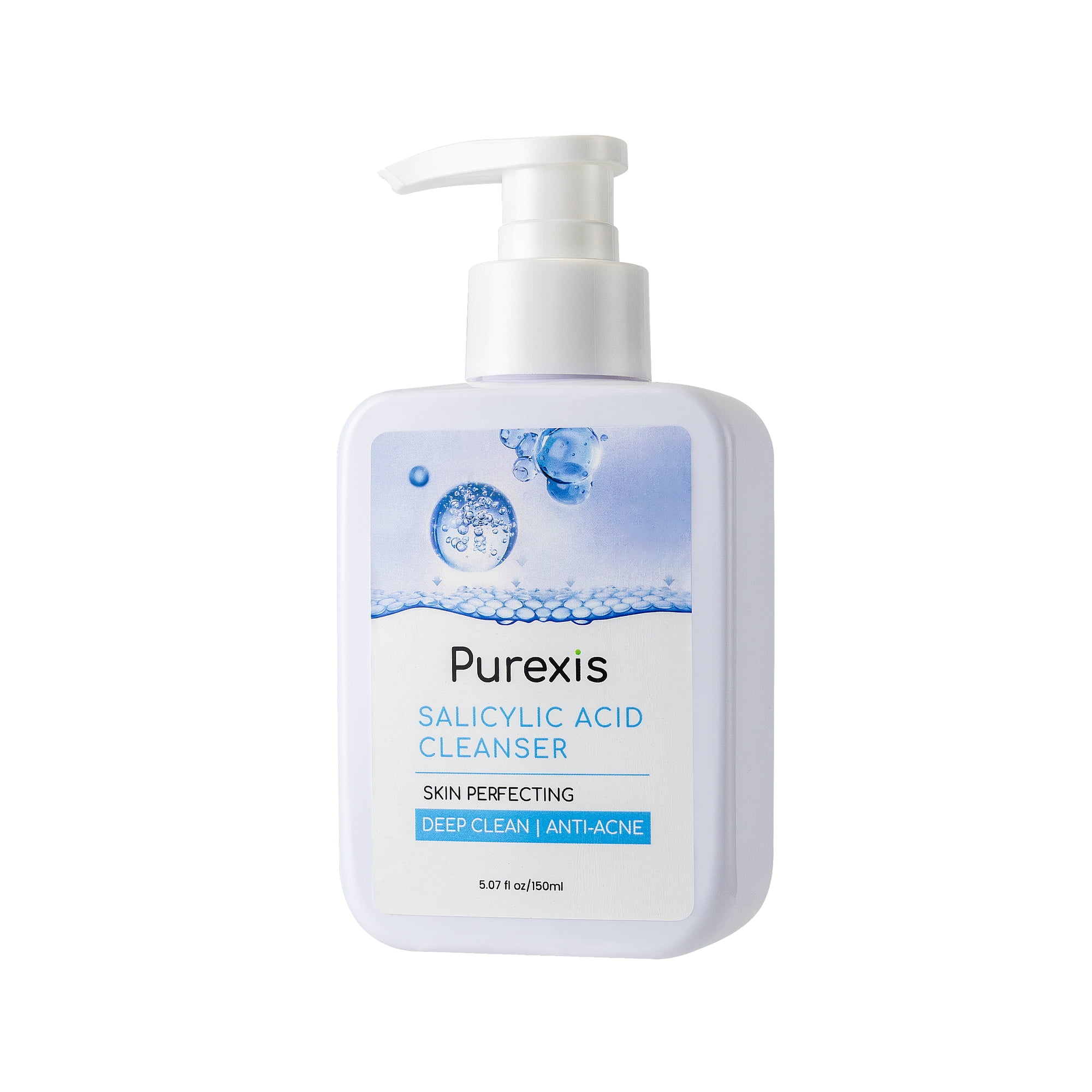
Identifying Your Scalp Type
Before you select products, determine whether your scalp leans oily, dry, sensitive, or combination:
- Oily: Appears shiny within a few hours after washing; may feel greasy; prone to sebum buildup and dandruff.
- Dry: Feels tight, may show visible flakes or itching; often lacks natural lubrication.
- Sensitive: Easily irritated by fragrances, sulfates, or certain essential oils; may react with redness or burning.
- Combination: Oily at the crown or hairline, dry at the nape or temples.
Observe your scalp after a day without washing, note any discomfort, and adjust your routine accordingly.
Step 1: Cleanse with Purpose
Cleansing removes sweat, sebum, styling product residue, and environmental debris while preserving the scalp’s natural barrier.
- Choose the right shampoo: For oily scalps, look for clarifying formulas with zinc pyrithione or salicylic acid (2–3 times a week). For dry or sensitive scalps, opt for sulfate‑free, creamy cleansers containing glycerin, aloe vera, or oat extract. If you have combination skin, a gentle balancing shampoo used 2–3 times weekly works well.
- Water temperature: Lukewarm water (around 38 °C / 100 °F) opens the cuticles just enough to lift dirt without stripping lipids. Finish with a cool rinse to close the cuticles and add shine.
- Application technique: Dispense a quarter‑size amount of shampoo into your palms, emulsify, then apply directly to the scalp—not the hair shafts. Using the pads of your fingers, massage in small circular motions for 2–3 minutes, focusing on the hairline, crown, and nape where buildup tends to accumulate.
- Rinse thoroughly: Ensure no suds remain; leftover surfactant can irritate the scalp and weigh hair down.
- Frequency: Most people benefit from washing 2–3 times per week. Oily scalps may need a daily gentle cleanse, while very dry scalps can stretch to once every 4–5 days, supplementing with a co‑wash (conditioner‑only) if needed.
- Optional double cleanse: If you use heavy styling products (gels, waxes, sprays), a first cleanse with a clarifying shampoo followed by a second, mild wash ensures complete removal without over‑stripping.
Step 2: Scalp Exfoliation (1–2 Times Per Week)
Exfoliation sloughs off dead skin cells, reduces product buildup, and stimulates microcirculation, which can improve nutrient delivery to follicles.
Physical vs. Chemical Exfoliants
- Physical scrubs: Use fine granules (sugar, ground oats, jojoba beads) that dissolve or are gentle enough not to cause micro‑tears. Avoid large salt crystals or walnut shells on a sensitive scalp.
- Chemical exfoliants: Look for leave‑on treatments containing 2–5 % salicylic acid (BHA) or lactic acid (AHA). These dissolve the bonds between dead cells without abrasive action and are ideal for sensitive or acne‑prone scalps.
DIY Scrub Recipe (for normal to oily scalps)
- 2 tablespoons fine brown sugar
- 1 tablespoon melted coconut oil (or jojoba oil for a lighter feel)
- 4–5 drops tea tree essential oil (antimicrobial)
- Optional: ½ teaspoon honey for added humectancy
Mix until a paste forms. Apply to damp scalp, parting hair to expose the skin. Gently massage in circular motions for 30–60 seconds, then rinse with lukewarm water. Follow with a lightweight conditioner on the mid‑lengths to ends.
Commercial Options
If you prefer a ready‑made product, consider a scalp exfoliating shampoo with salicylic acid (e.g., Neutrogena T/Sal) or a pre‑shampoo scrub containing charcoal and peppermint oil. Use these no more than twice weekly to avoid barrier disruption.
Precautions
- Never exfoliate on broken skin, open wounds, or active infections.
- If you experience burning, redness, or increased itching, discontinue and switch to a milder formula.
- Always finish with a soothing toner or hydrating serum to replenish moisture.
Step 3: Hydrate and Nourish
After cleansing (and exfoliating, if applicable), the scalp needs moisture to maintain elasticity and prevent overproduction of oil as a compensatory mechanism.
Lightweight Serums
- Niacinamide (vitamin B3) 2–5 %: improves barrier function, reduces redness, and regulates sebum.
- Panthenol (pro‑vitamin B5) 2–5 %: attracts water, adds suppleness, and soothes irritation.
- Hyaluronic acid (low molecular weight): draws moisture into the scalp without heaviness.
- Apply 3–5 drops to fingertips, dot onto the scalp, and gently massage until absorbed. No rinsing required.
Oil Treatments for Dry Scalps
- Jojoba oil mimics the scalp’s natural sebum; use ½ teaspoon, warm between palms, and massage for 2 minutes.
- Argan oil delivers vitamin E and fatty acids; ideal for a weekly deep‑nourish session.
- Rosehip oil contains trans‑retinoic acid, supporting cell turnover; use sparingly (2–3 drops) if you have sensitive skin.
- Leave the oil on for 10–15 minutes, then proceed with your regular shampoo (or skip shampoo if you prefer a co‑wash).
Scalp Masks (1–2 Times Per Week)
- Mix 1 tablespoon plain yogurt (lactic acid) with 1 teaspoon honey and a few drops of lavender oil; apply for 10 minutes, then rinse.
- Alternatively, use a commercial clay mask (kaolin or bentonite) infused with peppermint to draw out impurities while cooling the scalp.
Step 4: Scalp Care for Hair Growth
While topical treatments support the environment, true growth depends on follicle health, nutrition, and minimizing damaging habits.
Nutrition Foundations
- Protein: Aim for 0.8–1 g per kilogram of body weight daily (lean poultry, fish, legumes, quinoa). Hair is primarily keratin, a protein.
- Iron: Low ferritin correlates with telogen effluvium; include spinach, lentils, red meat, or consider a supplement after testing.
- Zinc & Selenium: Pumpkin seeds, oysters, and Brazil nuts support follicle cycling.
- Omega‑3 fatty acids: Salmon, flaxseed, walnuts reduce inflammation and improve scalp circulation.
- Biotin (vitamin B7): While deficiency is rare, foods like eggs, nuts, and sweet potatoes help maintain keratin infrastructure.
Topical Growth‑Support Actives
- Caffeine (0.1–0.5 %): Shown in vitro to stimulate follicle proliferation; look for shampoos or serums containing caffeine.
- Peptides (e.g., copper‑tripeptide‑1): Promote collagen synthesis around the follicle.
- Minoxidil (2 % for women, 5 % for men): FDA‑approved vasodilator; apply as directed if you’re experiencing thinning.
- Essential oils: Rosemary oil (diluted 2–3 drops in 1 tablespoon carrier oil) has comparable efficacy to minoxidil in some studies; peppermint oil increases local blood flow.
Scalp Massage Technique
- Use the pads of your fingers (not nails) to apply gentle pressure in small circles.
- Start at the hairline, move toward the crown, then down the nape; spend roughly 5 minutes total.
- Perform on damp scalp after applying a serum or oil to enhance absorption.
- Studies suggest 4‑minute daily massages can increase hair thickness over 24 weeks.
Step 5: Address Itchy Scalp Care
Itchiness may stem from dandruff (Malassezia overgrowth), seborrheic dermatitis, psoriasis, allergic contact dermatitis, or simple dryness.
First‑Line Soothers
- Diluted apple cider vinegar rinse: 1 part ACV to 4 parts water; apply after shampoo, leave for 1–2 minutes, then rinse. The acidic pH helps rebalance the scalp microbiome.
- Aloe vera gel: 100 % pure, applied as a leave‑in after conditioning; provides cooling and anti‑inflammatory polysaccharides.
- Chamomile tea compress: Brew strong chamomile, cool, soak a clean cloth, and press onto itchy areas for 5 minutes.
Targeted Treatments
- For dandruff: Shampoos with zinc pyrithione, selenium sulfide, or ketoconazole (2 %) used 2–3 times weekly.
- For seborrheic dermatitis: Low‑potency corticosteroid lotion (e.g., hydrocortisone 1 %) applied sparingly at night, followed by a gentle moisturizer in the morning.
- For psoriasis: Coal tar or salicylic acid‑based shampoos; consider prescription topicals under dermatologist guidance.
- For allergic reactions: Identify and eliminate the offending product (often fragrance, preservatives, or certain essential oils); switch to fragrance‑free, hypoallergenic formulas.
When to Seek Professional Help
If itching persists beyond two weeks despite home care, is accompanied by painful sores, significant hair loss, or signs of infection (pus, fever), consult a dermatologist or trichologist for a personalized plan.
Step 6: Maintain a Healthy Scalp Lifestyle
Topical care is only part of the equation; daily habits profoundly influence scalp physiology.
- Hydration: Aim for 2–2.5 liters of water daily (about 8 cups). Proper hydration supports sebaceous gland function and nutrient transport.
- Stress Management: Chronic stress elevates cortisol, which can trigger sebaceous overdrive and inflammation. Incorporate mindfulness meditation (10 minutes daily), yoga, or brisk walks.
- Sleep: 7–9 hours of quality sleep enables cellular repair and hormone regulation, both vital for follicle cycling.
- Exercise: Moderate cardio (30 minutes, 3–5 times weekly) boosts circulation, delivering oxygen and nutrients to the scalp.
- Environmental Protection: UV radiation can degrade scalp proteins and exacerbate dryness. Wear a wide‑brimmed hat or a UV‑protective scarf during prolonged outdoor exposure. In polluted urban settings, a lightweight silk scarf can reduce particulate deposition.
- Night‑time Routine: Sleep on a silk or satin pillowcase to minimize friction and prevent moisture loss. Consider a loose braid or low ponytail to avoid tension on the hairline.
Integrating the Routine into Your Weekly Schedule
A flexible template helps you stay consistent while listening to your scalp’s feedback.
| Day | Focus | Actions |
|---|---|---|
| Monday | Cleanse + Massage | Gentle sulfate‑free shampoo, lukewarm water, 3‑minute scalp massage, follow with niacinamide serum. |
| Tuesday | Rest or Light Co‑wash | If scalp feels oily, rinse with water and apply a light conditioner to the ends only. |
| Wednesday | Cleanse + Exfoliate | Shampoo (clarifying if needed), then apply DIY sugar scrub or salicylic acid pre‑shampoo treatment, rinse, finish with panthenol serum. |
| Thursday | Hydrate | Leave‑in aloe vera gel or light jojoba oil massage (2 minutes). |
| Friday | Cleanse + Growth Serum | Balancing shampoo, apply caffeine‑peptide serum, massage for 2 minutes. |
| Saturday | Mask or Oil Treatment | Apply yogurt‑honey mask or argan oil for 10‑15 minutes, then rinse and follow with regular shampoo. |
| Sunday | Rest & Protect | No washing; simply brush gently with a boar‑bristle brush to distribute oils, and wear a breathable hat if outdoors. |
Adjust the days based on how your scalp feels. After 4–6 weeks, you should notice reduced tightness, fewer flakes, and improved hair manageability.
Tracking Progress: What to Look For
Objective signs help you fine‑tune the routine.
- Visual: Less visible flaking, reduced redness, more even scalp tone.
- Tactile: Decreased tightness or itchiness; scalp feels supple, not greasy or overly dry.
- Hair‑Related: Less breakage during brushing, increased shine, and possibly a slight increase in hair density over 3 months.
- Journal: Note product changes, washing frequency, stress levels, and any symptoms. A simple spreadsheet or notes app works well.
Expert Insight
According to research on scalp health published on Wikipedia, maintaining a balanced pH and removing excess sebum are critical for preventing common scalp disorders. These findings align with the routine above, which prioritizes gentle cleansing, regular exfoliation, and barrier‑supporting hydration.
Call to Action
For more styling tips and hair care insights, visit our home page and explore a variety of resources tailored to every hair type.
Frequently Asked Questions
- Scalp care routine for healthy hair: How often should I wash my scalp? Most people thrive with 2–3 washes per week using a sulfate‑free shampoo suited to their scalp type. If you have an oily scalp, a gentle daily cleanse with a lightweight clarifying formula can be beneficial, but always follow with a lightweight conditioner on the ends to prevent dryness. Very dry or sensitive scalps may benefit from washing once every 4–5 days, supplementing with a co‑wash (conditioner‑only) on intervening days to keep the hair manageable.
- Can scalp exfoliation worsen an itchy scalp? Exfoliation is safe when performed correctly and not overdone. Use a fine‑grain physical scrub or a low‑percentage chemical exfoliant (salicylic acid 2 % or lactic acid 3 %) no more than twice weekly. Over‑exfoliating can strip the barrier, leading to increased irritation, redness, or a rebound increase in oil production. If you notice heightened itching or burning after exfoliation, discontinue and switch to a soothing hydrating step (aloe vera or niacinamide serum) before resuming at a lower frequency.
- What natural ingredients help with scalp care for hair growth? Several botanicals have evidence‑based benefits: rosemary oil (stimulates follicular activity comparable to minoxidil in some studies), peppermint oil (increases local blood flow), tea tree oil (antimicrobial, reduces dandruff‑related inflammation), and lavender oil (calms irritation). Pair these with a carrier oil like jojoba or grapeseed to avoid sensitivity. Additionally, ingesting foods rich in omega‑3s, zinc, and biotin supports the follicular environment from within.
- Is it safe to use essential oils on my scalp? Essential oils are potent and must be diluted before topical application. A safe dilution is 1–2 % essential oil in a carrier oil (e.g., 2 drops rosemary oil in 1 teaspoon jojoba). Always perform a patch test behind the ear or on the inner forearm for 24 hours before applying to the scalp. Avoid using undiluted oils, and steer clear of photosensitizing citrus oils (bergamot, lemon) if you’ll be exposed to sunlight shortly after application.
- How can I treat a persistent itchy scalp? Begin with gentle, non‑irritating steps: a diluted apple cider vinegar rinse, aloe vera gel leave‑in, and a fragrance‑free moisturizing serum. If symptoms persist beyond two weeks, consider an over‑the‑counter anti‑dandruff shampoo containing zinc pyrithione or ketoconazole. Should the itch be accompanied by scaling, red patches, or hair loss, seek a dermatologist’s evaluation for conditions like psoriasis, seborrheic dermatitis, or allergic contact dermatitis, which may require prescription topicals or oral therapy.
Leave a Reply