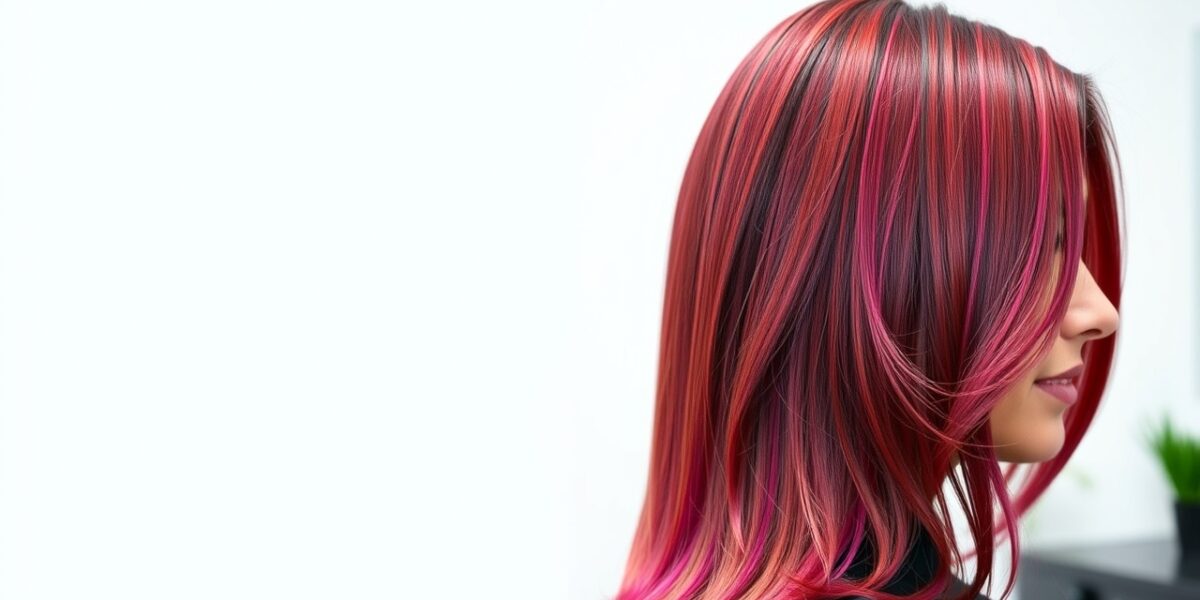
How to maintain hair color at home is a priority for anyone who invests time and money into vibrant hues. Whether you’ve just dyed your hair or are looking to extend the life of your current color, understanding the factors that cause fading and implementing a strategic at-home care routine is key. Hair color maintenance isn’t just about using the right products; it’s about creating a holistic approach that minimizes damage and preserves your investment. By adopting a color-safe routine, you can significantly reduce the risk of premature fading while keeping your hair looking fresh and vibrant.
Understanding Why Hair Color Fades
Hair color fades due to a combination of chemical, environmental, and mechanical factors. The dyes used in hair coloring processes break down over time, especially when exposed to heat, sunlight, chlorine, or frequent washing. A color-safe routine is designed to counteract these elements. For instance, sulfates in regular shampoos can strip color molecules from the hair shaft, accelerating fading. Similarly, UV rays from the sun can degrade dye molecules, making your color look dull. Preventing color fading starts with recognizing these threats and addressing them proactively.
Chemical Damage and Its Impact
Every time you wash your hair, especially with harsh products, you risk damaging the color. The process of coloring deposits pigments into the hair cortex, but repeated exposure to chemicals can cause these pigments to loosen. This is why a color-safe routine prioritizes gentle, sulfate-free formulas. Additionally, heat styling tools like flat irons or curling irons can accelerate fading by opening the hair cuticle, allowing color molecules to escape. To mitigate this, always use heat protectants and limit high-temperature exposure. For example, using a heat protectant spray before blow-drying can create a barrier that reduces damage. Another chemical threat is chlorine from swimming pools, which can bleach color and weaken the hair shaft. A color-safe routine should include pre-swim treatments, such as applying a leave-in conditioner or oil to create a protective layer. This step is critical for those who swim frequently, as chlorine exposure can cause rapid fading even with a good at-home regimen.


Environmental Factors and Their Role
Beyond chemicals, environmental elements like sunlight, pollution, and humidity play a significant role in color fading. UV rays from the sun can break down dye molecules, particularly in lighter shades like pastels or pastel pinks. To combat this, incorporating a UV-protective serum or wearing a hat when outdoors is essential. Pollution, such as smog or industrial particles, can also react with hair color, causing it to dull over time. A color-safe routine might include using antioxidant-rich products to neutralize these effects. Humidity, on the other hand, can make hair more porous, allowing color to fade faster. In humid climates, using a humidity-resistant conditioner or applying a serum to seal the cuticle can help maintain vibrancy.
Creating a Color-Safe Routine at Home
Preserving hair color at home hinges on consistency. A color-safe routine should include products specifically formulated to protect dye molecules. Look for shampoos and conditioners labeled as ‘color-safe’ or ‘color-preserving.’ These products are typically free of sulfates and contain ingredients like keratin or proteins that strengthen the hair shaft, reducing permeability. For example, a sulfate-free shampoo with panthenol (pro-vitamin B5) can help seal the cuticle and lock in color. Additionally, using a color-depositing conditioner once a week can replenish fading pigments without introducing new chemicals that might clash with your existing color. This step is particularly useful for those with cool or warm tones, as it can enhance the depth of the color.
Step-by-Step Guide to Building a Color-Safe Routine
To create an effective color-safe routine, follow these steps:
- Choose the Right Products: Opt for sulfate-free shampoos, color-safe conditioners, and heat protectants. Look for ingredients like keratin, argan oil, or vitamin E, which strengthen the hair and protect against damage.
- Wash Less Frequently: Aim to wash every 2-3 days unless your hair gets visibly dirty. Over-washing strips natural oils and accelerates fading. Use lukewarm water to avoid opening the cuticle.
- Apply Color-Safe Products Correctly: When washing, apply shampoo to the scalp and work it through the lengths. Avoid rubbing or scrubbing, which can damage the hair shaft. After washing, rinse with cold water to seal the cuticle and lock in color.
- Use a Color-Protecting Conditioner: Apply a color-safe conditioner from mid-lengths to ends. This helps replenish moisture and protect the color. For best results, use it once a week or after every wash.
- Incorporate Treatments: Once a week, use a deep conditioning mask or a color-boosting serum. These products often contain UV filters or antioxidants to combat fading.
- Protect from Environmental Factors: Wear a hat or use a UV-protective spray when outdoors. After swimming, rinse thoroughly and follow up with a color-restoring shampoo.
Product Recommendations for Different Hair Types
For fine or thin hair, which is more porous, choose lightweight, volumizing products to avoid weighing the hair down. Thick or coarse hair may benefit from richer, moisturizing formulas to combat dryness. Curly hair, which tends to hold color well but is prone to frizz, should use sulfate-free products and avoid heat styling. For example, a curly-haired individual might use a leave-in conditioner with shea butter to maintain moisture and prevent color from fading due to frizz.
Preventing Color Fading with Targeted Treatments
Beyond daily care, specific treatments can help maintain hair color at home. Deep conditioning treatments once a week can replenish moisture and strength, making the hair less susceptible to damage. Use a mask formulated for colored hair, which often includes UV filters to protect against sun-induced fading. Additionally, consider incorporating a weekly color-boosting treatment, such as a leave-in serum with antioxidants, to combat oxidative stress that breaks down pigments. For instance, a serum containing vitamin C can neutralize free radicals that damage dye molecules, while a keratin-rich mask can strengthen the hair shaft and reduce permeability.
Examples of Effective Treatments
Some targeted treatments include:
- Color-Protecting Serums: Look for serums with UV filters or antioxidants. Apply a small amount to damp hair after washing and leave it in for 5-10 minutes before rinsing.
- Deep Conditioning Masks: Use a mask with ingredients like argan oil or shea butter. Apply to clean, damp hair and cover with a shower cap for 20-30 minutes before rinsing.
- Leave-In Conditioners: These can be used daily to seal the cuticle and protect color. Choose ones with keratin or panthenol for added benefits.
How to Apply Treatments for Maximum Effect
To maximize the effectiveness of treatments:
- Apply to Clean, Damp Hair: Treatments work best when applied to hair that is slightly damp, as this allows the product to penetrate the cuticle.
- Focus on Mid-Lengths and Ends: These areas are most prone to damage and color fading. Avoid applying products to the roots, as this can weigh the hair down.
- Use a Heat Cap or Towel: After applying a mask or serum, cover your hair with a shower cap or towel to trap heat and enhance absorption.
- Follow Up with a Color-Safe Shampoo: After treatments, use a color-safe shampoo to avoid stripping the added pigments.
Protecting Against Environmental Factors
Environmental elements like chlorine from pools, saltwater, and UV rays are major culprits in color fading. A color-safe routine should include pre-swim or pre-beach treatments. Apply a leave-in conditioner or oil (like argan or coconut oil) before swimming to create a barrier against chlorine. After swimming, rinse thoroughly and follow up with a color-restoring shampoo. Similarly, wear a hat or use a UV-protective spray when outdoors to prevent sun damage. For example, a UV-protective spray with zinc oxide can create a physical barrier against UV rays, while a leave-in conditioner with antioxidants can neutralize free radicals from pollution.
Pre-Swim and Post-Swim Care
To protect your color before and after swimming:
- Pre-Swim: Apply a leave-in conditioner or oil to damp hair. This creates a protective layer that repels chlorine. For saltwater, use a saltwater-specific conditioner to neutralize the effects of salt.
- Post-Swim: Rinse your hair with fresh water immediately after swimming to remove chlorine or salt. Follow up with a color-restoring shampoo to neutralize any remaining chemicals.
UV Protection Strategies
To protect against sun damage:
- Wear a Hat: A wide-brimmed hat can shield your hair from direct sunlight.
- Use a UV-Protective Spray: Apply a spray with UV filters to your hair before going outside. Reapply every few hours if you’re in the sun for extended periods.
- Avoid Peak Sun Hours: Limit exposure to the sun between 10 AM and 4 PM when UV rays are strongest.
Using Color-Depositing Products Wisely
Color-depositing products can be a double-edged sword. While they add pigment, they can also weigh hair down or clash with existing color if not used correctly. To maintain hair color at home, use these products sparingly and strategically. For instance, a color-depositing conditioner applied to the mid-lengths and ends can refresh faded areas without overloading the roots. Avoid applying these products daily, as overuse can lead to buildup. Instead, reserve them for when you notice significant fading, typically every 4-6 weeks. For example, a violet-toned deposit can neutralize brassy tones in blonde hair, while a red deposit can enhance red or auburn shades.
Choosing the Right Color-Depositing Products
Not all color-depositing products are created equal. Look for ones that are lightweight and formulated for colored hair. Avoid products with heavy silicones or alcohol, which can dry out the hair. For example, a color-depositing serum with a balanced pH can add pigment without causing buildup. Another option is a color-depositing mask, which can be used once a month to refresh fading areas.
Step-by-Step Guide to Using Color-Depositing Products
To use color-depositing products effectively:
- Choose the Right Shade: Select a deposit that matches or complements your existing color. For example, a blue deposit can neutralize orange tones in blonde hair.
- Apply to Mid-Lengths and Ends: Focus on the areas most prone to fading. Avoid the roots to prevent over-saturation.
- Rinse Thoroughly: After applying the product, rinse it out completely to avoid residue. Use a color-safe shampoo afterward to remove any leftover product.
- Repeat as Needed: Use the product every 4-6 weeks or when you notice fading. Overuse can lead to buildup, so follow the product’s instructions carefully.
DIY Color-Depositing Recipes
For those who prefer natural methods, you can create your own color-depositing treatments. For example, a mixture of beetroot juice and apple cider vinegar can add red or pink tones to hair. Mix 2 tablespoons of beetroot juice with 1 tablespoon of apple cider vinegar and apply to damp hair. Leave it in for 10-15 minutes before rinsing. Another option is a honey and cinnamon mask, which can add warm tones. Mix 1 tablespoon of honey with 1 teaspoon of cinnamon and apply to the hair, leaving it in for 20 minutes before rinsing. These DIY methods should complement, not replace, a structured color-safe routine.
Tailoring Your Approach to Hair Type
Different hair types require different strategies to maintain color. Fine or thin hair is more porous and absorbs color quickly but also loses it faster. A color-safe routine for fine hair should focus on minimizing washing and using lightweight products. Thick or coarse hair, on the other hand, may need more frequent treatments to combat dryness and maintain vibrancy. For example, curly hair tends to hold color well but is prone to frizz, which can make color look dull. A color-safe routine for curly hair might include deep conditioning and avoiding heat styling. Straight hair, which is less porous, may require more frequent touch-ups to maintain color.
Hair Type-Specific Tips
Here are tailored tips for different hair types:
- Fine or Thin Hair: Use lightweight, volumizing products to avoid weighing the hair down. Wash every 2-3 days and avoid heavy conditioners.
- Thick or Coarse Hair: Use rich, moisturizing products to combat dryness. Apply color-safe conditioners more frequently and use a deep conditioning mask once a week.
- Curly Hair: Focus on moisture retention. Use sulfate-free products and avoid heat styling. Apply a leave-in conditioner to reduce frizz, which can dull the color.
- Wavy Hair: Use products that add definition without weighing the hair. Avoid over-washing to prevent color from fading.
Professional vs. At-Home Maintenance
While professional touch-ups are sometimes necessary, maintaining hair color at home can extend the time between salon visits. However, it’s important to recognize when at-home care isn’t enough. If your color is fading rapidly despite a consistent routine, it may be time for a professional refresh. Salons can offer treatments like color boosters or toner applications that aren’t feasible at home. For example, a salon color booster can deposit pigments directly into the hair shaft, while a toner can neutralize unwanted tones. But for most people, a diligent at-home regimen can significantly reduce the need for frequent salon visits. A good at-home routine might include a weekly color-depositing treatment and a monthly deep conditioning mask to keep the color vibrant.
Common Mistakes to Avoid
Many people make errors that accelerate color fading. One common mistake is using regular hair products not formulated for colored hair. Another is neglecting to protect hair from heat and sun. For instance, blow-drying on high heat without a protectant can cause significant damage. Additionally, over-brushing or using rough towels can cause mechanical damage, loosening dye molecules. A color-safe routine should address these habits by incorporating gentle handling and protective products. For example, using a wide-tooth comb instead of a brush can reduce breakage, and a microfiber towel can prevent friction when drying.
Specific Mistakes and Solutions
Here are common mistakes and how to avoid them:
- Using Harsh Shampoos: Avoid sulfates and opt for color-safe formulas. If you must use a regular shampoo, follow up with a color-restoring conditioner.
- Ignoring Heat Protection: Always use a heat protectant before styling. Limit the use of high-temperature tools to once a week.
- Over-Brushing: Use a wide-tooth comb to detangle hair gently. Avoid brushing wet hair, as it’s more prone to breakage.
- Neglecting Sun Protection: Wear a hat or use a UV-protective spray when outdoors. Avoid leaving hair in direct sunlight for extended periods.
The Role of Diet and Hydration
While not a direct factor, diet and hydration can indirectly affect hair color. Nutrient deficiencies, such as a lack of vitamins A, C, or E, may weaken hair and make it more prone to damage. Staying hydrated ensures your hair remains healthy and less susceptible to fading. A balanced diet rich in proteins, antioxidants, and healthy fats supports overall hair health, which is foundational to a successful color care regimen. For example, consuming foods high in vitamin C, like citrus fruits, can boost collagen production, which strengthens the hair shaft and helps retain color.
FAQ: How to Maintain Hair Color at Home
- How to maintain hair color at home without professional help? A consistent color-safe routine is key. Use sulfate-free products, wash less frequently, and incorporate color-depositing treatments. Protect your hair from heat and sun with heat protectants and UV-protective sprays. Regular deep conditioning and avoiding harsh chemicals can also help preserve your color.
- What are the best products for preserving hair color at home? Look for sulfate-free shampoos, color-safe conditioners, and heat protectants. Products with keratin, panthenol, or antioxidants are ideal. Color-depositing conditioners or serums can also refresh fading areas. Avoid products with heavy silicones or alcohol, which can dry out the hair.
- How often should I wash my hair to prevent color fading? Wash every 2-3 days unless your hair gets visibly dirty. Over-washing strips natural oils and accelerates fading. Use lukewarm water and rinse with cold water to seal the cuticle and lock in color.
- Can natural remedies help in maintaining hair color at home? Yes, natural remedies like apple cider vinegar rinses or honey masks can help. Apple cider vinegar closes the cuticle and enhances shine, while honey provides moisture. However, these should complement, not replace, a structured color-safe routine. Always patch test natural ingredients to avoid allergic reactions.
- What should I do if my hair color fades quickly despite a color-safe routine? If your color fades rapidly, consider adjusting your routine. Check if you’re using the right products, washing too frequently, or exposing your hair to heat or sun. You may also need a professional touch-up. A salon color booster or toner can restore vibrancy, or you might need to re-dye your hair if the color is severely faded.
For further reading, see related references on Wikipedia.
Leave a Reply