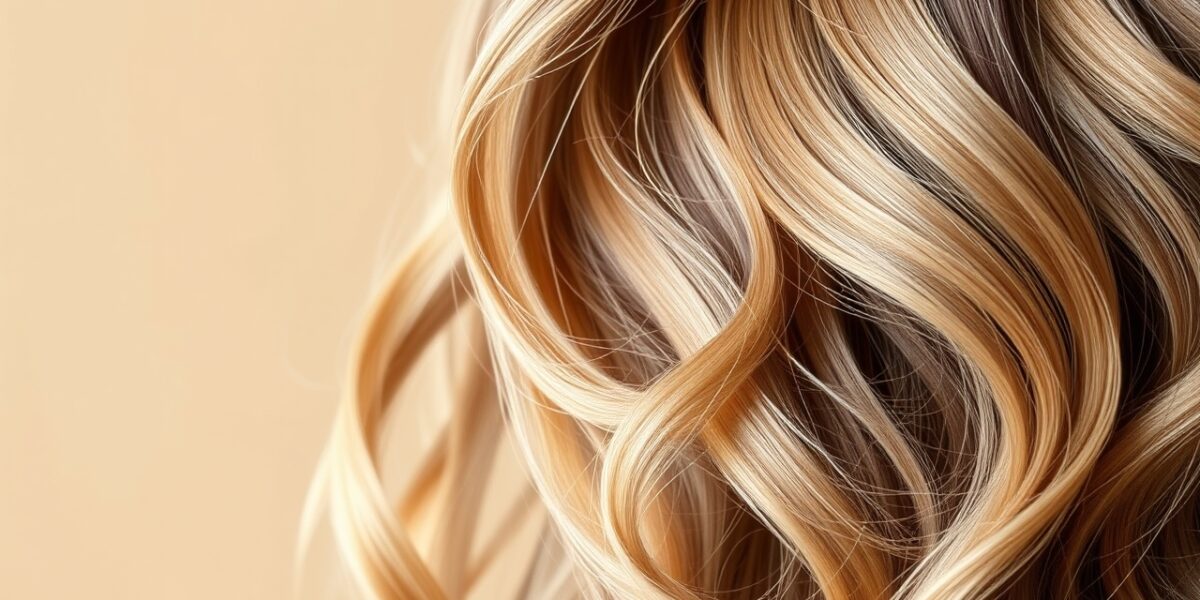
Thin hair can feel like a constant battle against gravity. Every strand seems to lean toward the floor, and the longer you let it grow, the more it looks stringy and lifeless. The good news is that the solution isn’t a miracle product; it’s a combination of thoughtful cutting, intentional layering, and a few smart styling tricks that give your hair a lift from root to tip.
Understanding Your Hair Texture and Density
Before you rush to the salon, it’s essential to separate texture from density. Fine hair refers to the diameter of each individual strand—think of a single thread versus a thick rope. Thin hair refers to the number of strands per square inch on your scalp. In practice, most people have a mix of both: strands that are slender and a scalp that holds fewer of them. Knowing the difference helps you pick cuts that add bulk where you need it and keep the strands from clumping.
For instance, a woman with fine strands but moderate density might benefit from a blunt bob that keeps the ends thick, while someone with low density will need layers that create the illusion of volume without losing length.


Want to dive deeper into the science of hair growth? The Wikipedia page for hair offers a clear overview of follicle biology and growth phases.
The Best Cuts for Thin Hair to Create Instant Fullness
One of the most common misconceptions is that longer hair automatically looks fuller. In reality, the extra length often pulls the strands down, emphasizing the lack of density. Short to medium lengths—particularly those that sit at or just above the jawline—are your best allies. They keep the weight off the roots and give you a canvas for volume.
1. The Blunt Bob
A blunt cut is the go-to for thin hair because it creates a solid, even line at the ends that masks the thinness of each strand. Think of a classic Hollywood bob that stops just at the chin. The key is to keep the cut straight and avoid any texturizing or thinning shears that could thin the ends further.
When you walk into the salon, ask for a “jawline‑length blunt bob.” The stylist will use a razor or a sharp blade to keep the edges crisp. The result is a head of hair that feels heavier at the bottom, giving the illusion of fullness.
2. The Textured Pixie
For those who love a low‑maintenance look, a pixie cut offers instant volume. Because the hair is short, you can apply a lightweight mousse or a volumizing spray to the roots and then use a blow dryer to lift the crown. Layer the top with choppy cuts to create movement—this is the “textured” part of the pixie.
When styling, flip your head upside down and use a small round brush to lift the roots. Finish with a light dusting of dry shampoo to keep the hair from flattening.
3. Soft Layered Lob (Long Bob)
If you’re not ready to cut it short, a lob is the sweet spot. Ask for a “soft layered lob” that ends just below the shoulders. Avoid heavy, face‑framing layers that can make the ends look wispy; instead, opt for internal layers that lift the mid‑section without thinning the outer edges.
During the cut, the stylist will use a “point‑cut” technique to keep the lob’s shape. The internal layers add body in the middle, while the blunt ends keep the overall look thick.
4. The Curtain Bangs
Curtain bangs create a frame that pulls the hair toward the center, giving the illusion of width. They also add texture at the front, which can distract from thinness. When combined with a blunt bob or a lob, curtain bangs can be a game‑changer.
Ask your stylist to cut the bangs to just above the brow line and blend them with the rest of the cut. The hair that falls over the forehead will look fuller because it’s layered and thicker.
Strategic Color Techniques to Add Dimension
Color can be your secret weapon. A single, flat tone makes thin hair look even thinner. By adding layers of light and dark, you create shadows and highlights that trick the eye into seeing depth.
- Micro‑highlights: Fine, almost invisible highlights that catch the light and add a subtle lift. Think of a “touch‑up” highlight that’s only a few strands wide.
- Lowlights: Darker tones at the roots give the scalp a fuller look. They create contrast and make the hair appear thicker.
- Balayage: A hand‑painted gradient that starts darker at the roots and lightens toward the ends. The natural fade ensures the hair doesn’t look patchy.
- Foil highlights: For a more dramatic look, foil highlights can be used sparingly to add sparkle without overwhelming the hair.
For a deeper dive into how color can transform thin hair, check out our guide on expert hair coloring techniques.
Daily Styling Secrets: Fine Hair Tips for Every Day
Even the best cut needs the right routine. Below are step‑by‑step techniques that keep your hair looking full all day.
1. The Blow‑Dry Method
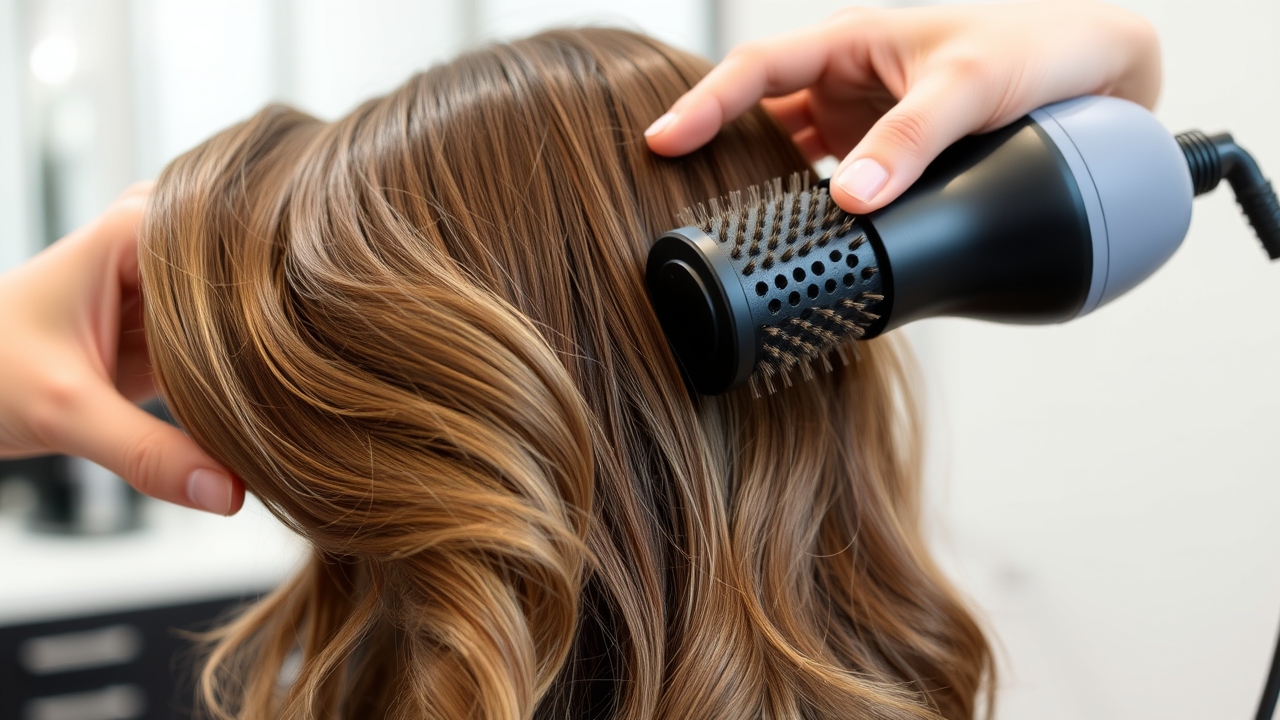
Never let your hair air‑dry if volume is your goal. Start by applying a lightweight mousse to damp roots. Flip your head upside down and use a 1‑inch round brush to lift the roots while pulling the hair upward. Keep the dryer on a medium heat setting and focus on the scalp area. Once the hair is about 80% dry, flip it back and use the brush to smooth the ends while maintaining the lift at the crown.
Finish with a cool blast to set the shape and a light mist of hair spray for hold.
2. Product Selection: Less Is More
Heavy, oil‑laden products are a no‑no for thin hair. Look for “volumizing,” “thickening,” or “weightless” formulas. For example, Living Proof Full Dry Volume Mousse or Bumble & Bumble Thickening Spray provide lift without weighing the strands.
Apply a small amount to the roots, then work through the length. Avoid heavy creams or oils near the scalp; they’ll create a flat base.
3. The Power of Dry Shampoo
Dry shampoo isn’t just for oily roots. A light dusting on clean hair adds grit and texture, giving the scalp a “grip” that holds volume. Spray a small amount onto the roots, let it sit for 30 seconds, then brush out the excess. The result is a matte finish that feels fuller.
4. The Right Brush
A ceramic round brush distributes heat evenly and smooths the cuticle. When you brush, start at the roots and work your way down, lifting as you go. For a more defined volume, use a tapered brush that focuses the lift at the crown.
5. Change Your Part
Sticking to a middle part can cause hair to lay flat along that line. Switch to a side part for a few days; the hair will naturally lift on the opposite side, creating instant volume. Experiment with a deep side part for the most dramatic effect.
Common Mistakes to Avoid
- Over‑layering: Too many layers can strip bulk. Aim for 2–3 strategic layers that lift the mid‑section.
- Heavy oils: Oils near the scalp weigh the hair down. Reserve oils for the ends only.
- Neglecting scalp health: A congested scalp can hinder growth. Use a gentle, sulfate‑free cleanser and exfoliate once a week.
- Brushing too aggressively: Thin strands break easily. Use a wide‑tooth comb or a brush with flexible bristles.
Advanced Techniques: The Role of Texture and Tools
Beyond cuts and products, the right tools can amplify volume. A ceramic round brush is ideal for blow‑drying because it heats evenly and minimizes frizz. If you prefer heatless methods, try large Velcro rollers on damp hair; as the hair dries, the rollers lock in a bouncy shape that lasts longer than a curling wand.
For a subtle lift, periódically place a hair iron on low heat to create a gentle wave. Avoid high heat, which can damage thin strands.
Summary of Styles by Face Shape
- Round Face: A lob or a pixie with height at the crown elongates the face and adds dimension.
- Oval Face: Most styles work. A blunt bob or soft lob maximizes volume without clashing with your balanced features.
- Square Face: Soft, wispy layers or a side‑swept fringe soften the jawline and add movement.
- Heart Face: A chin‑length bob or a layered lob adds fullness around the jaw, balancing a wider forehead.
Frequently Asked Questions
What are the best hairstyles for thin hair to make it look thicker?
Blunt cuts—like a jawline bob—create a solid line that masks thinness. Textured pixies and medium lob cuts with internal layers are also excellent. Avoid long, straight cuts that let the hair hang and look flat.
How can I get more volume for fine hair?
Use lightweight volumizing products, blow‑dry upside down, and add dry shampoo for texture. Avoid heavy oils and silicones that weigh the strands. A good routine is: mousse at roots → blow‑dry upside down → cool blast → light hairspray.
Should I get layers if I have thin hair?
Yes, but choose internal or invisible layers that lift the mid‑section without thinning the ends. Ask your stylist for “thin layers” that start a few inches below the roots.
Can hair color help with thin hair?
Absolutely. Highlights, lowlights, and balayage create shadows and light that trick the eye into seeing depth. A subtle micro‑highlight can add lift, while lowlights at the roots add density.
Does hair length affect how thick my hair looks?
Shorter hair generally looks thicker because the weight is less. Long hair pulls the
Leave a Reply