
Low maintenance haircuts are the ultimate secret to reclaiming your morning routine.
Years of watching clients wrestle with blow‑dryers, curling irons, and endless styling products have taught me one simple truth: the most effective way to free up your mornings is to cut your hair in a way that works with your natural texture, not against it. When a cut feels effortless, you can get out the door in five minutes and still look polished.
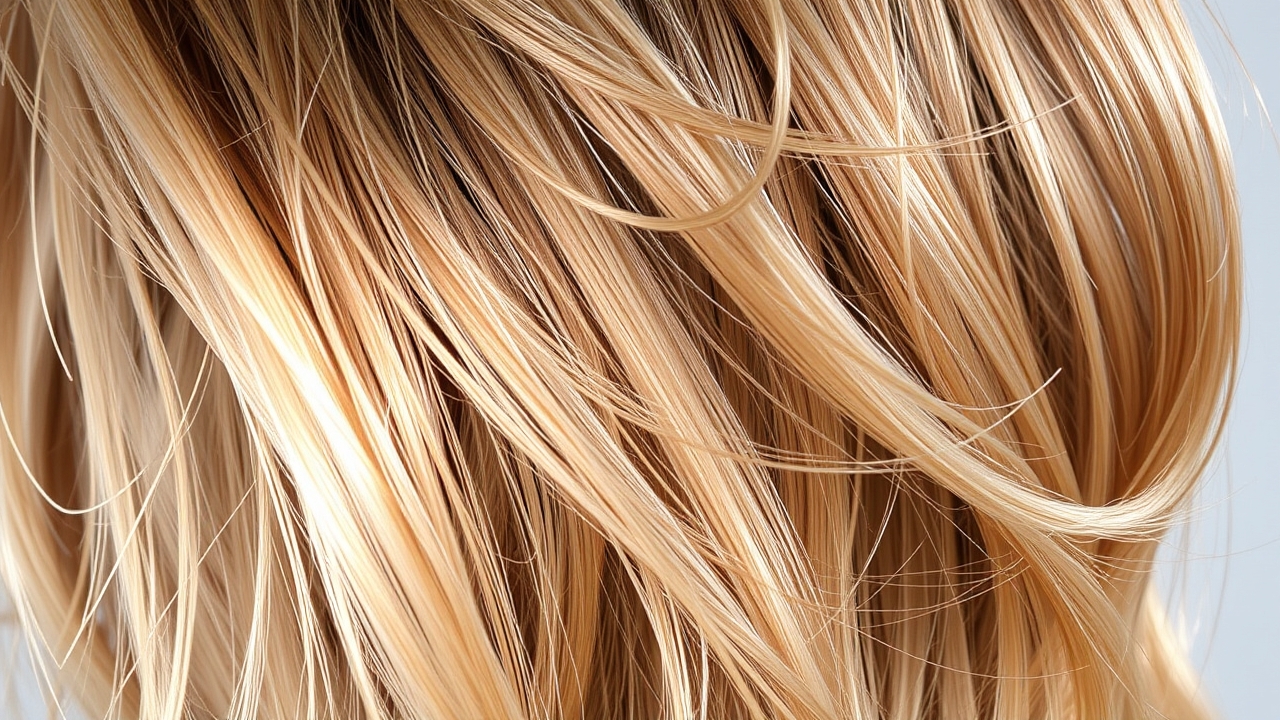
We’re not talking about a messy, unkempt look. We’re talking about intentional, strategic cuts that embrace how your hair grows, how it behaves, and how it fits into your daily schedule. A great low‑maintenance haircut looks as good after a shower as it does after a professional blow‑out.
The Philosophy of Easy‑Care Haircuts
Hair doesn’t grow in a straight line. It follows spirals, waves, or irregular zig‑zags. Cutting a blunt, straight‑across bob on a client with natural waves forces the hair to fight its own pattern, resulting in a “triangle” look that demands a flat iron every morning. That’s the opposite of a fuss‑free style.


The goal of an easy‑care cut is to create invisible layers that shed weight and encourage natural movement. These layers are built into the cut so that the hair settles into its own shape without the need for daily intervention. When you choose a style that complements your natural movement, you’re investing in a future where you can grab a coffee, head to a meeting, and still feel confident.
Top Styles for Low‑Upkeep Hair
Choosing the right silhouette depends on density, texture, and the amount of time you’re willing to spend each morning. Below are styles that consistently deliver minimal effort while maximizing style.
The Modern Shag
The shag is a masterclass in low‑maintenance design. Its choppy layers and heavy texture create a lived‑in, “just‑woke‑up” look that thrives on imperfection. If you have natural waves, the shag amplifies them; if your hair is straight, a light sea‑salt spray gives it the grit needed to hold shape without constant touch‑ups.
The Long Bob (Lob)
For those who want a bit more length without the weight of long, flowing locks, the lob—cut to the collarbone or just below the chin—is ideal. It’s long enough to pull back into a ponytail on hectic days, yet short enough to avoid the flat‑down weight that plagues longer styles. A lob transitions seamlessly from office to weekend.
The Textured Pixie
Short hair can feel intimidating, but a textured pixie changes the game. By keeping the sides slightly longer and adding layers on top, you create a wash‑and‑go look that looks intentional even after a quick comb. Fine‑haired clients often find this cut adds the illusion of volume without heavy styling.
Soft Layers for Long Hair
Long hair doesn’t have to be a maintenance nightmare. Avoid blunt ends, which can look heavy and dated. Instead, ask for face‑framing layers that break up weight and keep the hair from looking like a curtain. These layers give the strands a natural bounce and shape, even when you let them air‑dry.
Communicating with Your Stylist
Clients often say, “I want something easy,” but that vague request rarely translates into a cut that fits their lifestyle. When you sit in the chair, be specific:
- “I want a cut that works with my natural wave/curl/straightness.”
- “I only have about five minutes to style my hair in the morning.”
- “I prefer to air‑dry most of the time.”
- “I want a style that still looks good as it grows out.”
Showing your stylist photos that match your texture—not generic, straight‑bob images—helps them tailor the cut. When you’re honest about your routine, they can use point‑cutting or sliding techniques that soften edges and blend as the hair grows, extending the time between salon visits.
The Role of Texture and Density
Understanding your hair type is essential. Thick, dense hair needs a cut that removes bulk; fine, thin hair needs layers that add volume and prevent limpness. For a deeper dive into hair biology, check out Wikipedia’s hair page to see how strands behave.
Maintenance Tips for the Busy Woman
Even the best low‑maintenance haircut requires a touch of care to stay fresh. Here’s how to keep your style looking sharp with minimal effort.
Optimize Your Washing Routine
Washing every day can strip natural oils that keep hair healthy and styled. For wash‑and‑go looks, aim for a wash cycle of every two or three days. This allows the oils to provide a natural grip and shine, which helps the hair hold shape better than freshly washed, slippery strands.
Leverage a Good Leave‑In
If you air‑dry, a lightweight leave‑in conditioner or a light styling cream is essential. It tames frizz and encourages the hair to clump into its natural pattern, turning a messy look into a chic, effortless vibe. A small amount of product on damp hair can be the difference between a frizzy mess and a polished look.
Schedule Strategic Trims
Contrary to intuition, keeping a low‑maintenance cut often means more frequent trims—every eight to twelve weeks. Small “dusting” trims keep split ends at bay and segue the layers exactly where they should be, preventing the style from becoming unbalanced.
Customizing Your Look: Practical Scenarios
Below are three common lifestyles and the haircut that best suits each.
Scenario A: The Corporate Professional
Back‑to‑back meetings, tight deadlines, and a need for a polished look. A structured lob works wonders. It looks professional and “done” even if you simply smooth it with a touch of oil. No need for a curling iron or blow‑dry; the cut itself exudes authority.
Scenario B: The Active Lifestyle
Gym sessions, errands, and a fast pace demand a style that stays out of the face and requires minimal touch‑ups. A textured pixie or a short shag offers a “ready‑to‑go” vibe that can be tweaked with a quick comb or a light spray.
Scenario C: The Natural Beauty
Embracing curls or waves with minimal heat is the goal. A layered cut that respects the natural curl pattern removes weight from tectonic mid‑lengths and ends, allowing curls to bounce and define with ease. This is the pinnacle of low‑upkeep hair.
Common Mistakes to Avoid
Even with a perfect cut, these pitfalls can sabotage your low‑maintenance dream.
- Ignoring Hair Health: A cut can’t fix split ends that have traveled halfway up the strand. Prioritize healthy hair before cutting.
- Over‑using Heat: Daily high‑heat styling will eventually break the hair’s natural shape. Use heat sparingly and always with a heat protectant.
- Neglecting Product Knowledge: Low‑maintenance doesn’t mean zero product. The right product, in the right amount, can make the difference between a messy look and a polished one.
For more inspiration on finding your personal style, explore our guide on hair styling tips to see how different textures can be managed.
Summary of Benefits
- Time Savings: Reduced morning prep time means less stress and more time for what matters.
- Financial Savings: Fewer salon visits for complex styling and less spending on high‑end heat tools.
- Confidence: Knowing your hair looks good without effort boosts your day.
- Natural Beauty: These styles encourage you to embrace your unique texture rather than fight it.
Ultimately, the best haircut is the one that fits your life. If your days are fast‑paced, your hair should be too. Don’t be afraid to ask for a style that prioritizes ease of use—you deserve a look that works for you, not one that demands work every single day.
Frequently Asked Questions
What is the best low maintenance haircut for thin hair?
For thin hair, a blunt lob or a textured pixie cut adds the illusion of volume without heavy styling products or constant heat. The key is layers that lift the roots and create movement.
How often do I need to trim a low maintenance haircut?
Even for low‑upkeep hair, a trim every eight to twelve weeks keeps split ends at bay and preserves the shape of your layers.
Can I get a low maintenance haircut if I have curly hair?
Absolutely. Ask for layers that remove weight and prevent a “triangle” shape. A layered shag or a long, layered cut works beautifully with natural curls, letting them bounce naturally.
Will a low maintenance haircut look good if I air‑dry it?
Yes, provided the cut is designed for it. When you choose a style with internal layers and face‑framing pieces, the hair is more likely to settle into a pleasing shape when air‑drying.
Do I still need hair products with a low maintenance style?
A small amount of product—such as a leave‑in conditioner or a light cream—helps define natural texture and prevent frizz. The goal is to avoid heavy styling sessions while maintaining a polished look.
Leave a Reply