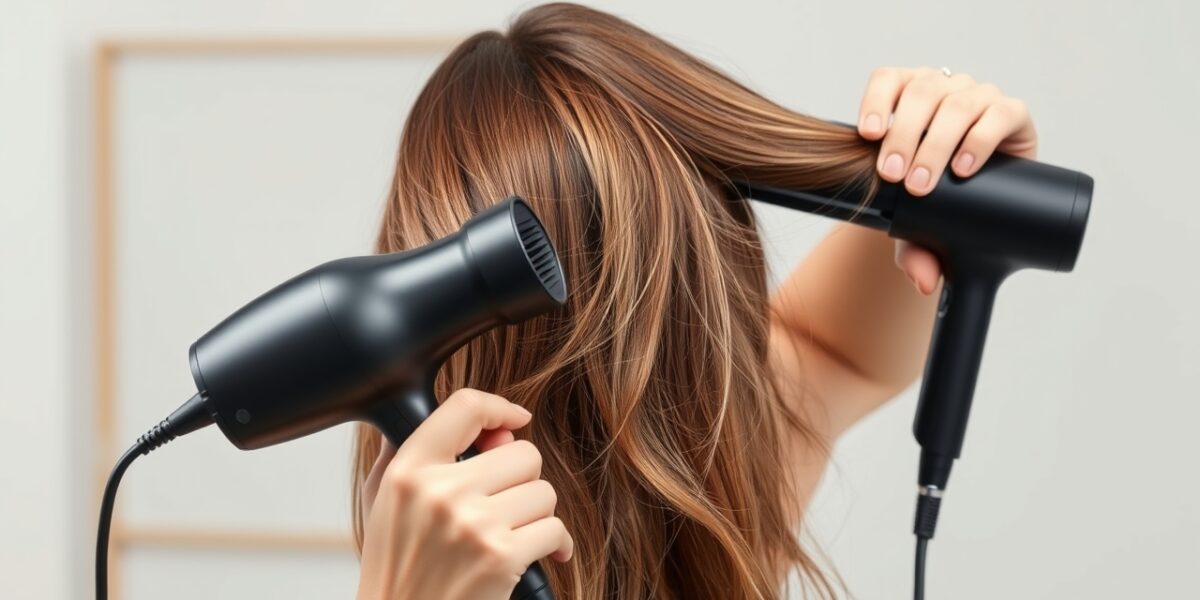
How to style frizzy hair for a smooth finish requires understanding the root causes of frizz and applying targeted techniques. Frizz often stems from dryness, humidity, or improper product use, but with the right approach, you can achieve frizz-free hair that looks polished and manageable. This guide covers step-by-step methods, tools, and tips to tame frizz and maintain a smooth texture throughout the day.
Understanding Frizz and Its Causes
Frizz occurs when hair cuticles lift due to moisture imbalance or mechanical stress. High humidity causes hair to absorb water, swelling the strands and creating frizz. Conversely, dry hair lacks moisture, leading to static and uneven texture. Additionally, over-washing or using harsh products can strip natural oils, exacerbating frizz. To style frizzy hair effectively, address these factors during preparation.
Assessing Your Hair Type
Not all frizzy hair is the same. Fine hair may frizz due to lack of volume, while thick or curly hair struggles with humidity. Identify your hair type—straight, wavy, or curly—and adjust your technique. For example, straight hair benefits from smoothing tools, while curly hair may require moisturizing products to combat frizz.


How Humidity Affects Different Hair Textures
Humidity is a major culprit for frizz, but its impact varies by hair type. Fine hair, which is naturally more porous, absorbs moisture quickly, leading to swelling and frizz. Curly hair, with its spiral structure, is prone to frizz when exposed to humidity because the cuticles lift to absorb water. Thick hair, while less absorbent, can still develop frizz if not properly hydrated. For instance, a person with wavy hair might notice frizz only in the crown area during a humid day, while someone with curly hair could experience widespread frizz. Understanding these nuances helps tailor your approach.
The Role of Product Overuse
Using too many products can paradoxically increase frizz. Heavy silicones or creamy conditioners may weigh down fine hair, causing it to lose volume and appear frizzy. Conversely, overusing oil-based products on thick hair can lead to greasiness, which disrupts the hair’s natural texture. For example, applying a thick serum to fine hair might result in a limp, frizzy look instead of a smooth finish. The key is to match product texture to hair type.
Preparation: The Foundation for Smooth Frizz-Free Hair
Proper preparation is critical when learning how to style frizzy hair. Start with clean, moisturized strands. Use a sulfate-free shampoo to avoid stripping natural oils, followed by a deep conditioning treatment. Apply a heat protectant before heat styling to prevent further damage. For anti-frizz styling, consider using a serum or oil to seal moisture and reduce static.
Step-by-Step Deep Conditioning Routine
To combat frizz, deep conditioning is essential. Begin by sectioning your hair into manageable parts. Apply a moisturizing conditioner or mask, focusing on the mid-lengths and ends. For example, use a protein-rich mask for damaged hair or a hydrating mask for dry strands. Leave it on for 10–15 minutes, then rinse thoroughly. For an extra boost, wrap your hair in a plastic bag or use a shower cap to enhance moisture retention. This step ensures your hair is fully hydrated before styling.
Choosing the Right Shampoo for Frizz-Prone Hair
Not all shampoos are created equal. Sulfate-free formulas are ideal because they don’t strip natural oils. Look for shampoos with ingredients like keratin or biotin, which strengthen hair. For example, a shampoo containing panthenol can help smooth the cuticle. Avoid clarifying shampoos, as they can exacerbate dryness. If your hair is particularly frizzy, consider a clarifying shampoo once a week to remove product buildup, but follow up with a deep conditioner.
Styling Techniques for a Smooth Finish
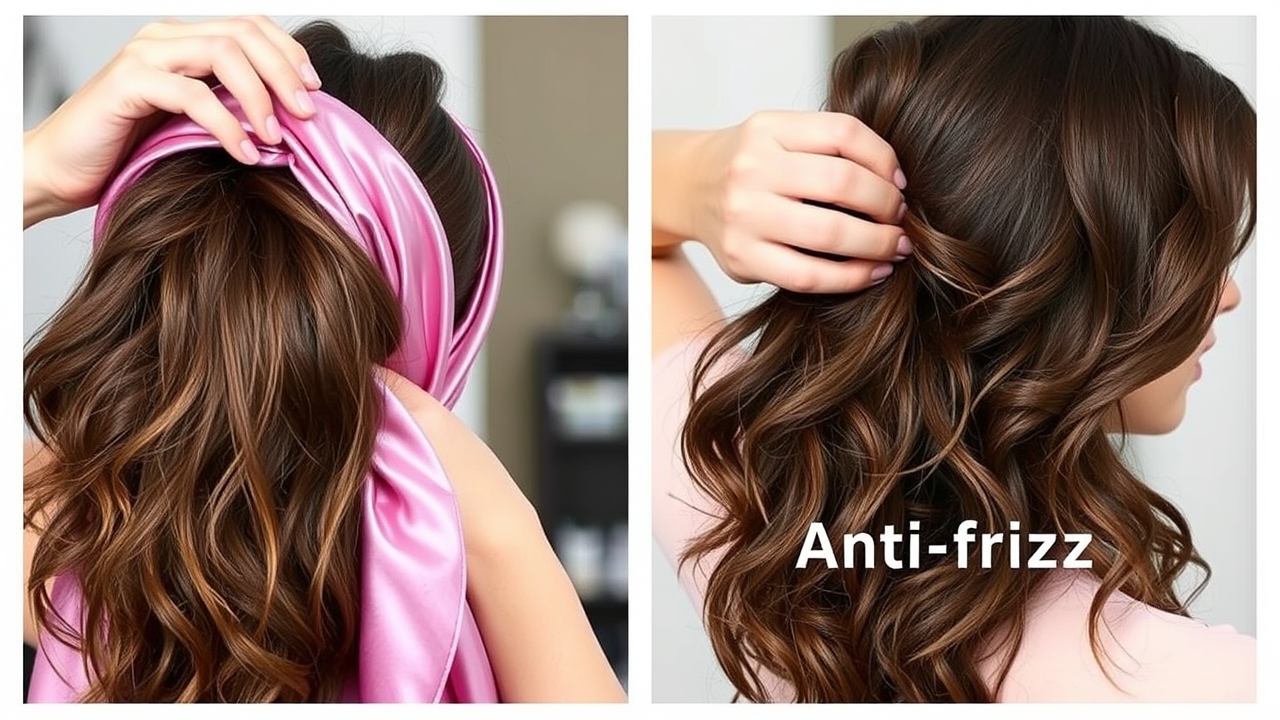
When learning how to style frizzy hair, focus on techniques that minimize friction and lock in moisture. Blow-drying with a round brush can add volume while smoothing cuticles. Alternatively, air-drying with a silk scarf or bonnet reduces heat damage. For a frizz-free result, use a flat iron on a low-to-medium heat setting, sectioning hair to avoid overlapping strands.
Blow-Drying for Volume and Smoothness: A Detailed Guide
Blow-drying is a powerful tool for taming frizz. Start by sectioning your hair into four parts. Use a round brush to smooth each section as you dry. This technique aligns the hair cuticles, reducing frizz. For fine hair, a diffuser attachment is ideal because it distributes airflow evenly, preventing heat from concentrating on one area. If you’re using a flat iron, ensure your hair is completely dry before starting. Apply a heat protectant and section the hair into 1-inch parts. Clamp the iron and glide it from roots to ends, using long, even strokes. Avoid backcombing, as it can create static and frizz.
Flat Ironing for Precision: Step-by-Step Instructions
Flat ironing is perfect for achieving a straight, frizz-free finish. Begin by sectioning your hair and clipping the rest. Apply a heat protectant and set the iron to 300–350°F (150–175°C) for fine hair or 350–400°F (175–200°C) for thick hair. Start at the roots, smoothing each section with the iron. For curly hair, use a lower heat setting to avoid damage. After straightening, apply a lightweight serum to seal moisture and prevent frizz from returning. For example, a serum with dimethicone can smooth the cuticle without weighing hair down.
Anti-Frizz Products and Natural Alternatives
Anti-frizz styling products can be game-changers when learning how to style frizzy hair. Silicone-based serums smooth the hair cuticle, while oil-based products like argan or jojoba oil add shine and seal moisture. Avoid heavy products that weigh hair down, as they can cause more frizz. Natural alternatives include applying a small amount of coconut oil or honey to damp hair before styling.
Serums vs. Oils: Which Is Right for Your Hair?
Serums are water-based and ideal for fine or oily hair, as they don’t weigh strands. Look for serums with ingredients like glycerin or panthenol. For example, a serum with keratin can strengthen weak hair. Oils, on the other hand, are better for thick or dry hair, providing deep hydration. Argan oil is a popular choice because it’s lightweight and rich in omega-3s. However, avoid overusing oils, as they can build up and cause greasiness. A good rule of thumb is to apply a dime-sized amount to the palms and massage into the hair.
Natural Remedies for Frizz Control
Natural alternatives are great for those who prefer chemical-free products. Coconut oil can be applied to damp hair to lock in moisture, while honey acts as a humectant, drawing water into the hair. For example, mix a teaspoon of honey with a tablespoon of water and apply to the ends of your hair before styling. Another option is using aloe vera gel, which has soothing properties that can calm frizz. However, these remedies may not be as long-lasting as commercial products, so they’re best used as a supplement.
Lifestyle Adjustments to Maintain a Smooth Finish
Even the best techniques for how to style frizzy hair can be undone by external factors. Humidity is a major culprit, so consider using a humidifier at home or carrying a microfiber towel to blot hair when caught in damp air. Avoid towel-drying vigorously, which can cause friction and lift cuticles. Instead, gently squeeze out water with a microfiber cloth.
Using a Humidifier for Home Care
A humidifier can significantly reduce frizz by maintaining optimal moisture levels in the air. Place it in your bedroom or bathroom to combat dry air. For best results, use a cool-mist humidifier, as hot mist can damage hair. If you’re traveling, consider a portable humidifier or a small bottle of leave-in conditioner to keep your hair hydrated in dry environments. Additionally, avoid using air conditioning in your car, as it can dry out your hair.
Protective Styling for Long-Term Results
Protective styles like braids, buns, or ponytails can minimize frizz by reducing daily manipulation. These styles keep hair contained and protected from environmental stressors. For a frizz-free look, ensure the style is not too tight, as tension can cause breakage and worsen frizz. Use a silk or satin pillowcase at night to prevent friction while sleeping. For example, a loose braid or a high ponytail can keep hair smooth overnight. If you’re using a wig or extensions, opt for a silk cap to reduce friction and maintain a smooth appearance.
Common Mistakes to Avoid
Many people make errors when trying to style frizzy hair. Over-brushing or using rough fabrics like cotton towels can create static. Similarly, applying too much product can weigh hair down, leading to more frizz. Another mistake is skipping heat protection when using tools. Always apply a heat protectant before blow-drying or flat-ironing to maintain a smooth finish.
Ignoring Hair Health
Healthy hair is less prone to frizz. Regular trims prevent split ends, which can contribute to a frizzy appearance. A balanced diet rich in protein and omega-3s supports hair strength. If your hair is frequently frizzy, consider consulting a stylist to address underlying issues like damage or improper care routines. For instance, if you notice excessive breakage, a protein treatment might be necessary to restore hair’s elasticity.
Using the Wrong Tools
Choosing the right tools is crucial. A brush with stiff bristles can damage hair, while a wide-tooth comb is gentler. For example, a boar bristle brush is ideal for smoothing frizzy hair. Avoid using a regular towel to dry your hair, as it can cause friction. Instead, use a microfiber towel or an old t-shirt to gently blot excess moisture. Similarly, using a flat iron with a ceramic plate ensures even heat distribution, reducing the risk of frizz.
FAQ: Your Questions About Styling Frizzy Hair Answered
- How to style frizzy hair for a smooth finish? Start by moisturizing your hair and using heat protection. Blow-dry with a round brush or flat iron on low heat, focusing on sectioning and smoothing techniques. Apply a serum or oil to seal moisture and prevent frizz from returning.
- What products work best for frizz-free hair? Look for silicone-based serums for fine hair or oil-based products like argan oil for thick hair. Avoid heavy formulas that can weigh hair down. Natural alternatives like coconut oil or honey can also help, but they may require more frequent reapplication.
- Can I style frizzy hair without heat? Yes, air-drying with a silk scarf or bonnet is an effective method. Use a leave-in conditioner to lock in moisture and smooth the cuticles. For a quicker fix, try a styling cream or mousse that provides hold without heat.
- How often should I deep condition frizzy hair? Deep conditioning should be done once a week for optimal results. If your hair is extremely dry or damaged, you can do it every 7–10 days. However, over-conditioning can lead to buildup, so balance it with regular clarifying treatments.
- Is it possible to achieve a frizz-free look in humid weather? Yes, but it requires extra care. Use a leave-in conditioner with humectants like glycerin to combat humidity. Carry a microfiber towel to blot your hair when caught in damp air. Avoid swimming or being in humid environments for extended periods without protection.
For further reading, see related references on Wikipedia.
Leave a Reply