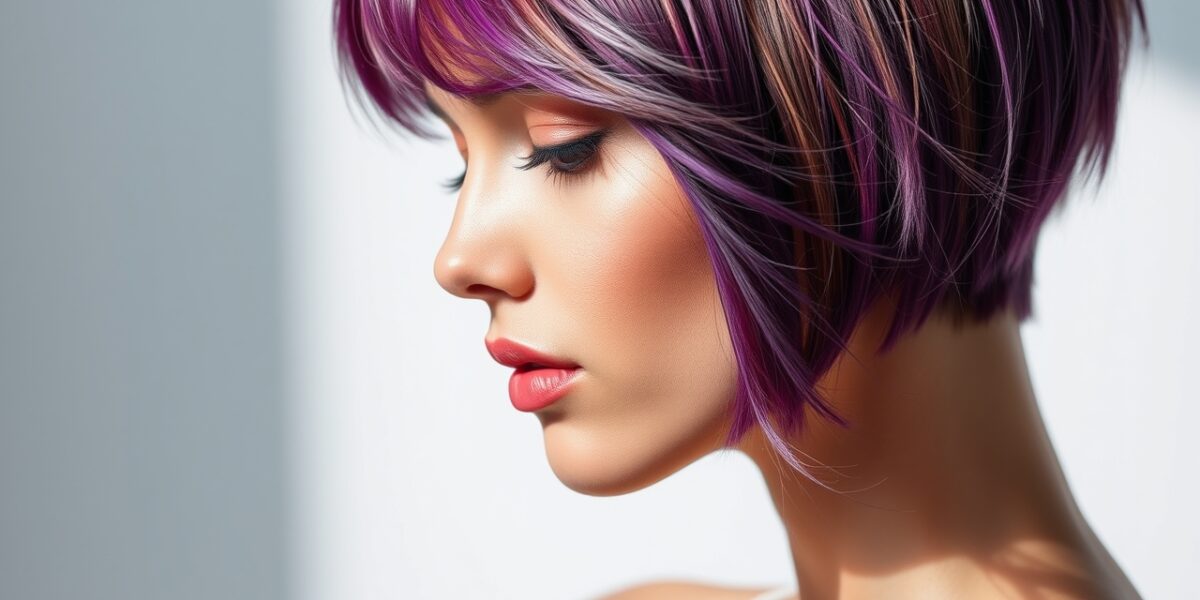
Short hairstyles for women have evolved from a bold rebellion to a mainstream staple, embraced by celebrities, influencers, and everyday women alike. Whether you’re seeking a low-maintenance option, a confidence-boosting change, or a way to adapt to your lifestyle, short cuts offer endless possibilities. This guide dives deep into the world of short hairstyles, offering detailed insights, real-world examples, and actionable advice to help you make an informed choice.
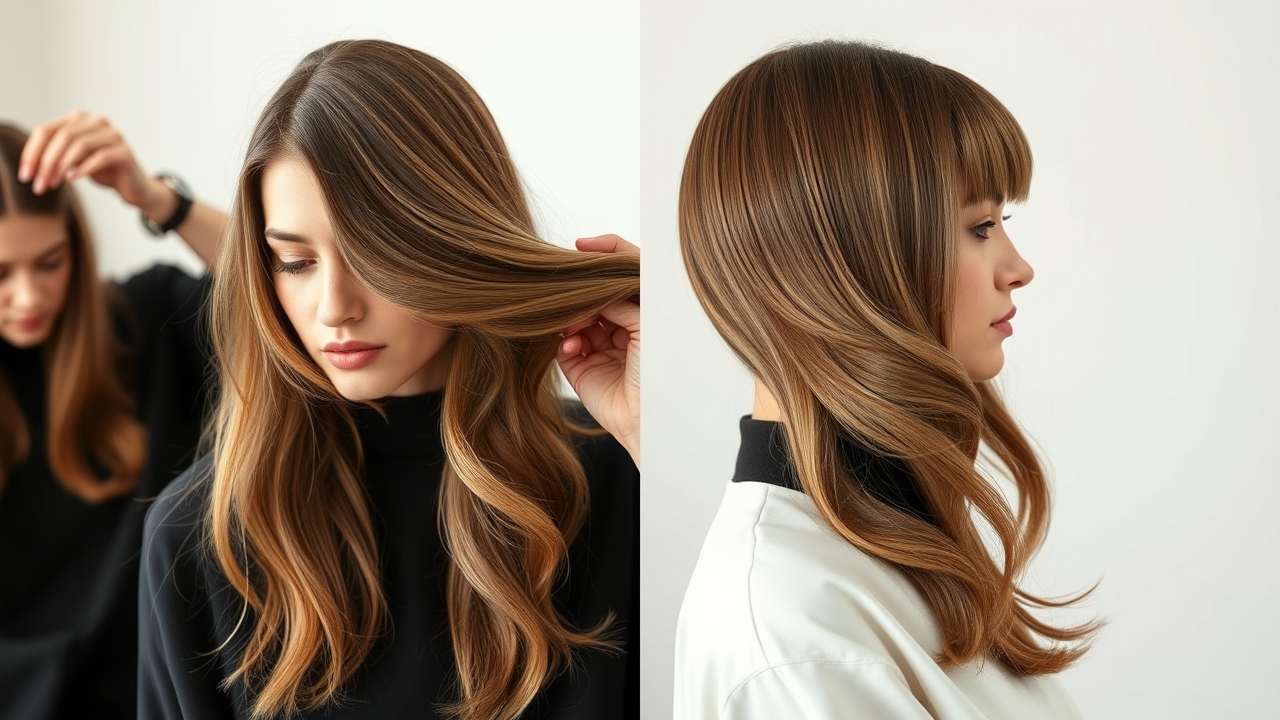
Why Short Hairstyles Reign Supreme
Short hairstyles for women aren’t just about trends—they’re a practical choice for modern living. With less time spent on styling and maintenance, these cuts are ideal for busy schedules. But beyond convenience, they offer a canvas for self-expression. From the edgy pixie to the sophisticated bob, short hairstyles can be tailored to your personality, face shape, and hair texture. Let’s explore why they’re a top choice and how to pick the right one for you.
Low Maintenance, High Impact
A short haircut eliminates the need for complex routines. Unlike long hair, which requires daily detangling, blow-drying, and heat styling, short cuts often need only a quick wash and a light product application. For example, a pixie cut can be styled in under five minutes with a texturizing spray or a quick blow-dry. This efficiency is a game-changer for women juggling work, family, or other commitments.


Versatility for Every Occasion
Short hairstyles for women can transition seamlessly from day to night. A sleek bob can be polished for a business meeting, while the same cut can be tousled with a texturizing mousse for a casual weekend look. The key is choosing a style that aligns with your lifestyle. For instance, a textured crop is perfect for a busy mom who needs a no-fuss style, while an asymmetrical cut might suit a creative professional looking to make a statement.
Confidence Through Simplicity
Short haircuts women often feel more confident because they’re less prone to frizz or tangles. A fresh cut can also feel like a personal reset, boosting self-esteem. Studies in psychology suggest that appearance significantly impacts confidence, and a well-chosen short cut can enhance this effect. For example, a woman who previously struggled with long hair might find a pixie cut empowering, as it shifts focus to her facial features and posture.
Top 10 Short Hairstyles for Women: Detailed Breakdown
1. Classic Pixie Cut: The Timeless Rebel
The pixie cut is a cornerstone of short hairstyles for women. Its defining feature is short sides and back with a slightly longer top, which can be styled in countless ways. For a deeper dive, here are variations:
- Micro-Pixie: Ultra-short, often below the ear. Perfect for those who want a bold, avant-garde look.
- Layered Pixie: Adds volume and movement, ideal for fine hair. Layers can be cut at different lengths to create dimension.
- Shaggy Pixie: Textured and slightly longer, this variation offers a relaxed, effortless vibe.
Real-world example: Model Bella Hadid often sports a layered pixie that balances her oval face shape. The layers add softness, while the short length keeps it manageable.
2. The Bob: A Versatile Workhorse
The bob is a staple in short hairstyles for women due to its adaptability. It can be tailored to suit any face shape or hair texture. Key variations include:
- Classic Bob: Ends at the jawline, straight or slightly wavy. A go-to for oval faces.
- Layered Bob: Adds volume and movement, perfect for fine or limp hair.
- Textured Bob: Features tousled layers for a casual, beachy look.
Pro tip: For a bob that flatters a round face, opt for a longer top to create the illusion of height. Celebrity example: Jennifer Aniston’s “The Rachel” bob remains iconic for its versatility.
3. Layered Crop: Volume for Fine Hair
Layered crops are a game-changer for women with fine or limp hair. The layers add thickness and prevent the hair from looking flat. Here’s how to maximize their effect:
- Short Layers: Cut at varying lengths (e.g., 1-2 inches) to create depth.
- Longer Layers: Extend slightly below the ear for a modern twist.
Example: A woman with fine hair might choose a layered crop with longer layers at the back to add volume without bulk.
4. Textured Crop: Embrace Your Natural Texture
This cut highlights natural curls or waves, making it ideal for curly or wavy hair. The texture adds movement, reducing the need for heavy styling products. Tips for success:
- Use a texturizing spray to enhance waves.
- Avoid over-brushing to maintain the natural look.
Real-life case: A woman with curly hair might opt for a textured crop with longer layers at the crown to define her curls.
5. Asymmetrical Cut: Make a Statement
An asymmetrical cut features uneven lengths, often with one side longer than the other. It’s perfect for those who want to stand out. Considerations:
- Balance is key—ensure the longer side doesn’t overwhelm your face.
- Works well with oval or heart-shaped faces.
Example: An asymmetrical pixie with a longer front can draw attention to the eyes, complementing a heart-shaped face.
6. Angled Bob: Soft Edges for Square Faces
The angled bob has a gentle slope from the front to the back, softening sharp jawlines. It’s ideal for square or angular face shapes. Styling tips:
- Add layers to the sides for a softer appearance.
- Use a curling iron for a subtle wave to add dimension.
Example: A woman with a square face might choose an angled bob with side layers to balance her features.
7. Undercut: Modern Edge with a Twist
The undercut features short sides and back with a longer top. It’s a bold choice that pairs well with low ponytails or messy buns. Considerations:
- The top length should be proportional to your face shape.
- Works best with medium to thick hair for volume.
Example: A woman with thick hair might opt for an undercut with a 3-inch top to create a striking contrast.
8. Shaggy Cut: Effortless and Flowing
The shaggy cut is layered and slightly longer, offering a carefree, beachy vibe. It’s perfect for those who want a low-maintenance style. Tips:
- Use a sea salt spray to enhance texture.
- Avoid heavy products that weigh the hair down.
Real-world example: A surfer or beachgoer might choose a shaggy cut to match their lifestyle.
How to Choose the Perfect Short Hairstyle for Your Face Shape
Your face shape plays a crucial role in determining the ideal short hairstyle for women. Here’s a detailed guide to help you match cuts to your features:
Oval Face: The Universal Flatterer
Oval faces are balanced and can pull off almost any cut. However, certain styles enhance their natural symmetry:
- Layered crops add volume to the sides.
- Pixie cuts with a longer top create a flattering contrast.
Tip: Avoid overly short cuts that might elongate the face.
Round Face: Add Height and Definition
Round faces benefit from cuts that create the illusion of length. Consider:
- Pixie cuts with a longer top to elongate the face.
- Layered bobs that add height at the crown.
Example: A round-faced woman might choose a pixie with a 4-inch top to balance her features.
Square Face: Soften the Jawline
Square faces have strong jawlines that can be softened with the right cut:
- Textured crops with layered sides to blend the angles.
- Angled bobs that slope gently from front to back.
Pro tip: Avoid cuts that add more width to the face, like a very short pixie.
Heart-Shaped Face: Balance the Forehead
Heart-shaped faces have a broad forehead and a narrow chin. Opt for:
- Pixie cuts with side bangs to distract from the forehead.
- Short bobs that add volume at the bottom.
Example: A heart-shaped face might benefit from a pixie with side bangs and a 3-inch top.
Long/Rectangular Face: Add Width
Long faces can be balanced with cuts that add width:
- Layered bobs with side layers to create fullness.
- Textured crops with volume at the sides.
Tip: Avoid very short cuts that might make the face appear longer.
Matching Short Hairstyles to Your Hair Texture
Hair texture is another critical factor. Here’s how to choose the right cut based on your hair type:
Fine Hair: Add Volume with Layers
Fine hair can appear flat or limp. Layers are key to creating volume:
- Layered crops or bobs with short, varied lengths.
- Avoid heavy products that weigh the hair down.
Example: A woman with fine hair might choose a layered bob with shorter layers at the back for added thickness.
Medium Hair: The Perfect Balance
Medium hair is versatile and can handle most short cuts. Consider:
- Pixie cuts with a moderate top length.
- Textured crops for a natural look.
Tip: Use a volumizing mousse to enhance body.
Coarse Hair: Softness and Control
Coarse hair can be prone to frizz. Opt for:
- Pixie cuts with smooth layers to reduce frizz.
- Textured crops with longer layers to add softness.
Example: A woman with coarse hair might choose a textured crop with longer layers to tame frizz.
Curly Hair: Embrace the Waves
Curly hair thrives with cuts that enhance its natural texture:
- Textured crops or layered bobs that define the curls.
- Avoid overly straight styles that flatten the waves.
Pro tip: Use a curl-enhancing product to maintain definition.
Styling Short Hairstyles: Tips for Daily Success
Short hairstyles for women require different styling techniques than long hair. Here are actionable tips:
Daily Routine for Short Hair
Keep your short cut looking fresh with a simple routine:
- Wash: Use a sulfate-free shampoo to avoid stripping natural oils.
- Condition: Apply a lightweight conditioner to the ends to prevent dryness.
- Dry: Air-dry when possible; use a diffuser for curls to avoid heat damage.
- Style: A texturizing spray or light mousse can add dimension without stiffness.
Styling Tools for Short Cuts
Invest in tools that suit your hair type:
- Blow dryer with a diffuser for curly hair.
- Straightener for sleek bobs or pixies.
- Texturizing spray for added volume and grip.
Example: A woman with straight hair might use a flat iron to achieve a polished bob, while someone with curly hair could use a diffuser to enhance their waves.
Weekly Maintenance Tips
Prevent split ends and maintain shape with these weekly practices:
- Trim every 6–8 weeks to keep the cut looking sharp.
- Deep condition once a week to nourish the ends.
- Avoid over-brushing, which can cause frizz.
Color Options for Short Hairstyles: From Subtle to Bold
Short hair is a perfect canvas for color experimentation. Here’s how to approach it:
Highlights and Balayage
These techniques add dimension without full commitment:
- Highlights: Subtle streaks that blend with your natural color.
- Balayage: Hand-painted strokes for a sun-kissed look. Ideal for bobs or pixies.
Example: A woman with dark hair might choose balayage to add warmth without a full dye job.
Ombre: A Gradient Effect
Ombre works well on bobs, transitioning from dark roots to lighter ends. Tips:
- Use a gradual fade for a natural look.
- Avoid harsh lines that can look dated.
Real-world example: A bob with an ombre effect can add depth and movement.
Bold Colors: Make a Statement
For the adventurous, bold colors like neon or pastels can transform a short cut:
- Pixie cuts in vibrant shades like electric blue or hot pink.
- Textured crops with ombre effects for a playful look.
Pro tip: Start with a single strand of color to test the look before committing to a full dye.
Transitioning to a Short Hairstyle: A Step-by-Step Guide
Changing to a short hairstyle can be daunting, but with planning, it’s manageable. Follow this guide:
Step 1: Consult with a Stylist
Bring photos of your desired cut and discuss your face shape, hair texture, and lifestyle. A good stylist will tailor the cut to your needs. For example, if you have fine hair, they might recommend a layered crop to add volume.
Step 2: Test the Cut Gradually
Start with a small trim to see how the new length feels. This helps avoid a drastic change that might not suit you. For instance, if you’re used to long hair, a 2-inch trim can help you adjust before a full pixie.
Step 3: Prepare Your Scalp
Short cuts reveal the scalp more, so keep it healthy. Use a gentle scalp scrub and moisturizer to prevent dryness or flakiness.
Step 4: Adjust Your Routine
Short hair requires different products. Replace volumizing mousse with a lightweight serum or a texturizing spray. For example, switch from a heavy conditioner to a leave-in conditioner for fine hair.
Step 5: Embrace the Change
Short hair can feel liberating. Experiment with styling to find what works best. For instance, try different partings or updos to keep your look fresh.
Common Mistakes to Avoid with Short Hairstyles
Even the best-cut can fail if you make these errors:
Ignoring Face Shape
Choosing a cut that doesn’t complement your face shape can lead to an unbalanced look. For example, a very short pixie might elongate a round face instead of balancing it.
Neglecting Hair Texture
A cut that doesn’t match your hair type can result in frizz or limpness. A textured crop is ideal for curly hair, while a layered bob suits fine hair.
Skipping Regular Trims
Split ends can ruin the shape of a short cut. Schedule trims every 6–8 weeks to maintain sharp lines and prevent damage.
Overusing Heat Styling
Even short hair can suffer from heat damage. Limit the use of straighteners or curling irons and opt for air-drying or heat protectants.
Failing to Experiment
Short hair is meant to be versatile. Don’t stick to one style—try different products, partings, or updos to keep it interesting.
Frequently Asked Questions (FAQ)
1. What are the best short hairstyles for women with oval faces?
Oval faces are versatile, but certain cuts enhance their symmetry. A layered bob or a pixie with a longer top works well. These styles add volume to the sides and balance the face’s proportions. For example, a layered bob with side layers can create a flattering contrast.
2. How often should I trim my short haircut?
Short haircuts for women should be trimmed every 6–8 weeks to maintain shape and prevent split ends. Frequent trims keep the cut looking sharp and healthy. If you notice split ends or frizz between trims, consider a touch-up sooner.
3. Can I color my short hair?
Absolutely! Short hair is ideal for color experimentation. Highlights, balayage, or ombre techniques work beautifully. For instance, a pixie with balayage adds dimension without a full dye job. Start with a single strand of color to test the look before committing.
4. What products are best for styling short haircuts?
Lightweight products are key for short hair. A texturizing spray or a lightweight mousse adds volume without weighing the hair down. For curly hair, a curl-enhancing cream or a sea salt spray can define waves. Avoid heavy gels or lotions that can make the hair look flat.
5. Will a short cut make my face look smaller?
A well-chosen short cut can balance your face shape. For example, a pixie with a longer top can create the illusion of height for a round face. Conversely, a very short cut might elongate a long face. Consult a stylist to find a cut that complements your features.
Conclusion
Short hairstyles for women are more than just a trend—they’re a practical, stylish choice that adapts to your lifestyle and personality. By considering face shape, hair texture, and maintenance needs, you can find a cut that feels uniquely yours. Whether you opt for a classic pixie, a layered bob, or a bold color, the key is to experiment and embrace the change. For more inspiration, explore our gallery at Hairdresser Woman.
Leave a Reply