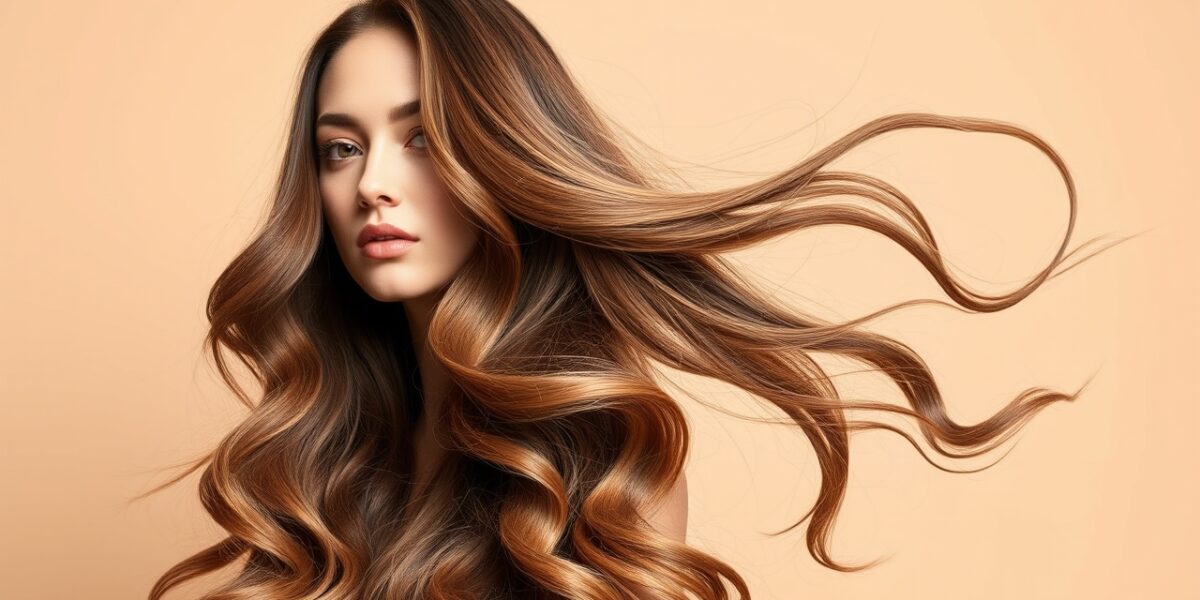
For many, the search for the perfect hairstyles for round faces feels like a battle against geometry. When your face width and length are nearly identical, with soft jawlines and full cheeks, the goal isn’t to ‘hide’ your features—it’s to play with perspective. While a round face often reads as youthful and soft, the right cut can introduce the structure and angles that make a look feel more polished and intentional.
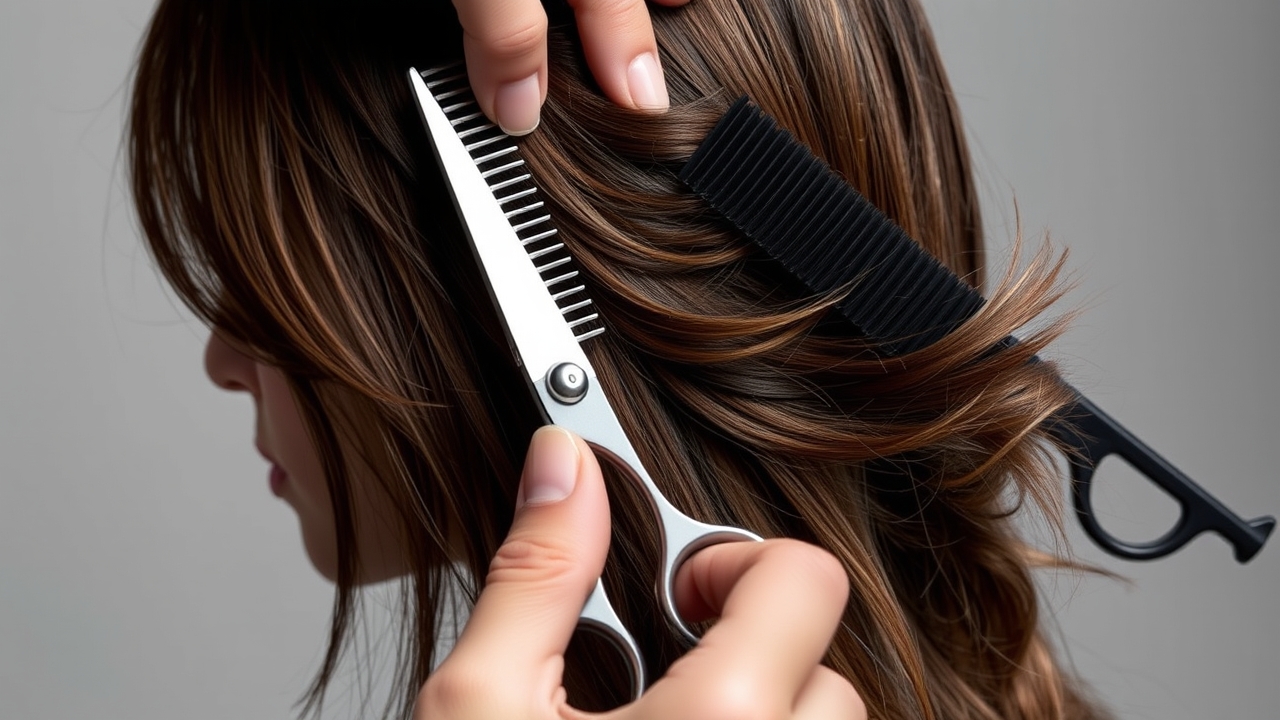
Having spent years in the chair observing how different textures interact with bone structure, I’ve learned that the secret isn’t in the length of the hair, but in where the volume lives. By shifting the focus upward or creating diagonal lines across the face, you can effectively reshape the visual silhouette. This isn’t about following a rigid rulebook; it’s about using hair as a tool for contouring.
The Geometry of a Round Face: Why Certain Cuts Work
To understand why some styles fail while others flourish, we have to look at the silhouette. A round face typically lacks the sharp angles found in square or heart shapes. The widest point is usually the cheekbones, and the chin curves gently rather than tapering to a point. If you’re unsure, try the ‘mirror trace’ trick: stand in front of a mirror and trace your reflection’s outline with a piece of soap or a lipstick. You’ll likely see a soft, circular orbit.


When selecting hairstyles for round faces, the objective is to break up this circularity. We want to introduce verticality. This is why a heavy, blunt fringe often feels ‘off’—it creates a harsh horizontal line that essentially chops the face in half, emphasizing width. In contrast, side-swept bangs or curtain fringes create diagonal paths for the eye to follow, which naturally elongates the appearance of the face.
Short and Bold: High-Impact Cuts for Round Faces
There is a persistent myth that short hair is the enemy of the round face. In reality, the wrong type of short hair is the problem. A cut that hugs the skull or ends abruptly at the jawline will only act as a frame for the roundness. The key to winning with short hair is height and texture.
The Voluminous Textured Pixie
A pixie cut is a power move for round faces, provided it isn’t flat. Instead of a uniform crop, ask your stylist for significant length and texture on top. By styling the crown with a bit of pomade or volumizing powder to create lift, you add vertical inches to your head shape. This draws the observer’s eye upward, shifting the focus away from the cheeks and creating a more oval impression.
The Asymmetrical Bob
The classic, chin-length ‘bubble’ bob is a risk because it mirrors the roundness of the jaw. However, the asymmetrical bob is a game-changer. By keeping one side longer than the other, you create a sharp, diagonal line that slices through the symmetry of the face. This asymmetry tricks the eye into seeing angles where there are curves, providing an instant slimming effect.
The Choppy Lob (Long Bob)
The ‘Lob’ is the gold standard for those who want a short-ish look without the commitment of a pixie. To make this work for a round face, the length must fall several inches below the chin. This creates a vertical frame that pulls the gaze downward. Adding choppy, internal layers prevents the hair from looking like a heavy block, adding the movement needed to soften the fullness of the cheeks.

Long Hair Strategies: Creating Length and Flow
Long hair is a natural ally for round faces because it inherently provides the vertical lines we’re looking for. However, long hair that is one length and flat can actually act like a curtain, making the face appear wider by comparison. The secret here is strategic layering.
Cascading Layers and Face-Framing
Layers are non-negotiable for long hair on a round face. The trick is where they start. Layers that begin at the chin or slightly below create a cascading effect that elongates the neck and face. Face-framing pieces—shorter strands that sweep from the cheekbones downward—act as a physical contour, carving out the appearance of a more defined jawline and higher cheekbones.
The Power of the Deep Side Part
If you’re looking for an immediate change without a haircut, move your part. A center part can often highlight the symmetry of a round face, making it look more circular. A deep side part, however, creates an asymmetrical balance. It adds volume to one side of the crown and creates a diagonal line across the forehead, which is one of the most effective ways to break up roundness.
Textured Beach Waves
Avoid pin-straight hair that clings to the face, as this can emphasize the width of the cheeks. Instead, opt for loose, undone beach waves. By adding volume to the hair around the face rather than just at the sides, you create a balanced proportions. The texture adds a level of complexity that distracts from the simplicity of a round silhouette.
The Mid-Length Sweet Spot: Versatility and Edge
Mid-length hair is often the most flattering territory because it allows for the most structural manipulation. If you’re searching for the best hair for round face shapes in this length, look toward the ‘Shag’ or the ‘Wolf Cut.’
The Modern Shag
The shag is back, and it’s perfect for round faces. Because the shag is built on a foundation of choppy, mismatched layers, it is inherently asymmetrical. The abundance of volume at the crown and the wispy ends take the focus off the width of the face and place it on the edgy, effortless texture of the cut.
Curtain Bangs: The Universal Fix
Curtain bangs are essentially the ‘contouring’ of the hair world. By parting in the middle and sweeping outward toward the cheekbones, they create an inverted ‘V’ shape on the forehead. This open space at the top adds perceived length to the face, while the sweeping sides hide the widest part of the cheeks.
Hair Contouring: Using Color to Shape the Face
Cut is only half the battle; color is the secret weapon. Just as makeup artists use bronzer to create shadows, you can use hair color to ‘contour’ your face shape.
- Lowlights at the Perimeter: Adding slightly darker tones around the jawline and the sides of the face creates a shadow effect, making the face appear narrower.
- Root Smudging/Shadow Roots: Keeping the roots a shade or two darker than the mid-lengths adds depth at the top of the head, which enhances the illusion of height.
- Balayage and Ombre: A vertical gradient—darker at the top and lighter toward the ends—naturally draws the eye downward, emphasizing length over width.
Pro Styling Tips for Daily Definition
A great cut can be undone by flat styling. For round faces, the mantra is lift at the root. I always recommend a lightweight volumizing mousse or a root-lift spray. When blow-drying, use a round brush to pull the hair upward and away from the scalp at the crown; this creates the verticality needed to balance the cheeks.
If you have fine hair that tends to collapse, a bit of dry shampoo or texturizing spray can add the ‘grit’ necessary to keep your volume from falling flat. For those with thick hair, ensure your stylist removes bulk from the sides to avoid the ‘triangle’ effect, which can inadvertently make a round face look wider.
For more professional guidance on maintaining your cut and keeping your hair healthy, visit hairdresserwoman.com for expert styling tutorials.
The ‘Avoid’ List: Common Pitfalls
To keep your look streamlined and flattering, try to steer clear of these three common mistakes:
- The Blunt Chin-Length Bob: This creates a horizontal line exactly where the face is widest, emphasizing the circularity.
- Heavy, Straight-Across Bangs: These ‘close off’ the face, making it appear shorter and wider.
- Flat Crown Volume: Hair that sits tight to the scalp removes the vertical dimension, making the face appear larger.
Quick Reference: Best Styles for Round Faces
| Hair Length | Recommended Style | Primary Benefit |
|---|---|---|
| Short | Textured Pixie | Adds essential height at the crown |
| Medium | Asymmetrical Lob | Breaks facial symmetry with diagonal lines |
| Long | Long Layers | Creates verticality and elongates the silhouette |
Ultimately, the best hairstyle is the one that makes you feel confident. While the science of face shapes provides a great starting point, your personal style and hair texture are the final deciding factors. Don’t be afraid to experiment with a new part or a few face-framing layers to see what clicks.
If you’re interested in the deeper biological reasons behind how we perceive beauty and balance, you can explore the concept of facial symmetry on Wikipedia.
Frequently Asked Questions
What are the best hairstyles for round faces with short hair?
Focus on height and asymmetry. A textured pixie with volume on top or an asymmetrical bob that falls below the chin are the best choices. Avoid blunt cuts that end exactly at the jawline, as these can make the face look wider.
Can I have bangs if I have a round face?
Yes, but the style of the bang matters. Avoid heavy, blunt-cut fringes. Instead, go for curtain bangs, side-swept fringes, or wispy ‘bottleneck’ bangs. These create diagonal lines that draw the eye inward and downward, elongating the face.
Will long hair make my face look rounder?
Only if it’s flat and one length. Long hair is actually great for round faces because it adds verticality. To maximize the effect, incorporate long layers and avoid a strict center part if you feel it’s highlighting too much symmetry.
How can I use hair color to slim my face?
Think of it as ‘hair contouring.’ Use darker tones (lowlights) on the sides of your face to create shadow and depth, and use lighter highlights at the crown or in the front layers to draw attention upward and create a sense of lift.
Does hair volume affect how round my face looks?
Absolutely. Volume at the sides (near the cheeks) adds width, which usually isn’t the goal for round faces. However, volume at the crown adds height, which balances the proportions and makes the face appear more oval.
Leave a Reply