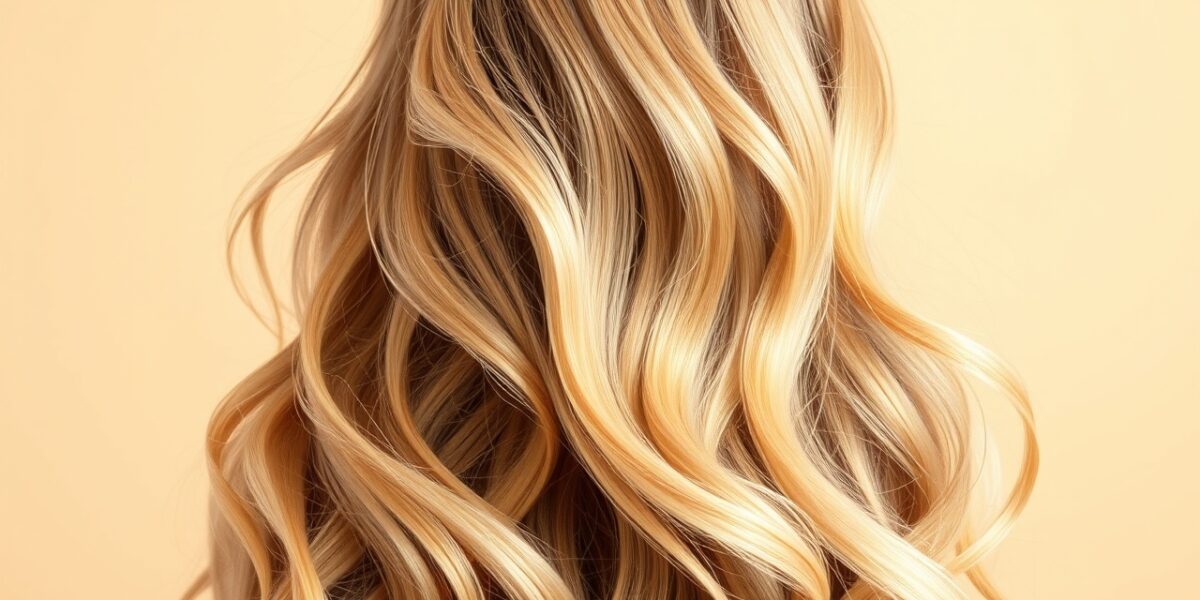
Choosing between balayage vs highlights is one of the most common dilemmas I encounter when clients sit in my chair. You want a transformative change, you want to look radiant, but you aren’t quite sure if you want the structured, high-definition look of traditional foils or the effortless, artistic flow of a modern technique. Understanding the nuance between these two methods is essential before you commit to a salon appointment, as the visual results—and the lifestyle maintenance required—are vastly different.
Understanding the Core Concepts
To make an informed decision, we have to look at how lightener is actually applied to your hair. While both techniques aim to brighten your hair, the application method dictates the final aesthetic and how the color evolves over several months of growth.
What is Balayage?
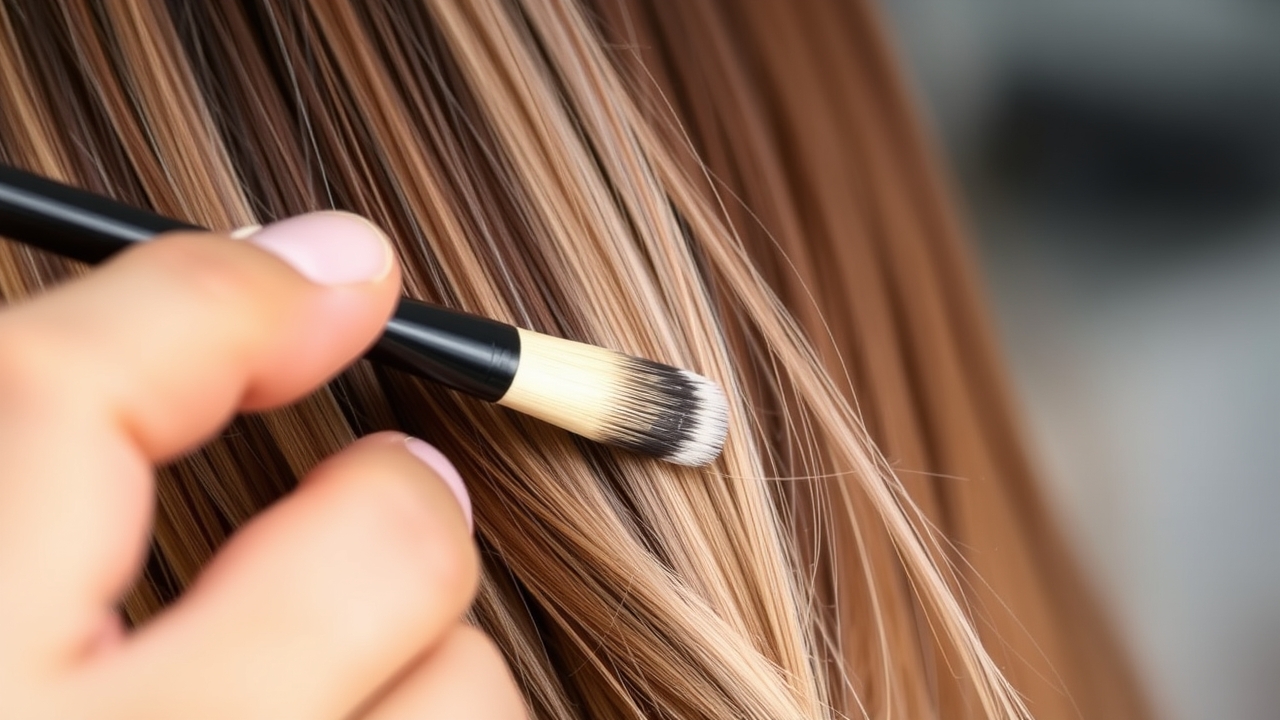
The word ‘balayage’ comes from the French verb meaning ‘to sweep.’ This is exactly what a stylist does. Instead of using foils to section off hair, the colorist uses a brush to hand-paint lightener onto the surface of the hair strands. This technique allows for a highly customized, organic look. Because the colorist controls exactly where the lightener hits, they can create a gradient effect that mimics how the sun naturally hits your hair. This results in a soft, blended look with no harsh lines or ‘tripey’ patterns.


What are Highlights?
Traditional highlights involve a more structured, technical approach. A stylist typically uses foils to isolate specific sections of hair. A chemical lightener is applied to the hair inside the foil, which traps natural heat and helps the hair lift more evenly and more intensely. This method allows for very precise, consistent, and uniform color throughout the hair. If you want a very specific level of lightness or a very structured pattern of color, foils are the industry standard.
The Balayage Difference: Visual and Structural
When clients ask about the balayage difference, they are usually talking about the visual outcome. Let’s break down the visual differences through several lenses:
- Gradient vs. Uniformity: Balayage creates a beautiful, seamless transition from your natural root color to the lighter ends. Highlights, especially traditional ones, often create a more consistent pattern of color from the root down, which can lead to a visible ‘line of demarcation’ as your hair grows out.
- Dimension: Because balayage is hand-painted, it creates varying levels of saturation. Some strands might be lighter than others, creating a multi-dimensional, ‘lived-in’ look. Highlights tend to be more monochromatic and uniform in their lightness.
- Placement: With balayage, the placement is strategic and artistic. I can focus on the face-framing pieces or the ends of the hair. With highlights, the color is often distributed more evenly throughout the entire head.
If you want to learn more about the chemistry of hair coloring, you can read about hair dye properties and how pigments interact with hair cuticles.
Foils vs Balayage: The Technical Breakdown
When we compare foils vs balayage, we are looking at the science of hair lifting. This is a crucial distinction for anyone with dark or stubborn hair.
The Power of Foils
Foils serve two main purposes: they keep the lightener from drying out and they trap the natural heat from your scalp. This heat accelerates the chemical reaction, allowing the hair to reach a much higher level of lightness. If you are a brunette looking to go platinum or a very dark blonde looking for a significant change, foils are often necessary to achieve that level of lift. The downside? Because the heat is trapped, the transition can be quite sharp, requiring more frequent salon visits to manage the regrowth.
The Art of the Brush
Balayage is a more ‘open’ technique. Since the hair isn’t wrapped in foil, it doesn’t benefit from that trapped heat. This means it might take longer to achieve a high level of lift, or it might not be able to reach the same extreme levels of lightness as foils in a single session. However, this ‘limitation’ is actually a benefit for many. It allows for a much softer regrowth. When your hair grows out, the transition from your natural color to the balayage color is so gradual that you might not even notice it for months.
Which is Better Hair for Your Lifestyle?
The question of which is better hair depends entirely on how much time and money you want to spend at the salon. I always tell my clients to think about their ‘aintenance personality.’
The Low-Maintenance Client
If you are someone who only wants to visit the salon twice a year, balayage is your best friend. Because the color is blended and doesn’t start right at the root, the regrowth is incredibly subtle. You can enjoy a beautiful, sun-kissed look without the stress of a visible root line appearing in six weeks. It is the ultimate ‘lived-in’ look for the busy professional or the traveler.
The High-Maintenance/High-Impact Client
If you want a very specific, high-contrast look—like bright platinum streaks against dark hair—highlights are the winner. This look is striking and incredibly glamorous, but it requires commitment. You will likely need a salon visit every 6 to 8 weeks to maintain the precision of the highlights and to manage the regrowth at the roots. If you love the feeling of perfectly uniform, bright hair, the maintenance is worth it.
Cost Considerations: Why Prices Vary
You might notice that balayage and highlights have different price points on a salon menu. This isn’t just about the amount of product used; it’s about the time and skill involved.
- Highlights (Foils): This is often a more predictable process. The stylist sections the hair, foils it, and waits. While it takes time, the technique is very standardized.
- Balayage: This is an art form. It requires a high level of skill to hand-paint the hair so that it blends perfectly. It requires more time spent looking at the hair and making micro-adjustments with the brush. Because it is a custom service, the price often reflects that specialized artistry.
For more tips on maintaining your color at home, check out our guide on hair care routines.
How to Choose: A Step-by-Step Guide
Before you book that appointment, I want you to ask yourself these four questions:
1. What is my natural hair color and how dark is it?
If you have very dark hair and want to go significantly lighter, you may need a combination of techniques (sometimes called ‘foilyage’) to get the lift you need while still maintaining a soft blend. Pure balayage on very dark hair can sometimes look subtle rather than transformative.
2. How much time do I want to spend in the salon chair?
Highlights can sometimes be faster if the stylist is using a cap or quick-foiling method, but the regrowth will bring you back more often. Balayage takes time in the chair during the application, but you’ll be back much less frequently.
3. What is my ideal aesthetic?
Do you want a ‘un-kissed’ look that looks like you spent a summer at the beach? Go balayage. Do you want a ‘alon-perfect’ look with distinct, bright ribbons of color? Go highlights.
4. What is my budget for maintenance?
Calculate not just the cost of the service, but the cost of the extra appointments over a year. Often, the slightly higher cost of balayage pays for itself because you visit the salon fewer times per year.
Common Myths and Misconceptions
I hear a lot of confusion regarding these techniques. Let’s clear a few things up.
Myth: Balayage is just another word for Ombre.
This is a common mistake. Ombre is a specific technique where the hair is color-blocked, creating a very distinct, heavy transition from dark to light. It is much more dramatic and less blended than balayage. Balayage is about soft, natural transitions; ombre is about a bold, intentional gradient.
Myth: Highlights always damage your hair more.
Not necessarily. Damage is caused by the chemical process and the level of lift, not the application method. However, because highlights often aim for higher levels of lift (using foils), they can sometimes pose a higher risk if not managed correctly. A skilled stylist will always prioritize the health of your hair, regardless of the technique.
Myth: You can’t do both.
Actually, many stylists use a hybrid technique. We might use foils for the hair around your face to ensure brightness (known as a ‘oney piece’) and then use balayage throughout the rest of the hair to create a seamless blend. This gives you the best of both worlds: precision where you need it and a soft blend everywhere else.
Summary Comparison Table
| Feature | Balayage | Highlights |
|---|---|---|
| Application Method | Hand-painted with a brush | Sections with foils |
| Visual Effect | Natural, sun-kissed, blended | Structured, uniform, defined |
| Maintenance Level | Low (soft regrowth) | High (visible regrowth) |
| Complexity | High (requires artistic skill) | Medium (standardized technique) |
| Ideal For | Lived-in, natural look | High-contrast, bright look |
Final Thoughts
Ultimately, there is no wrong choice, only the choice that best fits your lifestyle and your vision. Whether you want the effortless, blended beauty of balayage or the striking, precise impact of highlights, the most important thing is to communicate clearly with your stylist. Show them photos, talk about your morning routine, and be honest about how often you want to be in the salon chair.
Frequently Asked Questions
What is the main difference in balayage vs highlights?
The main difference lies in the application and the regrowth. Highlights use foils to create uniform, consistent color from the root, while balayage is hand-painted for a more natural, blended, and sun-kissed effect that grows out seamlessly.
How long does balayage last?
Because balayage is applied to the mid-lengths and ends of the hair, the regrowth is very subtle. Most clients can go 4 to 6 months between appointments without seeing a harsh line.
Is balayage more expensive than highlights?
It depends on the salon, but balayage often carries a higher price tag due to the time and specialized skill required for hand-painting. However, because you visit the salon less frequently, it can be more cost-effective in the long run.
Can I get both balayage and highlights?
Yes! Many stylists use a combination of both techniques to achieve a customized look, such as using highlights for face-framing brightness and balayage for a seamless blend through the rest of the hair.
Will balayage work on dark hair?
Yes, but it may require multiple sessions to reach your desired level of lightness. Because balayage doesn’t use foils to trap heat, it may not lift as intensely in a single session as traditional highlights would.
Leave a Reply