how to grow your hair longer is a question that sits at the heart of every hair care routine. While genetics set the baseline, the daily habits you adopt can make a noticeable difference in how fast your hair reaches the length you desire. Many people focus solely on speed, but the real secret lies in retention. If your hair is growing at the roots but breaking off at the ends, you will never see the progress you crave.
Understanding the Science: The Hair Growth Cycle
Before you can master the art of length retention, you need to understand the hair growth cycle. Hair does not grow at a constant rate indefinitely; it moves through three distinct biological stages:
- The Anagen (Growth) Phase: This is the active phase where cells in the root divide rapidly. The length of this phase is determined by your genetics; some people have an anagen phase that lasts 2 years, while others have 7 years. A longer anagen phase means more time for your strands to elongate before they naturally fall out.
- The Catagen (Transition) Phase: This is a short period where the hair follicle shrinks and detaches from the blood supply.
- The Telogen (Resting) Phase: The follicle rests while a new hair begins to form underneath. Eventually, the old hair is pushed out.
While you can’t change your genetic blueprint, you can optimize your internal and external environment to ensure your anagen phase is as healthy and productive as possible.


Nutrition: Fuel for Fast Growth
Your hair is a non-essential tissue in the eyes of your body. When nutrients are scarce, your body redirects them to vital organs first, leaving your hair follicles undernourished. To maximize growth, you must treat your diet as a foundation for hair health.
Essential Nutrients for Long Hair
- Protein: Hair is primarily composed of a tough protein called keratin. If you aren’t consuming enough protein, your body may pause hair production to conserve resources. Aim for 1.0–1.2 grams of protein per kilogram of body weight daily. High-quality sources include eggs (which also contain biotin), lean poultry, lentils, tofu, and Greek yogurt.
- Biotin & Vitamin B Complex: B vitamins are essential for the production of red blood cells, which carry oxygen to the hair follicles. Biotin, specifically, is a powerhouse for keratin production. Incorporate nuts, seeds, whole grains, and leafy greens into your daily meals.
- Omega-3 Fatty Acids: These healthy fats provide the lipids that keep your scalp hydrated and your hair shiny. They also help reduce scalp inflammation, which can hinder growth. Focus on fatty fish like salmon, or plant-based sources like flaxseed, chia seeds, and walnuts.
- Iron & Zinc: Iron helps red blood cells carry oxygen to your cells, including hair cells. Zinc is vital for hair tissue growth and repair. Deficiencies in either can lead to significant hair shedding. Ensure you are eating spinach, lentils, pumpkin seeds, and lean beef.
Scalp Care: The Foundation of Growth
Think of your scalp as the soil in a garden. No matter how good the seeds are, they won’t grow in poor soil. A healthy scalp is a prerequisite for healthy hair growth.
The Importance of Scalp Stimulation
Blood flow is the primary delivery system for the nutrients your hair needs. One of the most effective, low-cost ways to boost growth is through scalp massage. Using your fingertips (not your nails), massage your scalp in circular motions for 5–10 minutes daily. This mechanical stimulation encourages microcirculation to the follicles.
Exfoliation and Cleansing
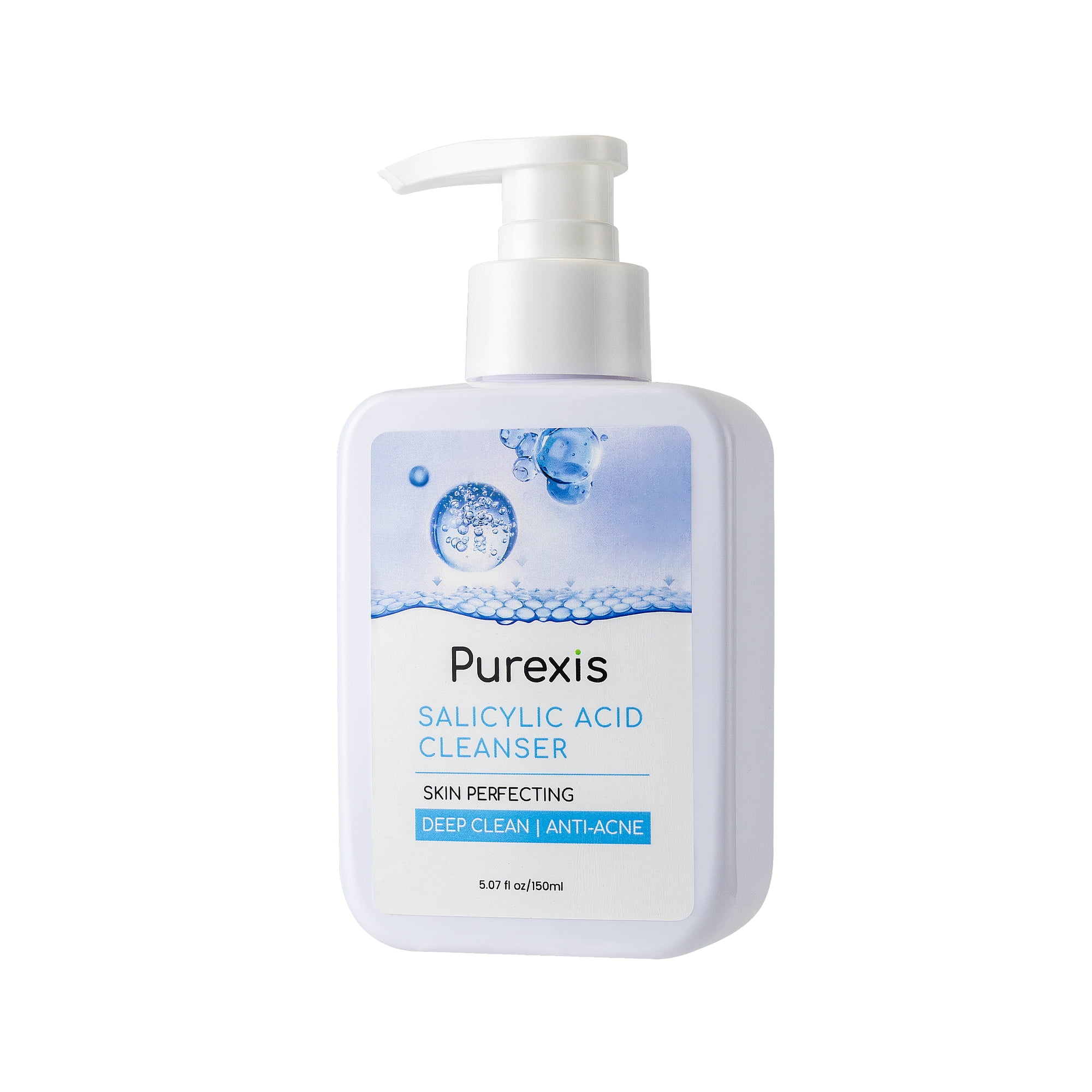
Product buildup, dead skin cells, and excess sebum can clog follicles, leading to inflammation or even hair thinning. A weekly scalp exfoliation—using a gentle salicylic acid scalp scrub or a silicone scalp brush—can clear the way for new growth. However, avoid harsh sulfates that strip the scalp of its natural oils, as a dry scalp can lead to irritation and breakage.
Protective Styling & Mechanical Care
Mechanical damage—damage caused by physical manipulation—is the number one reason people fail to see length. You might be growing hair, but you’re breaking it off just as fast. To combat this, you must change how you handle your hair.
Minimize Tension and Friction
Tight hairstyles like high ponytails, tight braids, or heavy extensions can cause traction alopecia, a condition where the hair is pulled out by the root. If you want long hair, opt for loose styles. When you do tie your hair back, use silk or satin scrunchies instead of traditional rubber bands, which can snap the hair shaft.
The Golden Rules of Detangling
- Never brush wet hair: Hair is at its weakest when wet. If you must detangle wet hair, use a wide-toothed comb or a specialized detangling brush, and always start from the ends, working your way up to the roots.
- Microfiber over Terry Cloth: Standard bath towels are too abrasive for delicate hair strands. Use a microfiber towel to gently blot moisture out of your hair rather than rubbing it.
- Silk Pillowcases: Cotton is absorbent and creates friction, which leads to tangles and frizz. A silk or satin pillowcase allows the hair to glide, significantly reducing overnight breakage.
Length Retention: A Comprehensive Weekly Routine
Consistency is the difference between a failed attempt and successful growth. Here is a professional-grade weekly schedule designed to balance moisture, protein, and scalp health:
| Day | Focus Area | Action Step |
|---|---|---|
| Monday | Strength | Deep condition with a protein-rich mask to repair the cuticle. |
| Tuesday | Stimulation | 5-minute scalp massage + gentle detangling with oil. |
| Wednesday | Moisture | Light oil treatment (argan or jojoba) on ends before bed. |
| Thursday | Maintenance | Check ends for split ends; trim if necessary (every 8-12 weeks). |
| Friday | Hydration | Apply a hydrating leave-in spray to combat environmental dryness. |
| Saturday | Recovery | No heat styling; allow hair to air-dry naturally. |
| Sunday | Rest | No washing or chemical treatments; scalp rest day. |
Grow Hair Faster: Targeted Actions & Expert Strategies
If you want to accelerate your progress, you need to move beyond basic washing and focus on targeted interventions. Here are the most effective methods supported by hair care professionals:
1. Targeted Scalp Serums
Topical treatments can make a significant difference. Look for serums containing peptides, caffeine, or rosemary oil. These ingredients are designed to stimulate the follicle and improve blood flow. Pro-tip: Always apply these to the scalp, not the hair shaft. The hair shaft is dead tissue; it cannot absorb growth-stimulating nutrients.
2. Heat Management
Heat is the enemy of length. High temperatures melt the keratin proteins and evaporate the moisture inside the hair shaft, leading to immediate breakage. If you must use heat, always use a professional-grade heat protectant. Furthermore, lower your tool temperature. Most hair can be styled effectively at 300°F (150°C) rather than the 450°F (230°C) often used by enthusiasts.
3. The Trimming Paradox
It sounds counterintuitive, but cutting your hair is essential for growing it longer. When a hair strand splits at the end, it creates a microscopic tear that travels up the shaft. If you don’t trim that split end, it will eventually cause the entire strand to snap off mid-way. Trimming just a quarter-inch every 8 to 12 weeks keeps the ends blunt and strong, allowing you to actually see the length you’ve gained.
4. Stress Management and Cortisol
Chronic stress triggers the production of cortisol, which can prematurely push hair follicles into the telogen (resting) phase. This can lead to a phenomenon known as telogen effluvium, characterized by sudden hair shedding. Incorporating mindfulness, regular exercise, and adequate sleep is just as important for your hair as any hair mask.
Longer Hair Tips: Everyday Habits That Pay Off
Success in hair growth is found in the small, repeatable actions you take every single day:
- Use a wide-tooth comb: This prevents the tugging and pulling that occurs with fine-bristle brushes, especially on wet hair.
- Seal in moisture: After applying a leave-in conditioner, use a tiny drop of oil to “seal” the cuticle, preventing moisture from evaporating.
- Protect from UV: Just as the sun damages skin, UV rays can degrade hair proteins. Use a hair mist with UV filters if you spend a lot of time outdoors.
- Avoid Chlorine: Chlorine can strip hair of its natural oils and cause chemical damage. Always wet your hair with fresh water before entering a pool to saturate the shaft.
- Microfiber is your friend: Stop the aggressive towel-drying. Blot, don’t rub.
Hair Growth Routine: A Detailed Daily Timeline
To help you visualize how to integrate these tips, here is a sample daily routine for someone focused on maximum length retention:
- Morning: After showering, use a microfiber towel to blot hair. Apply a lightweight leave-in conditioner and a UV protectant. Use a wide-tooth comb to detangle gently.
- Midday: If you are outdoors, use a silk scarf to protect your hair from wind and environmental debris.
- Evening: Apply a nourishing scalp oil (like rosemary or peppermint mixed with a carrier oil) and perform a 5-minute scalp massage.
- Before Bed: Secure your hair in a loose braid or a silk scrunchie and sleep on a silk pillowcase to minimize friction.
External Insight
For a deeper scientific understanding of how hair grows, you can read the Wikipedia entry on Hair growth. It offers a balanced overview of the biological processes involved.
Internal Resource
Want more styling wisdom? Check out more styling tips on our main site.
FAQ: Everything You Need to Know About Growing Long Hair
1. How to grow my hair longer: What is the first step?
The first step is to stop the breakage. You cannot grow hair if you are losing length at the ends. Assess your current breakage patterns, evaluate your diet for protein and iron deficiencies, and switch to a gentle, sulfate-free washing routine.
2. Can I grow hair faster by cutting it more?
Not exactly. Cutting hair does not make it grow faster from the root, but it prevents split ends from traveling up the shaft. Regular trims (every 8-12 weeks) are essential to ensure that the length you gain at the scalp is actually retained at the ends.
3. What foods boost hair growth the most?
Focus on nutrient density. Eggs (biotin), salmon (omega-3s), spinach (iron), lentils (protein), and pumpkin seeds (zinc) are the gold standard for supporting healthy follicle function.
4. Is it safe to use minoxidil for hair growth?
Minoxidil is a clinically studied topical treatment that can help stimulate growth in certain types of hair loss. However, because it is a medication, you should always consult with a healthcare professional or dermatologist before starting a regimen.
5. How long does it take to see noticeable length?
On average, hair grows about 0.5 inches (1.25 cm) per month. Because hair growth is a slow process, it may take 3 to 6 months of consistent routine changes before you see a significant difference in your overall length and health.
Leave a Reply