How to repair damaged hair is a question many of us ask after a season of heat styling, chemical treatments, or just everyday wear and tear. Whether your strands are frizzy, brittle, or prone to split ends, understanding the root causes and implementing targeted solutions is key to restoring vitality. This guide breaks down the science of hair damage, offers actionable steps, and provides a realistic routine tailored to different hair types and lifestyles.
Understanding Hair Damage: The Science Behind the Struggles
What Causes Hair Damage?
Hair damage isn’t just about split ends or frizz—it’s a complex issue rooted in the hair shaft’s structure. The cuticle, the outermost layer of the hair, acts as a protective barrier. When it’s compromised, moisture escapes, proteins weaken, and the hair becomes vulnerable. Common culprits include:
- Heat Styling: Frequent use of blow dryers, flat irons, or curling wands can break down keratin bonds, especially if used at high temperatures.
- Chemical Treatments: Dyes, relaxers, and perms alter the hair’s protein structure, making it more porous and prone to breakage.
- Over-Washing: Stripping the hair of natural oils with harsh shampoos or over-washing can lead to dryness and weakened strands.
- Environmental Stressors: UV rays, pollution, and chlorine from swimming pools can accelerate damage.
According to a 2021 study in the Journal of Cosmetic Dermatology, repeated exposure to these stressors can reduce hair elasticity by up to 40%, making it more prone to snapping. For example, a woman who uses a flat iron daily for a year may experience cumulative damage that’s harder to reverse than a single instance of heat exposure.


Signs of Damage: How to Identify the Problem
Recognizing damage early can prevent further harm. Look for:
- Brittle Texture: Hair that feels stiff or snaps when pulled.
- Split Ends: Visible splits at the ends, often resembling a frayed rope.
- Frizz: Uncontrolled frizz, even after styling.
- Loss of Shine: Dullness or a lack of luster, even after conditioning.
- Thinning: Gradual loss of volume or strands falling out.
For a more precise assessment, consider a trichology consultation, where a specialist can analyze your hair’s internal health using tools like a microscope or hair shaft analysis.
Step-by-Step Guide to Repairing Damaged Hair
Step 1: Assess and Adjust Your Habits
Before diving into products, evaluate your daily routines. Ask yourself:
- How often do I use heat tools?
- Do I wash my hair daily?
- Have I recently dyed or chemically treated my hair?
For instance, if you use a curling iron three times a week, consider reducing it to once a week and using a heat protectant spray. A hair care journal can help track progress and identify triggers.
Step 2: Immediate Care (First 48 Hours)
In the first 48 hours, focus on minimizing further damage and hydrating the hair. Here’s a detailed plan:
- Avoid Heat: Skip blow-drying or flat-ironing. Instead, air-dry or use a diffuser on the lowest heat setting. If you must use heat, apply a heat protectant like Kerastase Specifique Thermal Repair Spray.
- Gentle Cleansing: Use a sulfate-free shampoo such as Olaplex No. 4 Bond Maintenance Shampoo to clean without stripping moisture. Wash only when necessary—every 2-3 days for most hair types.
- Deep Conditioning: Apply a rich mask like Redken Extreme Deep Conditioner for 10-15 minutes. For extra hydration, wrap your hair in a plastic bag before rinsing to trap moisture.
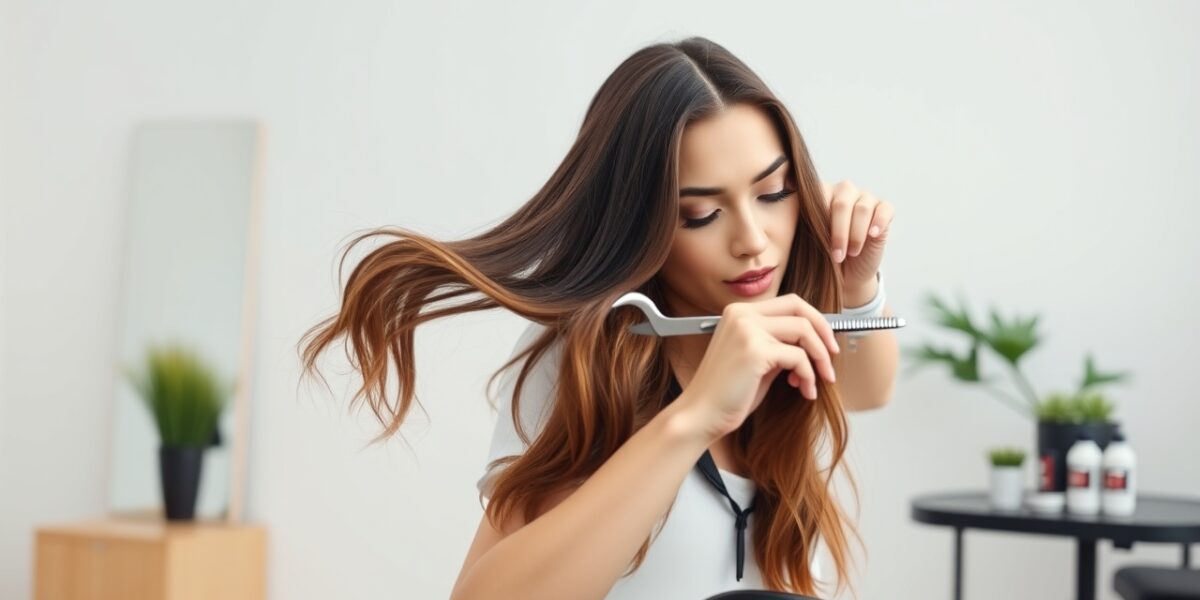
- Trim Split Ends: Use sharp scissors to cut off split ends. Even a 1/4-inch trim can prevent breakage from traveling up the shaft. Avoid cutting too much at once to maintain length.
Step 3: Weekly Repair Routine
Consistency is key. Here’s a customizable weekly plan tailored to different hair types:
For Fine or Thin Hair:
- Monday: Protein treatment (e.g., Biotin 22+) to strengthen strands.
- Wednesday: Moisture mask (e.g., Mielle Organics Coconut Cream Deep Conditioner).
- Friday: Leave-in conditioner (e.g., Shea Moisture Coconut & Hibiscus Leave-In Conditioner).
- Sunday: Protective style (e.g., braids or a loose bun) to reduce manipulation.
For Thick or Curly Hair:
- Monday: Protein treatment (e.g., Olaplex No. 5 Bond Perfector).
- Wednesday: Deep conditioning with shea butter (e.g., Aveda Coconut & Shea Deep Conditioner).
- Friday: Leave-in with aloe vera (e.g., Bare Minerals Aloe Vera Leave-In Conditioner).
- Sunday: Twist-out or bun to protect from daily friction.
Step 4: Lifestyle Adjustments for Long-Term Health
Hair repair isn’t just about products—it’s about holistic care. Consider these changes:
- Hydration: Drink 8-10 glasses of water daily. Dehydration can manifest as dry, brittle hair. Add electrolytes if you’re active.
- Nutrition: Include protein-rich foods (eggs, fish, legumes), omega-3s (salmon, flaxseeds), and vitamins (leafy greens for vitamin A, nuts for vitamin E). A nutrition guide can help tailor your diet.
- Sleep Position: Sleep on your back or use a silk pillowcase to reduce friction. For side sleepers, wrap hair in a silk scarf.
- Limit Chemicals: If you color, wait 4-6 weeks between sessions. Use a color-protecting conditioner like Argan Oil Conditioner after treatments.
Quick Fixes for Immediate Relief
When you need instant results, try these on-the-go solutions:
- Cold Water Rinse: After shampooing, rinse with cold water to close the cuticle and lock in moisture. This can reduce frizz by up to 50% in some cases.
- Oil Topping: Apply a few drops of jojoba or argan oil to dry hair. This acts as a sealant, reducing frizz and adding shine. For best results, use a dropper to avoid over-application.
- Silk Scarf or Pillowcase: Wrap hair in a silk scarf overnight to minimize tangles and breakage. Alternatively, use a silk pillowcase to reduce friction while sleeping.
- Hair Mask in a Hurry: If you don’t have a mask, mix 1 tablespoon of honey with 2 tablespoons of yogurt and apply to damp hair. Leave for 10 minutes before rinsing.
Building a Long-Term Repair Plan
Once immediate damage is addressed, create a sustainable routine. Here’s how to structure it:
Assess Your Hair Type and Damage Level
Not all hair is the same. For example:
- Curly Hair: Focus on moisture and protein balance. Avoid over-drying with heat.
- Straight Hair: Prioritize heat protection and regular trims.
- Colored Hair: Use color-safe products and limit chemical exposure.
Create a Personalized Chart
Use a simple table to track your routine:
| Day | Treatment | Product Example |
|---|---|---|
| Monday | Protein Treatment | Olaplex No. 6 Bond Building Treatment |
| Wednesday | Moisture Mask | Redken Extreme Deep Conditioner |
| Friday | Leave-In Conditioner | Shea Moisture Coconut & Hibiscus |
| Sunday | Protective Style | Braids or Twist-Out |
Adjust based on how your hair feels. If it feels stiff, reduce protein treatments. If it’s limp, increase moisture.
Incorporate Protective Styling
Protective styles aren’t just for special occasions. Daily options include:
- Braids: Braid hair into a crown or fishtail braid to minimize daily manipulation.
- Twists: Two-strand twists or a bun can protect ends while allowing movement.
- Headscarves: A silk headscarf can shield hair from environmental stressors.
Moisture-Boosting Techniques for Dry Hair
Dry hair is a common symptom of damage. Here are advanced methods to restore hydration:
Deep Conditioning with Natural Ingredients
Beyond store-bought masks, you can create DIY treatments:
- Honey and Yogurt Mask: Mix 1 tbsp honey (a humectant) with 2 tbsp plain yogurt. Apply to damp hair, leave for 20 minutes. Honey draws moisture in, while yogurt provides protein.
- Avocado and Coconut Oil Mask: Mash 1/2 avocado and mix with 2 tbsp coconut oil. Apply to ends, cover with a shower cap for 30 minutes.
- Egg Yolk Treatment: Whisk 1 egg yolk with 1 tbsp olive oil. Apply to hair, leave for 15 minutes. Egg yolk is rich in proteins and vitamins.
Humidifier Use
In dry climates or winter, a humidifier can prevent moisture loss. Place it in your bedroom or workspace. For best results, use it during sleep or while working on your hair.
When to Seek Professional Help
If home care isn’t enough, consult a professional. Here’s what to expect:
- Trichologist Consultation: A specialist can diagnose underlying issues like scalp inflammation or hormonal imbalances. They may recommend treatments like keratin infusions or platelet-rich plasma (PRP) therapy.
- Professional Trims: A stylist can remove split ends with precision. For severe damage, they might suggest a “strategic trim” to remove only the most damaged sections.
- In-Clinic Treatments: Options include keratin treatments to smooth hair or micro-treatments that deliver concentrated proteins directly to the shaft.
Frequently Asked Questions
How to repair damaged hair quickly? Use a cold water rinse, a light oil mist (like argan oil), and a silk scarf to reduce frizz and protect the cuticle. For immediate hydration, apply a honey-yogurt mask or a leave-in conditioner with aloe vera.
What is the best protein treatment for damaged hair? Look for products with hydrolyzed keratin or collagen. Apply once a week, but monitor for stiffness. For example, Olaplex No. 5 is a popular choice for its bond-building properties.
Can I color my hair if it’s damaged? Yes, but schedule a break after coloring. Use a color-protecting conditioner and avoid heat styling for 48 hours post-treatment. Consider semi-permanent dyes, which are less damaging than permanent ones.
How often should I trim damaged hair? Trim every 6-8 weeks to remove split ends. Even a small trim can prevent breakage from traveling up the shaft. If you’re unsure, ask a stylist to assess your hair’s condition.
Is a deep conditioner enough to repair damaged hair? It’s a key component, but combine it with protein treatments, lifestyle changes, and protective styling. For example, a deep conditioner hydrates, while protein treatments rebuild the hair shaft’s structure.
How can I prevent future hair damage? Limit heat and chemical exposure, use sulfate-free products, and maintain a balanced diet. For example, avoid daily blow-drying and opt for air-drying whenever possible. Regular trims and a silk pillowcase can also help.
Leave a Reply