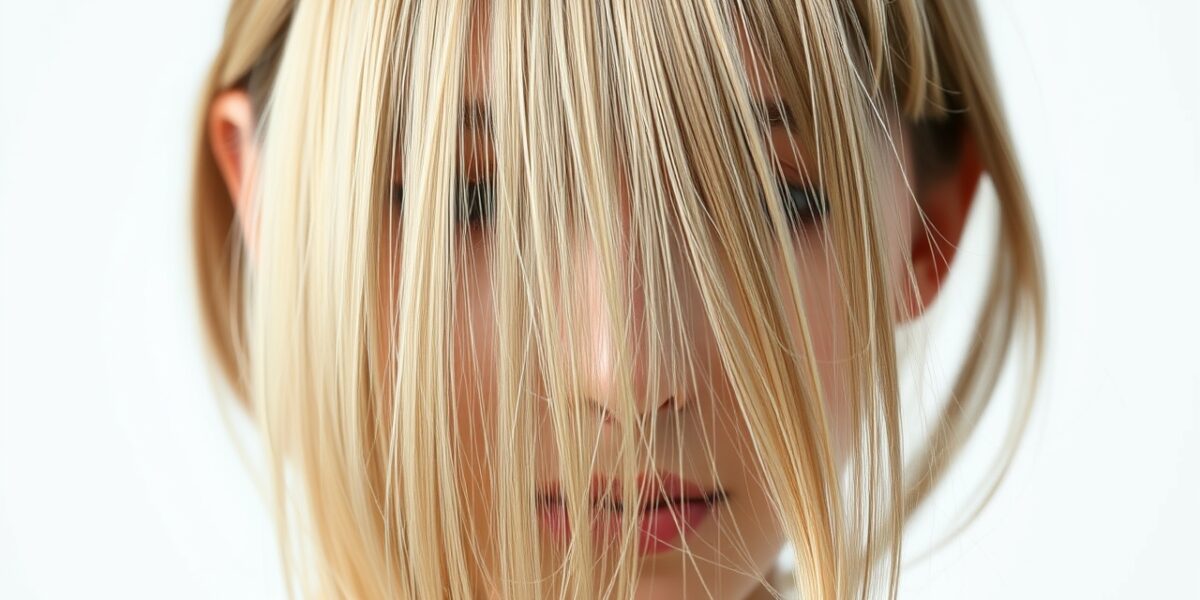
how to style curtain bangs is a skill that transforms your look with minimal effort. Whether you have just cut them or are growing them out, knowing the right way to shape and finish them makes all the difference. I’ve spent years working with different textures and lengths, and I’ve found that a few core principles apply to almost everyone. In this guide I’ll walk you through the preparation, the tools, the step-by-step process, and the little tricks that keep curtain bangs looking fresh day after day.
Understanding Curtain Bangs
Curtain bangs, sometimes called curtain fringe, are a soft, face-framing style that parts in the middle and sweeps to each side. They originated in the 70s bangs era but have been modernized for today’s textures. The key is length: they usually sit just above the eyebrows at the shortest point and blend into the rest of the hair around the cheekbones. Because they are longer on the sides, they create a gentle “curtain” effect that softens the forehead and highlights the eyes. This style is particularly flattering for oval, round, and square face shapes, but with adjustments, it can work for heart-shaped or diamond faces as well.
how to style curtain bangs: step-by-step guide
Below is the routine I recommend for most hair types. Adjust timing based on thickness and curl pattern. For best results, practice each step slowly and observe how your hair responds to different tools and products.


1. Start with clean, damp hair
Wash your hair with a lightweight, sulfate-free shampoo to avoid stripping natural oils. Use a conditioner that targets the roots for added strength. After washing, gently towel-dry your hair until it’s about 80% dry. Excess water can cause the bangs to become heavy and difficult to style. For fine hair, pat dry with a microfiber towel to prevent frizz. For thick or curly hair, use a microfiber towel or old t-shirt to blot excess moisture without rubbing.
2. Apply a light styling product
Choose a product that matches your hair type. For fine or straight hair, a volumizing mousse (like volumizing mousse) or a light root-lift spray provides hold without weight. For thick or curly hair, a creamy styling cream or a curl-defining gel offers more structure. Apply the product evenly through the bangs, focusing on the roots where hold is most needed. Use your fingers to distribute it, avoiding clumps. If your bangs are very long, you may need to apply product in sections to ensure even coverage.
3. Blow-dry with a round brush
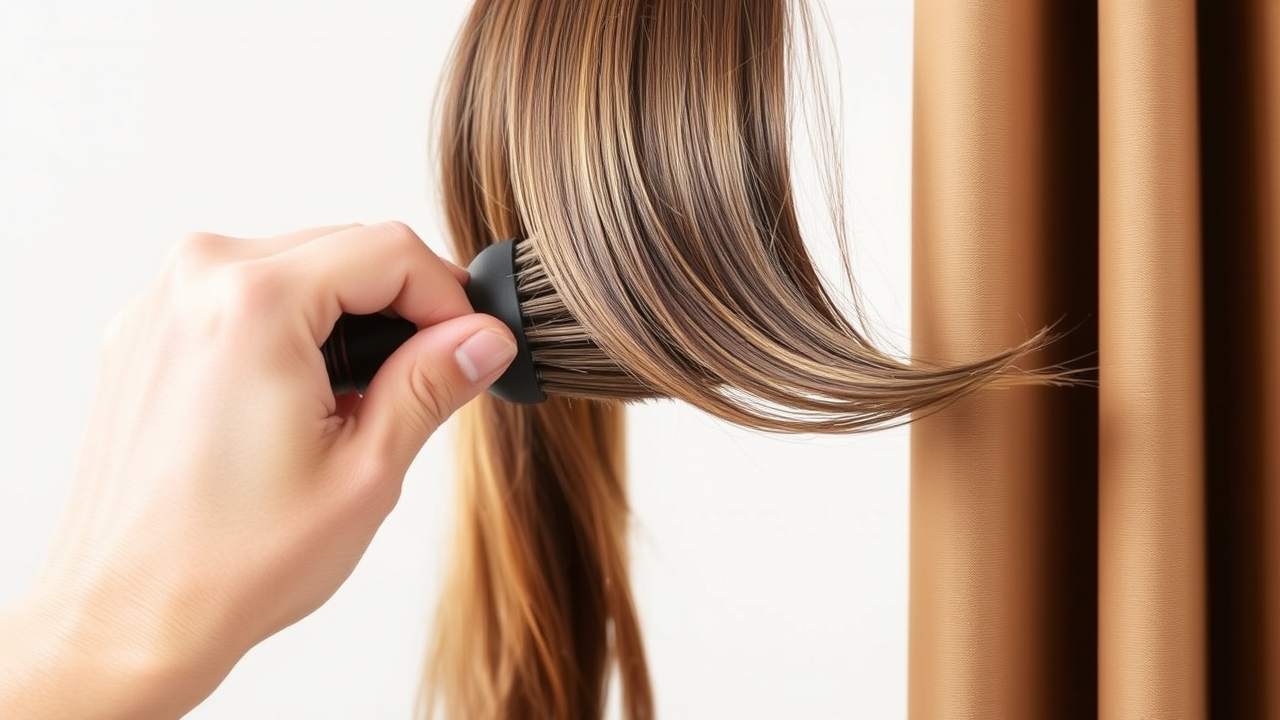
Section the bangs into two parts—left and right—using a fine-tooth comb. Take a medium-sized round brush (about 2 inches in diameter) with a bristle pattern that matches your hair texture (e.g., boar bristles for thick hair, synthetic for fine hair). Hold the dryer 6 inches away from your head and direct the airflow downward, starting at the roots. As you blow-dry, pull the brush downward to stretch the bangs and create a natural bend. For a softer, more rounded look, angle the brush slightly away from the face as you reach the ends. If your bangs are prone to frizz, use a diffuser attachment on your dryer to distribute heat evenly. For a more defined shape, use a smaller brush and work in shorter sections.
4. Add a subtle bend or wave
If you prefer a bit more texture, wrap the ends of each side around a 1-inch curling iron for no more than three seconds. Release and let cool. This creates a gentle “S” shape that mimics the natural curtain effect. Alternatively, use a flat iron on a low heat setting to create a subtle wave. For a more natural look, avoid over-curling; instead, use your fingers to gently shape the bangs after curling. If you don’t have a curling iron, you can use a round brush and a comb to create a soft wave by brushing the bangs upward while blow-drying.
5. Finish with a light mist
Hold a flexible-hold hairspray about 10 inches away and spray a fine mist over the bangs. Avoid saturating; you want movement, not stiffness. For a more natural finish, use a texturizing spray to add volume at the roots. If your bangs are very long, you may need to apply product in sections to ensure even coverage. For a polished look, use a shine serum or oil to add gloss to the ends.
Tailoring the Technique to Your Face Shape
While the basic steps work for everyone, small tweaks can enhance the effect. The goal is to create balance and highlight your best features. Here’s how to adapt the technique for different face shapes:
Oval Faces
Oval faces are considered the most versatile, as they can pull off almost any bang length. Keep the bangs grazing the eyebrows for a balanced look. When blow-drying, use a round brush to create a gentle arch that complements the natural curve of your face. Avoid making the bangs too long, as this can overwhelm the face. For a modern twist, add a slight wave to the sides to add dimension.
Round Faces
Round faces benefit from vertical lines that elongate the face. When blow-drying, pull the brush slightly outward to create a longer, more elongated shape. Add length to the sides of the bangs by using a round brush to stretch them away from the face. If your bangs are short, consider adding a subtle bend at the ends to create a softer, more flattering look. Avoid making the bangs too thick, as this can make the face appear rounder.
Square Faces
Square faces have strong jawlines and angular features. To soften the look, curl the ends of the bangs inward toward the face. Use a curling iron or a round brush to create a gentle inward curve. This adds roundness and balances the sharp angles of the face. For a more dramatic effect, add volume at the temples by lifting the roots with a round brush while blow-drying. Avoid making the bangs too short, as this can make the face look even more angular.
Heart-Shaped Faces
Heart-shaped faces have a narrow chin and a wide forehead. Focus volume at the temples to balance the narrower chin. When blow-drying, lift the roots at the outer edges of the bangs to create width. Use a round brush to add lift and avoid making the bangs too long at the front, as this can emphasize the narrow chin. For a softer look, add a subtle wave to the sides to create a gentle curve that complements the face shape.
Diamond Faces
Diamond faces are narrow at the forehead and jawline, with a wider cheekbone area. To balance the face, add volume at the temples and shorten the bangs slightly at the front. Use a round brush to create a soft, rounded shape that draws attention to the cheekbones. Avoid making the bangs too long, as this can make the face appear narrower. For a modern look, add a slight wave to the sides to add dimension without overwhelming the face.
Maintenance and Trimming
Curtain bangs grow out quickly, so regular upkeep keeps them looking intentional. A light trim every 4–6 weeks helps maintain the desired length and shape. Here’s how to care for your curtain bangs between appointments:
How Often to Trim
I recommend a light trim every 4–6 weeks. Ask your stylist to take off only a quarter inch at a time, preserving the length that frames the face. If you notice split ends or uneven growth, schedule a trim sooner. For those who prefer to trim at home, use sharp scissors or hair clippers and work in small sections. Focus on the ends, as split ends can travel up the hair shaft. Avoid cutting too much, as this can make the bangs look uneven or too short.
Between-Appointment Tips
- Use a small comb to gently detangle the bangs each morning. This prevents matting and keeps them looking neat.
- If the bangs start to separate, apply a tiny dab of serum or oil to the ends and finger-comb to redistribute moisture.
- Sleep on a silk pillowcase to reduce friction and prevent creasing. Cotton pillowcases can cause tangling and breakage.
- Use a dry shampoo to add volume at the roots between washes. This helps maintain the lift and shape of the bangs.
- Avoid using heat tools too frequently, as this can weaken the hair and lead to breakage.
Common Mistakes to Avoid
Even experienced stylists slip up. Here are the pitfalls I see most often, along with how to correct them:
Using Too Much Product
Heavy gels or waxes make the bangs look stiff and can cause buildup. Stick to lightweight formulas. If you’ve used too much product, wash your hair with a clarifying shampoo to remove residue. For a quick fix, use a dry shampoo to absorb excess product and add texture.
Over-Drying the Roots
Holding the dryer too close or in one spot leads to frizz and breakage. Keep the nozzle moving and maintain a distance of about 6 inches. If your roots are dry and frizzy, use a diffuser attachment to distribute heat evenly. For fine hair, avoid over-drying by using a lower heat setting and shorter drying time.
Ignoring the Natural Part
Curtain bangs rely on a soft middle part. Forcing a deep side part can make them look uneven. Let the hair fall naturally and only guide it with the brush. If you want a side part, use a comb to gently part the hair without pulling. For a middle part, use your fingers to create a soft, natural division.
Quick Fixes for Bad Hair Days
Sometimes the bangs refuse to cooperate. Try these fast solutions:
Flat Bangs
Spray a texturizing spray at the roots, then scrunch with your fingertips while blowing cool air. This adds volume and lifts the bangs. For a more polished look, use a round brush to reshape the bangs while blow-drying.
Frizz
Run a small amount of anti-frizz serum through the ends, then use a boar-bristle brush to smooth. For a quick fix, apply a small amount of hair oil to the ends and smooth with your fingers. If frizz is persistent, consider using a heat protectant before styling.
Uneven Sides
Re-dry the shorter side first, using the round brush to add extra length. Then match the other side. If one side is significantly shorter, consider using a curling iron to add length or a round brush to stretch it.
Styling Curtain Bangs for Different Occasions
From casual to formal, the same base can be adapted. Here’s how to tailor your look:
Everyday Look
Follow the basic blow-dry routine, finish with a light mist, and let the bangs fall naturally. For a casual vibe, add a texturizing spray for volume at the roots. Avoid using too much product to keep the look relaxed.
Polished Updo
Pull the back into a low ponytail or twist, leave the bangs loose, and add a touch of shine serum for a sleek finish. For a more formal look, use a hairspray to set the bangs in place. If you’re wearing a hat or headpiece, ensure the bangs are styled to complement the accessory.
Voluminous Curls
After blow-drying, curl the entire head with a large-barrel wand, then gently separate the bangs with your fingers to keep them soft. For extra volume, use a volumizing mousse at the roots before curling. If your curls are tight, use a diffuser to add softness and prevent frizz.
External Resource
For a deeper dive into the history of bangs, see the Bang (hair) page on Wikipedia.
Internal Link
Explore more about current latest haircut trends on our site.
FAQ
how to style curtain bangs
Start with damp hair, apply a light mousse, blow-dry with a round brush pulling downward, add a subtle bend with a curling iron if desired, and finish with a flexible hold spray. Adjust the angle of the brush to suit your face shape for the most flattering result.
How often should I wash my curtain bangs?
Wash them as part of your regular hair routine—typically every 2–3 days for most hair types. Over-washing can strip natural oils, making them prone to frizz.
Can I style curtain bangs on curly hair?
Yes. Work with the curl pattern by applying a curl-defining cream, diffusing on low heat, and letting the bangs air-dry to keep the shape soft and bouncy.
What products work best for fine curtain bangs?
Choose volumizing mousse or a light root-lift spray. Avoid heavy creams that can weigh fine strands down.
How do I prevent my curtain bangs from splitting in the middle?
Ensure you blow-dry from the roots outward with a round brush, and finish with a light mist of hairspray to keep the hairs together without stiffness.
How to style curtain bangs with a straightener?
Use a flat iron on a low heat setting to create a subtle wave or straighten the bangs. Start at the roots and work your way to the ends. For a natural look, avoid over-straightening; instead, use your fingers to gently shape the bangs after straightening.
Leave a Reply