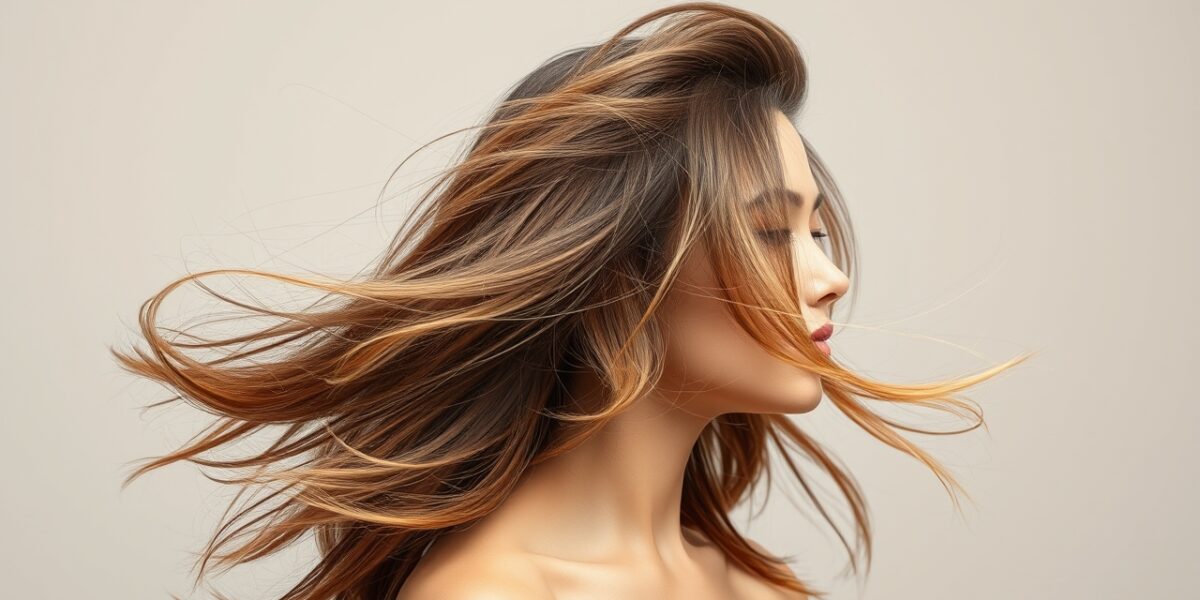
Layered haircut ideas are a subtle yet powerful way to breathe life into any length. By cutting hair at varying lengths, a stylist can create a natural play of light and shadow that adds depth without the need for heavy styling products.
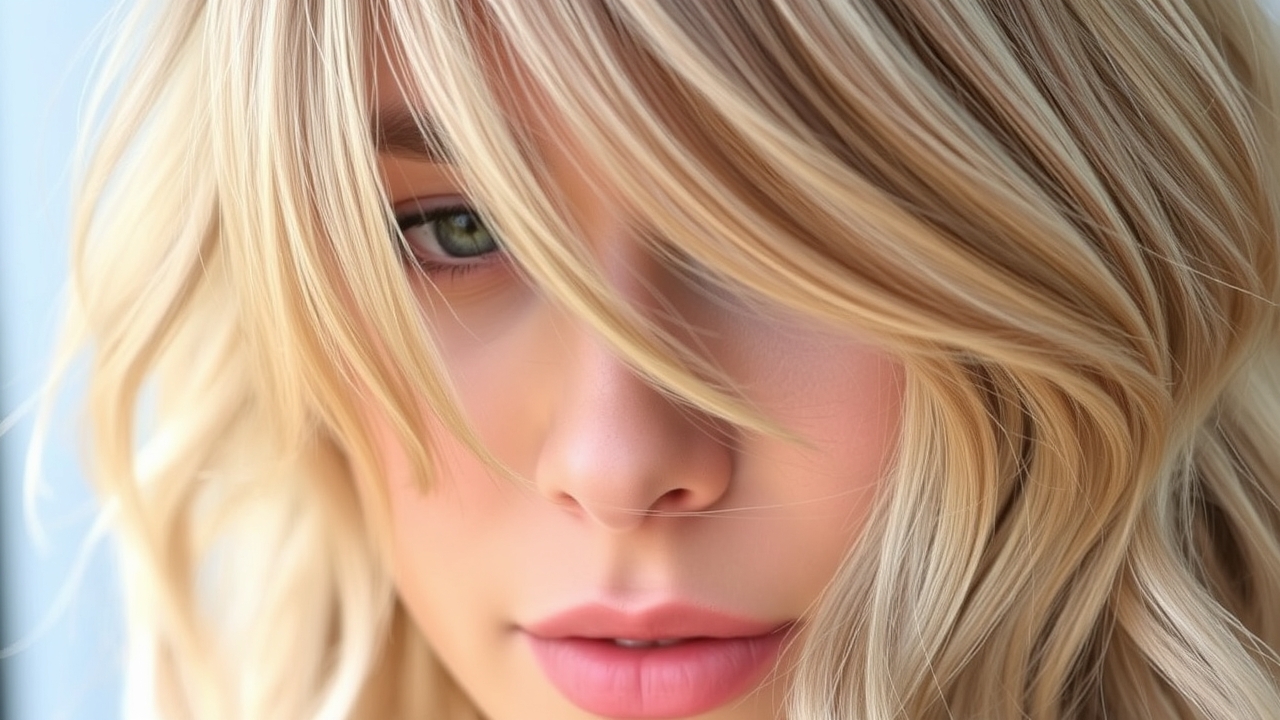
Why Layers Work for Every Hair Type
Whether your strands are straight, wavy, or curly, layers can be tailored to suit your texture. Straight hair gains lift when shorter layers are tucked under the longer strands, while curly hair benefits from a graduated cut that prevents bulk and encourages coil definition. The key is to let the layers fall where the hair naturally wants to fall, creating movement that feels effortless.
Adding Volume with Precision
Volume is achieved by strategically placing shorter layers at the roots and longer ones at the ends. For instance, a 6‑inch choppy cut at the crown can lift the scalp, while a 12‑inch tail at the back provides weight to keep the shape. The result is a balanced silhouette that looks fuller from every angle.


Layered Haircut Ideas for Different Face Shapes
Face framing layers are the most effective when they mirror the natural curve of your face. An oval face can keep layers symmetrical, while a round face benefits from angled cuts that create the illusion of length. Square faces soften jawlines with softer, rounded layers, and heart‑shaped faces gain balance with longer layers that fall just below the chin.
Creating Movement that Flows
Movement is introduced by cutting at varying angles. A vertical cut at the front can add height, while a horizontal cut at the back encourages a relaxed sway. Texture is added by razor or point cutting, giving the ends a soft, feathered look that catches the light.
Maintaining Your Layered Cut
Regular trims every 6–8 weeks keep the layers clean and prevent split ends from disrupting the structure. Use a lightweight mousse or texturizing spray to lift the roots, but avoid heavy creams that can weigh down the cut. A gentle sulfate‑free shampoo preserves the natural oils, while a weekly deep conditioner keeps the layers supple.
For heat‑sensitive hair, turn to a heat‑protectant spray before any styling. If you must use a flat iron, keep the temperature below 350°F and limit the number of passes to prevent damage.
Special Occasions and Layered Hair
A layered cut can be dressed up or down. For a cocktail party, a blow‑dry with a round brush can lift the layers into a polished bounce. For a wedding, a low bun that showcases the back layers can add elegance. The versatility of layers means you can switch styles with minimal effort.
Choosing Layers for Your Hair Texture
Fine hair needs longer, lighter layers to avoid a “brittle” look. Thick hair benefits from shorter, choppy layers that reduce bulk. Curly hair should have layers that follow the coil pattern, preventing frizz and preserving the natural bounce.
Styling Techniques That Complement the Cut
Backcombing at the roots can create instant lift without heat. For a beachy wave, use a sea salt spray and scrunch the ends. A curling iron set to a low temperature can define face‑framing layers without compromising the hair’s integrity.
Common Layering Mistakes and How to Avoid Them
Uniform layers can flatten the hair, so always vary the length. Over‑cutting can create a “shaved” look that feels too aggressive. Communicate with your stylist about your lifestyle: a busy professional may prefer a low‑maintenance cut, while a student might enjoy a more expressive style.
Color and Texture Play with Layers
Adding a subtle balayage to the layers can create depth. A darker root with a lighter tip can make the layers pop. For texture, a razor cut can give a soft, feathered finish that works well with both straight and wavy hair.
Layered Hair for Men and Women
Men can opt for a subtle, choppy cut that adds texture to a classic crew cut. Women can experiment with longer layers that cascade past the shoulders. The principle remains the same: layers add movement and reduce the need for daily styling.
Seasonal Adjustments
In winter, longer layers can be left loose to add warmth. In summer, a shorter cut can keep the hair cool and manageable. Adjust your styling routine accordingly: use a lightweight leave‑in spray in summer and a richer conditioner in winter.
Layered Hair for Thinning or Hair Loss
Strategic layering can create the illusion of density. Face‑framing layers that blend into longer sections can disguise thinning spots. Avoid cutting too short in the top section; keep a minimum of 3–4 inches to maintain volume.
Layering for Different Hair Lengths
Short hair benefits from choppy layers that add texture. Medium hair can combine longer and shorter layers for balance. Long hair has the most flexibility: a mix of face‑framing and graduated layers can create a cascading effect.
Layered Hair for Special Features
Bang styles work best with layers that allow the bangs to blend into the rest of the cut. A side part can be highlighted by a subtle layer on one side, creating a natural asymmetry that adds interest.
Layered Hair for Aging Hair
As hair ages, it loses shine. A layered cut can add texture that hides dullness. Use a lightweight serum to add shine without weighing the hair down.
Layered Hair for Cultural Expression
Layers can be styled to reflect cultural aesthetics. A bohemian look might feature uneven, choppy layers, while a polished, professional look uses subtle, clean layers. The key is to balance style with practicality.
Layered Hair in Professional Settings
In a corporate environment, subtle layers that add definition without drama work best. Avoid overly textured cuts that can appear unkempt. A neat, layered cut can convey confidence and professionalism.
Layered Hair for Children and Teens
Shorter layers for kids keep the cut manageable. Teens can experiment with face‑framing layers that add a trendy edge. Regular trims keep the style fresh and prevent overgrowth.
Post‑Haircut Care
After a layered cut, use a leave‑in conditioner and avoid brushing wet hair. If you use a diffuser, set it to low heat and rotate the hair to prevent frizz.
Layered Hair for Special Needs or Medical Conditions
For those with sensory sensitivities, layers that reduce tangling are ideal. A gentle, short cut can keep hair close to the scalp, reducing discomfort.
Layered Hair for Sustainable Care
Layers reduce the need for frequent cuts and harsh chemicals. Use natural, biodegradable products and recycle hair clippings to minimize waste.
Layered Hair for Future Trends
Current trends favor asymmetry and bold textures. A choppy, uneven cut can become a statement look. However, the core principle of movement and volume remains timeless.
Layered Hair for a Balanced Lifestyle
Choose layers that fit your daily routine. Short, low‑maintenance layers are ideal for busy schedules, while longer layers can be styled quickly with a diffuser.
Layered Hair for a Holistic Approach
Layered cuts encourage a natural look that requires fewer products. This aligns with the growing emphasis on self‑care and sustainability. By focusing on the cut itself, you can reduce reliance on styling tools.
Layered Hair for Confidence
When you feel comfortable in your hair, confidence follows. Layered cuts can be customized to highlight your best features, whether that’s cheekbones, a strong jawline, or a soft neckline.
FAQ: Layered Haircut Ideas
- What are the best layered haircut ideas for long hair?
- How do choppy layers differ from face framing layers?
- Can layered haircut ideas work for thin or thinning hair?
- What maintenance is required for layered haircut ideas?
- Are layered haircut ideas suitable for all hair types?
For more tips on caring for layered hair, visit our haircare tips page. If you’re looking for professional guidance, haircare.com offers a range of resources to help you choose the right cut for your lifestyle.
Leave a Reply