Learning how to blow dry your hair like a salon professional isn’t about having a magic hand—it’s about mastering the science of heat, tension, and airflow. I’ve spent years observing top stylists, and the truth is, the real magic lies in the method, not the price tag of your tools. If your home blowouts always end up flat or frizzy, you’re probably skipping steps that pros do instinctively.
The Right Tools Make the Difference
You can’t fake a salon finish with a basic dryer and a plastic comb. The key is using equipment that gives you control. Let me break down what you *actually* need.
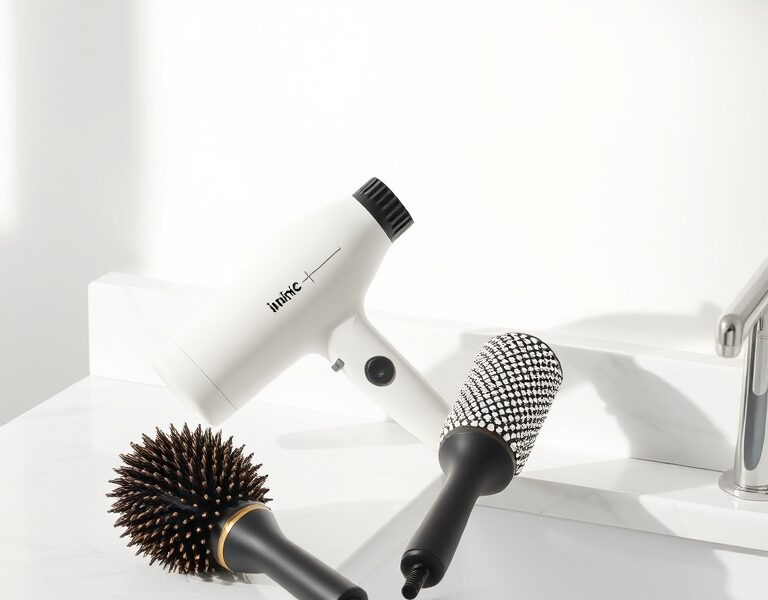
- Ionic Hair Dryer: This isn’t just a gimmick. Ionic technology breaks down water molecules faster, sealing the cuticle for shine. Brands like Dyson or BaByliss Pro are industry staples.
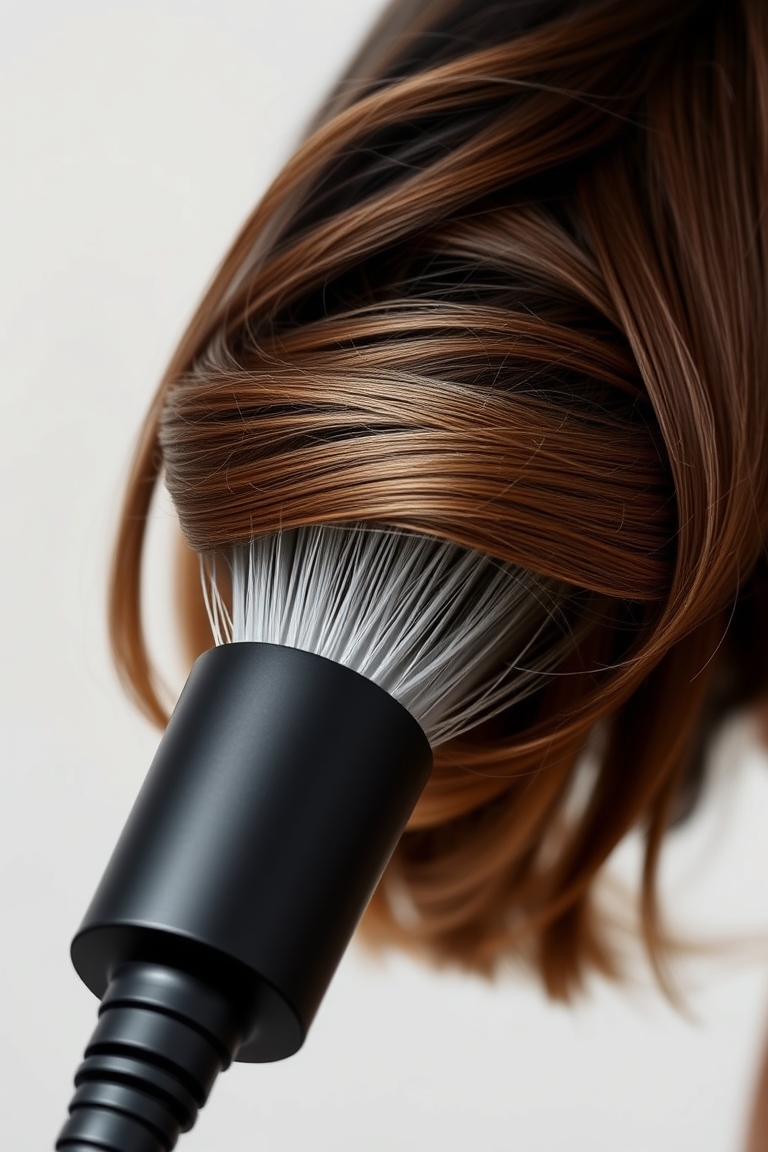
- Concentrator Nozzle: Think of this as your precision tool. Without it, you’re just blowing air randomly. The nozzle focuses the stream, smoothing the cuticle like a pro.
- Round Brushes (3 Sizes): A large brush (2-3 inches) for volume, a medium (1.5 inches) for soft waves, and a small (1 inch) for short layers. Each size serves a purpose.
- Sectioning Clips: You can’t dry your hair in one big clump. Clips let you work in 1-2 inch sections, ensuring even heat distribution.
- Heat Protectant: This is your armor. Skip it, and you risk damaging your hair’s protein structure. Look for products with keratin or silk proteins.
Prep Work That Matters
Most home blowouts fail because the hair isn’t prepped right. If your hair is weighed down by heavy conditioner or stripped of moisture, the brush won’t glide. Let’s fix that.


Wash and Condition Smartly
Start with a shampoo that matches your goal. For volume, avoid silicones—they coat the hair and weigh it down. Condition only from mid-lengths to ends. Applying conditioner to the roots? That’s a guaranteed flat result.
Towel-Dry Like a Pro
Drying your hair when it’s soaking wet is a no-go. Use a microfiber towel or an old t-shirt to gently squeeze out water. Rubbing aggressively? That roughens the cuticle and invites frizz. Your hair should be damp, not dripping.
Step-by-Step: The Salon Method
Now, let’s get into the nitty-gritty. Follow these steps, and you’ll start seeing results.
1. Apply Products Strategically
While your hair is damp, slick on a heat protectant first. Then, depending on your hair type, add a volumizing mousse at the roots or a smoothing cream through the ends. Use a wide-tooth comb to distribute it evenly—no clumps, no missed strands.
2. Rough Dry for Efficiency
Skip the brush at first. Use your fingers to lift the hair at the roots and blow dry until it’s 70-80% dry. This step removes bulk, making the styling phase faster. If you start with a brush on wet hair, you’ll waste time and risk overheating.
3. Section Like a Pro
Divide your hair into four quadrants: two in the front (split by your part) and two in the back. Clip each section. Start at the nape of your neck and work upward. Small sections (1-2 inches) are key—this ensures even heat and prevents missed spots.
4. Tension Is Your Secret Weapon
Here’s where the magic happens. Place the round brush under a section and pull the hair taut. The combination of heat and tension sets the shape. Keep the nozzle pointing down the hair shaft—never up. Upward airflow opens the cuticle and causes frizz.
5. Create Volume at the Crown
For lift, pull the hair straight up toward the ceiling instead of back. Hold the brush at the root, apply heat, then roll it down. For extra height, over-direct the hair—dry it opposite its natural fall.
6. The Cool Shot Finish
Pro dryers have a cool shot button. Once a section is dry and wrapped around the brush, blast it with cold air for 5-10 seconds. Heat shapes the hair, but cold air locks it in. This is why your style lasts days.
Adapt for Your Hair Type
Not all hair reacts the same. To master this, you need to tailor your approach.
Fine or Thin Hair
Focus on the roots. Use a smaller brush (1 inch) to create curvature. Avoid heavy oils—they’ll weigh it down. A lightweight volumizing spray and upside-down rough drying can help.
Thick or Coarse Hair
Prioritize smoothness. A larger ceramic brush holds more heat and flattens the cuticle. Take smaller sections and use a tiny drop of finishing oil on the ends to seal the look.
Curly or Wavy Hair
Use a boar bristle brush for better grip. Focus on mid-lengths, pulling firmly to smooth the wave. Then curl the ends inward or outward for definition.
Common Mistakes to Avoid
Even with the right tools, bad habits can ruin your blowout. Here’s what to watch out for.
- Over-drying: Once dry, stop. Continuing to dry already-dry hair creates “bubble hair,” where moisture inside the shaft boils and damages it.
- Moving the Dryer Too Fast: A steady pace is key. Rushing prevents the heat from setting the shape.
- Ignoring the Nozzle: Blowing without a concentrator is like using a fan. You lose control and precision.
- Wrong Brush Size: A brush too large for short hair creates tight curls; too small for long hair loses tension.
Keep Your Blowout Looking Fresh
Getting the look is one thing; keeping it is another. Here’s how to make it last.
Avoid humidity. In damp climates, a light mist of flexible-hold hairspray acts as a barrier. Sleep on a silk or satin pillowcase to reduce friction, which roughens the cuticle overnight.
For a quick refresh on day two, use dry shampoo at the roots to absorb oil and a round brush with low heat to reactivate volume at the crown.
The Science Behind the Blowout
Understanding what’s happening at a microscopic level helps. Hair is made of keratin, a protein. Heat temporarily breaks its hydrogen bonds. When you stretch the hair with a brush while it’s hot, you’re rearranging those bonds into a new shape. When it cools, they reform, locking in the style. That’s why the cool shot is essential—it “freezes” the bonds in place.
For a deeper dive into hair biology, check out the Wikipedia page on hair to learn about the cuticle and cortex.
Frequently Asked Questions
How do I blow dry your hair like a salon if I have no experience?
Start with the rough dry and sectioning. Don’t try your whole head at once. Focus on one small section, use a concentrator nozzle, and practice pulling the hair taut with a round brush. The more you master the “tension” aspect, the better your results will be.
Why does my hair get frizzy even with a professional dryer?
Frizz happens when the cuticle is left open. This occurs if you blow air against the grain or skip the cool shot. Always point the nozzle downward from root to tip and finish with cold air.
Can I achieve a smooth blowout without a round brush?
You can get a decent result with a paddle brush, but a round brush is essential for that specific salon look. It provides the lift and curved finish at the ends that a flat brush can’t achieve.
How often can I do a salon-style blowout without damaging my hair?
It depends on your hair health, but 1-2 times a week is safe with a good heat protectant. If your ends become brittle, space out blowouts and use a deep conditioning mask.
What’s the best way to get volume in thin hair?
Start by drying your hair upside down until it’s 80% dry. Then, when using the round brush, lift the hair straight up from the scalp and hold the heat there for a few seconds before rolling it down. Finish with a cool shot to lock the volume.
Leave a Reply