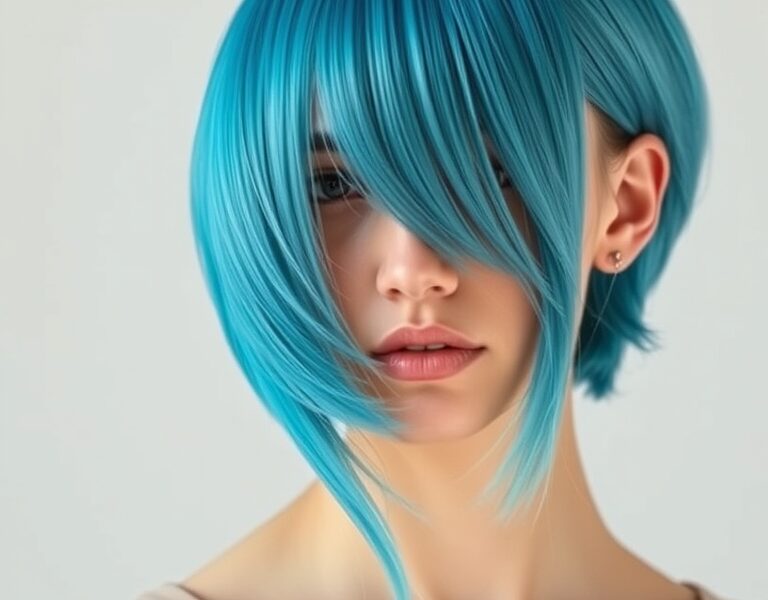
Hair color ideas for brunettes can transform a familiar look into something striking and personalized. Whether you’re a long-time brown-haired fan or ready to experiment, the right shade and technique can boost confidence and add dimension. Below, I walk through a range of styles—from subtle highlights to dramatic balayage—plus practical tips for choosing, applying, and caring for your new color.
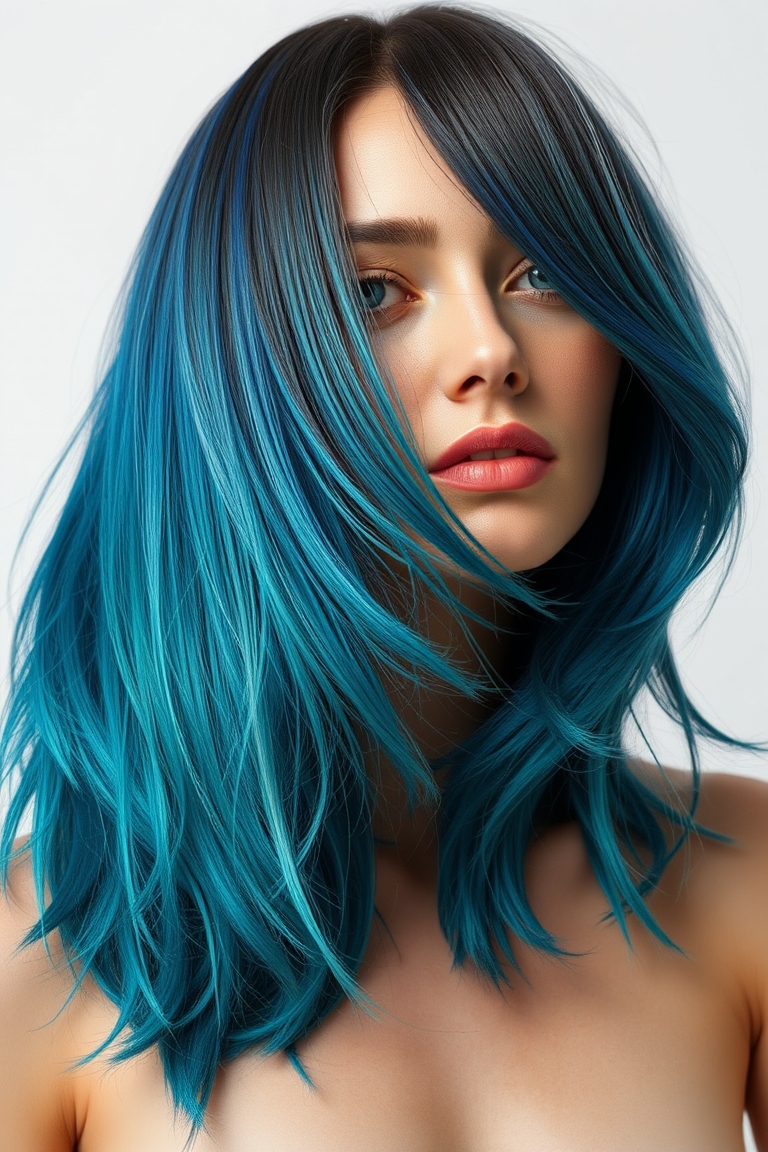
Why Brunettes Love Color
Brown hair is versatile. It blends naturally with almost every skin tone, yet it can still feel flat if left untreated. Adding layers of color introduces movement, depth, and a touch of personality. Brunettes often gravitate toward warm, earthy tones that enhance the richness of their natural pigment. The key is to pick a shade that complements your undertones and lifestyle. For example, warm tones like caramel or auburn can accentuate warm undertones, while cool tones like ash brown or platinum can balance cool undertones. This flexibility makes brunettes ideal candidates for experimenting with color without losing their natural essence.
Understanding Undertones: The Foundation of Color Choice
Before selecting a new hue, identifying your skin’s undertones is crucial. Undertones—cool, warm, or neutral—determine how colors interact with your skin and hair. A simple test involves checking the veins on your wrist. If they appear blue or purple, you likely have cool undertones. Green veins suggest warm undertones, while a mix of both indicates neutral. This knowledge is vital because certain colors will enhance your features while others may clash. For instance, a cool-toned brunette might look radiant with platinum highlights, whereas a warm-toned brunette could shine with golden balayage.


How Undertones Affect Color Perception
Consider how undertones influence the final result. Cool undertones can make hair appear more ash or platinum, while warm undertones bring out golden or caramel tones. Neutral undertones offer flexibility, allowing both cool and warm shades to work. However, even neutral undertones have preferences. For example, a neutral brunette might prefer a balanced blend of warm and cool tones to avoid a washed-out look. It’s also worth noting that hair color can change over time due to factors like sun exposure, dye quality, and hair health. Therefore, testing colors on a small section first is advisable.
Popular Hair Color Techniques for Brunettes
There are numerous techniques to achieve stunning results. Balayage, ombre, and highlights are among the most popular. Each offers a unique effect, and the choice depends on your desired look and maintenance preferences. Balayage, for instance, involves freehand application of color to create a natural, sun-kissed effect. This technique is ideal for brunettes seeking a low-maintenance, natural look. Ombre, on the other hand, features a gradient from dark at the roots to light at the ends, offering a bold, dramatic contrast. Highlights, which involve applying color to specific sections of hair, can add depth and dimension without a full color change.
Balayage: Natural and Low-Maintenance
Balayage is a favorite among brunettes because it mimics natural sun exposure. The technique involves applying color to the mid-lengths and ends, creating a soft, blended effect. This method is less harsh on the hair compared to traditional foiling, making it a great option for those with fine or color-treated hair. For brunettes, balayage can range from subtle highlights to bold, caramel tones. The key is to work with a colorist who understands your undertones and desired outcome. A common mistake is choosing a color that’s too similar to your natural hair, which can result in a lackluster effect. Instead, opt for a shade that adds warmth or contrast.
Ombre: Bold and Dramatic
Ombre is perfect for brunettes looking to make a statement. This technique involves dyeing the roots a darker shade and gradually lightening the ends. The contrast between the roots and ends creates a striking visual effect. For example, a brunette with dark brown hair might choose a deep auburn at the roots and transition to a light caramel at the ends. Ombre requires more maintenance than balayage, as the roots will need touch-ups every 4-6 weeks. However, the bold look is worth the effort for those who want to stand out. It’s also worth noting that ombre can be adapted to different styles, from straight to curly, making it a versatile option.
Highlights: Precision and Versatility
Highlights offer a more controlled approach to color. This technique involves applying color to specific sections of hair, often using foils or caps. Highlights can be tailored to your hair’s texture and length. For instance, a brunette with long, straight hair might opt for a subtle blend of brown and caramel highlights, while someone with curly hair could choose a more vibrant, multi-tonal effect. The versatility of highlights makes them suitable for both subtle and dramatic looks. However, it’s important to consider the frequency of touch-ups. Highlights can fade faster than balayage, especially if the color is a stark contrast to your natural hue.
Choosing the Right Shade for Your Brunette Hair
Selecting the perfect shade involves more than just picking a color you like. It requires an understanding of your hair’s current condition, your lifestyle, and your personal style. For example, if you have fine hair, a lighter shade might be more flattering, as it can add volume. Conversely, thick hair can handle bolder colors without looking overwhelmed. Additionally, your lifestyle plays a role. If you spend a lot of time outdoors, a color that resists fading, like a deep brown or auburn, might be more practical. On the other hand, if you prefer a low-maintenance look, a subtle balayage or highlights could be ideal.
Warm vs. Cool Tones: Which Suits You?
As mentioned earlier, your undertones dictate whether warm or cool tones will work best. Warm tones like caramel, auburn, or golden blonde are ideal for those with warm undertones. These colors enhance the natural warmth of your skin and hair. Cool tones such as ash brown, platinum, or silver are better suited for cool undertones. They can make your hair appear more vibrant and add a modern edge. Neutral undertones can experiment with both, but it’s essential to avoid extremes. For example, a neutral brunette might choose a balanced blend of warm and cool tones to maintain harmony.
Considering Your Hair’s Texture and Length
The texture and length of your hair also influence color choices. Curly or wavy hair may benefit from colors that add definition, such as auburn or caramel, which can enhance curl patterns. Straight hair, on the other hand, can handle a wider range of colors, from soft pastels to bold metallics. Length is another factor. Long hair allows for more dramatic color changes, such as ombre or balayage, while shorter hair might require more subtle highlights to avoid a patchy look. It’s also worth considering how the color will interact with your bangs or layers. For instance, a balayage that fades into your roots can create a seamless transition, whereas a bold color at the roots might be too harsh for shorter styles.
Maintenance Tips for Long-Lasting Color
Once you’ve chosen your color, proper maintenance is key to preserving its vibrancy. Color-treated hair requires more care than natural hair, as it’s more prone to damage and fading. Here are some essential tips to keep your new look fresh:
- Use Color-Safe Products: Opt for shampoos, conditioners, and styling products labeled as color-safe. These products are formulated to minimize color loss and protect your hair from harsh chemicals.
- Avoid Heat Styling: Excessive heat can cause color to fade faster. If you must use heat tools, apply a heat protectant and use the lowest setting possible.
- Protect from Sun Exposure: UV rays can bleach color, especially lighter shades. Wear a hat or use a UV-protective spray when outdoors.
- Regular Touch-Ups: Depending on the technique, you may need touch-ups every 4-8 weeks. Balayage and ombre typically require less frequent maintenance than highlights.
- Deep Conditioning: Color-treated hair can become dry and brittle. Use a deep conditioning treatment weekly to maintain moisture and prevent breakage.
The Role of Diet and Lifestyle
Your diet and lifestyle can also impact your hair color. A balanced diet rich in vitamins and minerals can promote healthy hair, which in turn helps maintain color vibrancy. For example, foods high in vitamin C can help preserve color, while excessive alcohol or smoking can dull it. Additionally, stress can lead to hair breakage, which may require more frequent touch-ups. Managing stress through exercise, meditation, or other methods can contribute to overall hair health.
Trends in Brunette Hair Color: What’s Popular in 2023
Hair color trends are constantly evolving, and 2023 has seen a surge in unique and personalized options for brunettes. One notable trend is the resurgence of natural, earthy tones. Shades like caramel, honey, and deep auburn are popular for their warmth and versatility. Another trend is the use of pastel shades, such as lavender or mint, which offer a fresh, modern twist. These colors are ideal for brunettes looking to experiment without committing to a full color change. Additionally, metallic and ombre effects are making a comeback, adding a touch of glamour to brunette hair. For example, a platinum blonde ombre with a hint of gold can create a striking, eye-catching look.
Natural vs. Bold: Finding Your Style
When it comes to trends, brunettes have the luxury of choosing between natural and bold looks. Natural colors, like soft browns or caramel, are timeless and flattering for most. They require less maintenance and are perfect for those who prefer a low-effort style. On the other hand, bold colors like platinum, silver, or even neon shades are gaining popularity. These choices are ideal for those who want to make a statement or embrace a more avant-garde aesthetic. The key is to align your choice with your personality and lifestyle. If you’re someone who enjoys experimenting, bold colors might be your go-to. If you prefer a more understated look, natural tones could be the way to go.
How to Plan Your Hair Color Appointment
Once you’ve decided on a color, planning your appointment with a professional colorist is essential. A skilled colorist can help you achieve the best results by considering your hair’s condition, texture, and desired outcome. Here’s what to expect during your appointment:
- Consultation: The colorist will discuss your goals, preferences, and any concerns. They may ask about your lifestyle, hair history, and previous color experiences.
- Hair Analysis: The colorist will examine your hair’s texture, thickness, and current color to recommend the best techniques and shades.
- Color Trial: Some colorists offer a trial or sample application to test how the color looks on your hair. This step is particularly useful for bold or unconventional colors.
- Application: The colorist will apply the chosen technique, ensuring even coverage and proper blending. This process can take anywhere from 1 to 3 hours, depending on the complexity of the color.
- Aftercare Instructions: After the appointment, the colorist will provide care tips to maintain your new color. This may include product recommendations, washing routines, and touch-up schedules.
Common Mistakes to Avoid
While working with a professional is ideal, there are common mistakes to avoid if you’re doing it yourself. One major error is using the wrong color. For example, choosing a shade that’s too similar to your natural hair can result in a lackluster effect. Another mistake is not preparing your hair properly. Color-treated hair is more fragile, so it’s important to avoid excessive heat and chemical treatments before and after coloring. Additionally, neglecting to patch test can lead to allergic reactions or unexpected color changes. Always test a small section first, especially if you’re trying a new color or technique.
Conclusion: Embrace Your Unique Brunette Look
Hair color ideas for brunettes offer endless possibilities, from subtle enhancements to bold transformations. By understanding your undertones, choosing the right technique, and maintaining your color properly, you can achieve a look that reflects your personality and style. Whether you opt for a soft balayage, a dramatic ombre, or a vibrant highlight, the key is to make it your own. Remember, the best hair color is one that makes you feel confident and beautiful. With the right approach, your brunette hair can become a canvas for creativity and self-expression.
In summary, the journey of changing your hair color as a brunette is both exciting and rewarding. It allows you to explore new shades, techniques, and trends while staying true to your natural beauty. By following the tips and advice outlined in this article, you’ll be well on your way to finding the perfect color for your unique brunette look. So, take the plunge, consult a professional, and let your hair shine with the color that suits you best.
For further reading, see related references on Wikipedia.
Leave a Reply