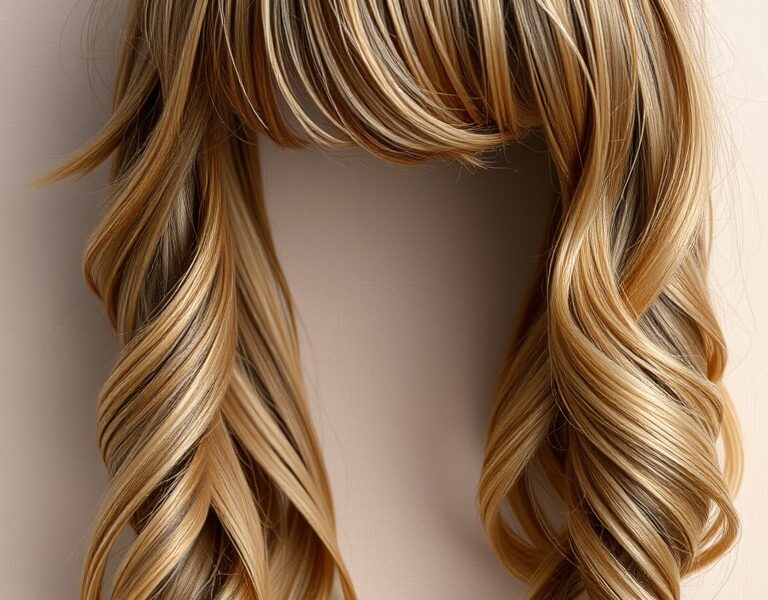
How to style curtain bangs like a pro starts with understanding the unique characteristics of this versatile hairstyle. Curtain bangs, also known as face-framing bangs or curtain fringe, have surged in popularity for their ability to accentuate facial features while offering endless styling possibilities. Whether you’re inspired by 70s bangs or seeking a modern twist, mastering this technique requires precision, the right tools, and a few insider tips. In this comprehensive guide, we’ll break down the steps to achieve salon-quality curtain bangs at home, tailored to different face shapes, hair types, and occasions.
What Are Curtain Bangs and Why They Work
Curtain bangs are a modern interpretation of classic face-framing bangs, characterized by their longer, layered length that falls in soft waves or straight lines. Unlike traditional straight-across bangs, curtain bangs create a natural divider between the forehead and face, enhancing cheekbones and drawing attention to the eyes. Their popularity stems from their adaptability; they can be styled for casual days, formal events, or even as a 70s-inspired retro look. The key to styling curtain bangs like a pro lies in balancing volume, texture, and placement to complement your unique features.
Face Framing Bangs: The Core of Curtain Bangs
Face framing bangs are the foundation of curtain bangs, designed to sit just above the eyebrows and frame the face. This technique works best for oval, round, and heart-shaped faces, as it adds definition without overwhelming the features. For square faces, curtain bangs can soften angular jawlines, while for long faces, they add width. The 70s bangs revival has brought renewed interest in this style, with many opting for longer, wavier versions that evoke vintage glamour. To achieve this effect, start by sectioning your hair into manageable parts, ensuring the bangs are evenly distributed across the forehead.


Step 1: Choosing the Right Cut and Length
How to style curtain bangs begins with the right cut. The ideal length for curtain bangs typically ranges from 1 to 3 inches, depending on face shape, hair thickness, and personal preference. Shorter bangs (1-1.5 inches) work well for round faces, as they add length and balance. Longer bangs (2-3 inches) suit oval or heart-shaped faces, creating a softer, more elegant look. Thicker hair may require slightly longer bangs to avoid a flat appearance, whereas fine hair benefits from shorter, layered cuts. Consult a stylist to determine the optimal length, as an improper cut can make styling challenging. Additionally, consider your hair’s natural texture—curly or wavy hair may need shorter bangs to maintain volume, while straight hair can handle longer, straighter curtain bangs.
70s Bangs Revival: A Modern Twist
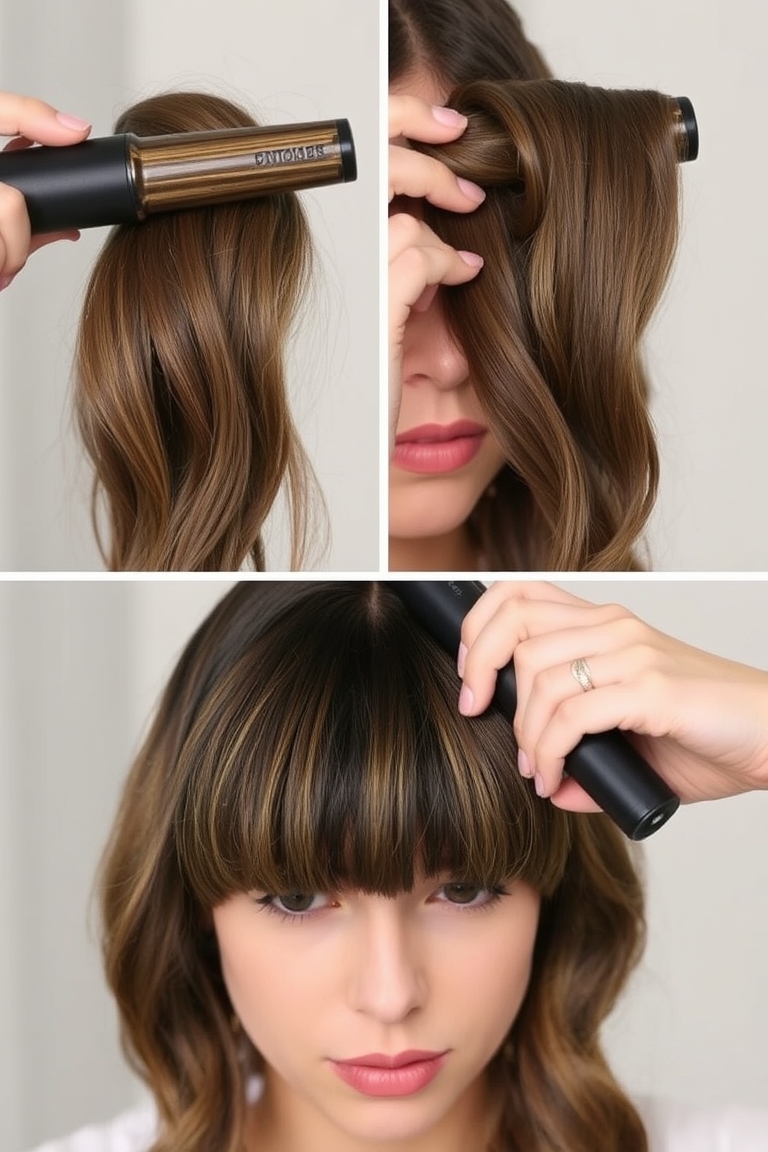
The 70s bangs trend, characterized by longer, wavier fringe, has inspired a new generation of curtain bangs enthusiasts. To channel this era, opt for longer, layered curtain bangs with a slight wave. Use a curling iron to create soft, beachy waves or air-dry your hair for a more natural 70s-inspired look. This style pairs well with bold makeup and retro accessories, making it a statement choice for fashion-forward individuals. However, it requires more maintenance to preserve the wave throughout the day. For a 70s-inspired look, consider using a texturizing spray to add volume and prevent the bangs from looking flat. You can also experiment with side-parting or center-parting to mimic the asymmetrical styles of the 70s.
Step 2: Styling Techniques for Perfect Curtain Bangs
How to style curtain bangs like a pro involves mastering a few key techniques. Begin by applying a heat protectant spray before using any heat tools. For voluminous curtain bangs, use a round brush and blow dryer to lift the roots. Alternatively, backcomb the bangs with a comb to add texture and body. Once styled, secure the bangs with a flexible hairspray or styling gel to prevent flyaways. For a softer look, gently brush the bangs forward with a wide-tooth comb. If your curtain bangs are on the shorter side, consider using a texturizing spray to add dimension and prevent a flat appearance. Additionally, try using a flat iron to straighten the bangs for a sleek finish or a curling wand to create loose waves.
Curtain Fringe: Adding Movement and Depth
Curtain fringe refers to the lower section of curtain bangs that extends past the forehead. This area can be styled to create movement, such as curling the ends or leaving them straight for a sleek finish. To enhance the curtain fringe, apply a lightweight serum to the lower layers for shine. For a dramatic effect, tease the fringe with your fingers or a styling comb. This technique is particularly effective for those with longer curtain bangs, as it prevents the fringe from looking weighed down. Experiment with different angles—tilt the fringe slightly downward for a mysterious vibe or lift it for a youthful, playful look. For a 70s-inspired fringe, consider using a vintage-inspired hair accessory like a hairpin or clips to add retro flair.
Step 3: Maintaining Your Curtain Bangs Throughout the Day
How to style curtain bangs like a pro isn’t just about the initial setup; maintenance is crucial. Touch-ups may be needed after physical activity or prolonged sun exposure. Carry a small bottle of hairspray or a styling mousse to redefine the bangs as needed. Avoid using excessive product, as this can weigh down the hair. For wavy or curly curtain bangs, reapply a texturizing product to maintain the shape. If your bangs start to flatten, use a small round brush to lift the roots again. Additionally, consider your lifestyle—those with active jobs may benefit from a stronger-hold hairspray, while everyday wear can be managed with lighter products. For a quick touch-up, use a small comb to gently separate any flattened sections or a hairdryer on a cool setting to revive volume.
Common Mistakes to Avoid
- Over-styling: Using too much product can make curtain bangs look greasy or stiff. Opt for lightweight products instead.
- Ignoring face shape: Curtain bangs that are too long or short for your face shape can throw off your proportions.
- Neglecting maintenance: Failing to touch up throughout the day can lead to a messy appearance.
- Incorrect cutting: A poorly cut curtain bangs can be difficult to style and may require a professional trim.
- Using the wrong tools: Avoid using a hairdryer on high heat for fine hair, as it can cause damage.
How to Style Curtain Bangs for Different Face Shapes
Each face shape benefits from a tailored approach to curtain bangs. For oval faces, symmetrical curtain bangs work best, as they balance the face’s natural proportions. Round faces should opt for slightly longer bangs to add length and define the jawline. Heart-shaped faces can rock shorter, layered curtain bangs to minimize forehead width. Square faces benefit from wavy or textured curtain bangs that soften the angles. Long faces should choose wider, fuller curtain bangs to add width. Understanding your face shape is essential for achieving a balanced, flattering look. For example, if you have a round face, avoid bangs that are too short, as they may make the face appear wider. Instead, choose longer, layered bangs that extend past the eyebrows to create a more elongated effect.
Curtain Bangs for Special Occasions
Curtain bangs can be adapted for any occasion, from casual outings to formal events. For a daytime look, keep the bangs relaxed and wavy with a touch of natural hair products. For a night out, add volume with a curling iron and set with a strong-hold hairspray. During the 70s-inspired trend, pair curtain bangs with bold lipstick and vintage-inspired accessories. For professional settings, opt for sleek, straight curtain bangs that convey sophistication. The versatility of curtain bangs makes them a go-to style for any event. For example, at a wedding, you might style your curtain bangs with a soft wave and a subtle shine, while at a party, you could go for a bold, voluminous look with a 70s-inspired wave.
FAQ: How to Style Curtain Bangs Like a Pro
- How to style curtain bangs like a pro? Start with the right cut and length, use heat protectant before styling, and apply products strategically to enhance volume and hold. For example, use a texturizing spray for fine hair or a strong-hold hairspray for thick hair. Additionally, practice sectioning your hair to ensure even distribution of the bangs.
- Can curtain bangs work for all face shapes?
- What tools are essential for styling curtain bangs?
- How do I maintain curtain bangs throughout the day?
- Is there a specific technique for 70s-inspired curtain bangs?
Understanding Your Hair Type for Curtain Bangs
Your hair type plays a critical role in how curtain bangs will look and feel. For curly hair, shorter bangs are often better to maintain volume and prevent them from becoming too heavy. Use a curling iron with a smaller barrel to create tight, defined curls. For straight hair, longer bangs can be styled straight or wavy, depending on your preference. Use a flat iron for a sleek finish or a curling wand for loose waves. Thick hair may require longer bangs to avoid a flat appearance, while thin hair benefits from shorter, layered cuts to add dimension. Additionally, consider your hair’s porosity—high porosity hair may absorb products quickly, so use lightweight formulas to avoid buildup. Low porosity hair may need heavier products to hold style, but be cautious not to weigh down the bangs.
Tools and Products for Curtain Bangs
Having the right tools and products is essential for styling curtain bangs like a pro. Essential tools include a round brush, a curling iron or wand, a wide-tooth comb, and a flat iron. For products, start with a heat protectant spray to prevent damage. Use a volumizing mousse or spray to add body at the roots. For holding, opt for a flexible hairspray or a styling gel that won’t make the bangs stiff. Texturizing sprays are great for adding dimension to wavy or curly bangs. If you’re going for a 70s-inspired look, consider using a vintage-inspired hair product like a retro hairspray or a serum with a retro scent. Always test products on a small section of hair before applying them to your bangs to avoid adverse reactions.
Advanced Styling Techniques for Curtain Bangs
Once you’ve mastered the basics, you can experiment with advanced techniques to elevate your curtain bangs. One popular method is backcombing, which involves using a fine-tooth comb to create texture and lift at the roots. This technique works well for adding volume to thin hair. Another advanced technique is using a blow dryer on a low heat setting to lift the bangs while styling. For a 70s-inspired look, try using a vintage hairdryer or a styling tool that mimics the 70s aesthetic. You can also experiment with different partings, such as a side part or a middle part, to create a unique look. Additionally, consider using a hairpin or clip to secure the bangs in place, especially for longer curtain bangs. For a more dramatic effect, tease the bangs with your fingers or a comb to add movement and depth.
Customizing Curtain Bangs for Different Occasions
Curtain bangs can be tailored to suit any occasion. For a casual day, keep the bangs relaxed and natural with minimal product. Use a texturizing spray to add subtle volume and a light hold hairspray to keep them in place. For a formal event, opt for sleek, straight curtain bangs with a strong-hold hairspray to ensure they stay in place throughout the day. During the 70s-inspired trend, pair your curtain bangs with bold makeup and retro accessories. For a professional setting, choose a clean, polished look with straight or slightly wavy bangs. The key is to adjust your styling based on the environment and your personal style. For example, at a job interview, you might go for a more conservative style, while at a party, you could experiment with a bold, voluminous look.
Troubleshooting Common Curtain Bangs Issues
Even with the best styling, curtain bangs can sometimes present challenges. If your bangs are flat, try using a texturizing spray or a small round brush to lift the roots. If they’re too heavy, reduce the amount of product or use a lighter hold spray. Flyaways can be tamed with a small amount of hairspray or a styling gel. For bangs that lose volume quickly, consider using a volumizing mousse or a dry shampoo to add texture. If your bangs are too long, a professional trim may be necessary to achieve the desired length. Additionally, if you’re struggling with a specific technique, practice regularly or seek advice from a stylist. For example, if you’re having trouble with backcombing, start with a smaller section of hair and gradually work your way up. Patience and practice are key to mastering curtain bangs.
Conclusion: Mastering Curtain Bangs
Styling curtain bangs like a pro requires a combination of the right techniques, tools, and products. By understanding your face shape, hair type, and personal style, you can create a look that’s both flattering and unique. Whether you’re going for a 70s-inspired wave or a sleek, modern finish, curtain bangs offer endless possibilities. With practice and attention to detail, you can achieve salon-quality results at home. Remember, the key to successful curtain bangs is balance—ensuring they complement your features without overpowering them. Experiment with different styles, products, and techniques to find what works best for you. With time, you’ll develop a personalized approach to styling curtain bangs that suits your lifestyle and preferences.
For further reading, see related references on Wikipedia.
Leave a Reply