
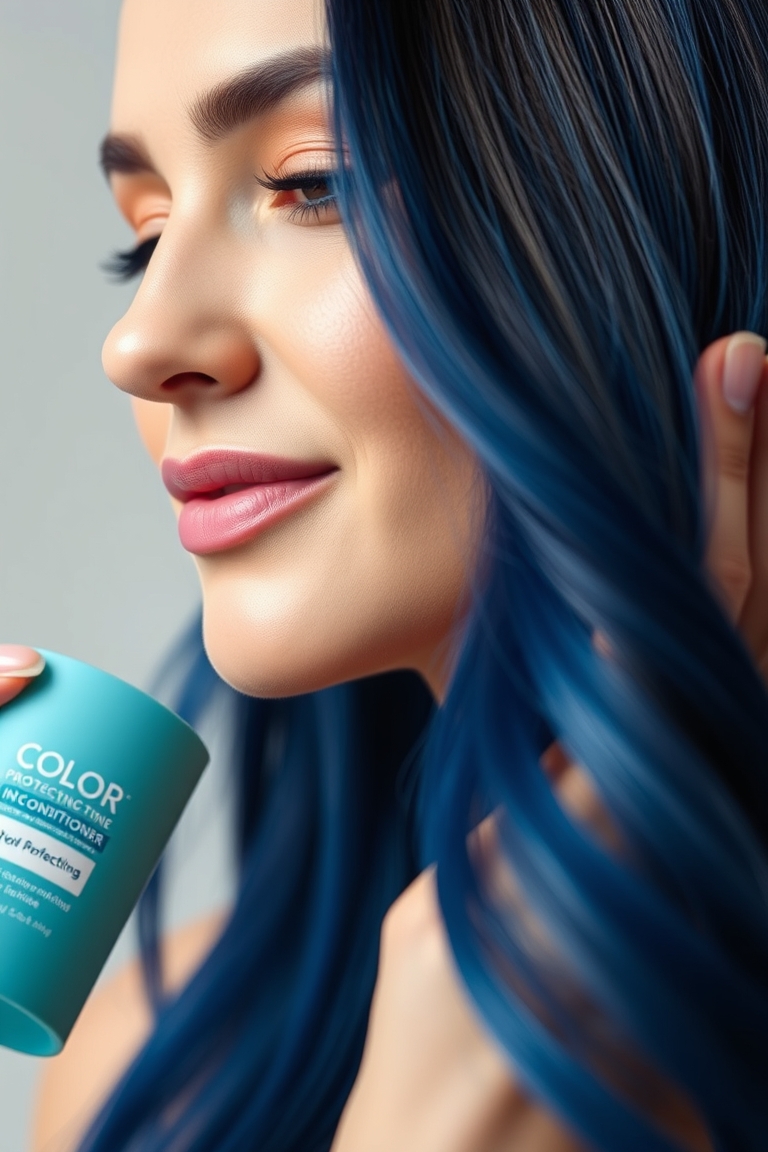
how to maintain hair color at home is a skill that many dyed hair owners seek to master. It isn’t just about choosing the right shade; it’s about a routine that keeps that color vibrant and fresh for weeks. This guide dives deep into the science, products, and habits required to master color preservation, ensuring your hair stays as bold as the day you dyed it.
Why Preserving Hair Color Matters: Beyond Aesthetics
Investing in a hair color transformation is both an emotional and financial commitment. A vibrant red, a bold blue, or a rich brown can define your identity. However, without proper care, even the most striking hues can fade within weeks. The goal of how to maintain hair color at home isn’t just to prolong color but to protect your investment and confidence. For example, a woman who dyes her hair platinum blonde may notice her roots turning brassy after a month if she skips color-safe products. This guide will help you avoid such pitfalls by combining scientific understanding with practical steps.
The Science of Color Fading: Why Your Hair Loses Its Pop
Hair color fades due to a combination of chemical, environmental, and mechanical factors. Understanding these forces is key to mastering how to maintain hair color at home. Here’s a breakdown:


Oxidation and pH Imbalance
Hair dyes work by depositing pigments into the hair shaft. Over time, exposure to oxygen (oxidation) breaks down these pigments. Additionally, the pH of your hair and products plays a critical role. Hair has a natural pH of around 4.5–5.5. Products with a pH outside this range can disrupt the cuticle layer, making it easier for color to escape. For instance, using a shampoo with a pH of 7 (neutral) can lift the cuticle, causing color to fade faster.
Environmental Stressors
- UV Radiation: Sunlight breaks down dye molecules, especially in lighter colors. A study by the Journal of Cosmetic Science found that UV exposure can reduce color vibrancy by up to 30% in 24 hours.
- Chlorine: Pool water contains chlorine, which reacts with dyes to create a chemical reaction that strips color. This is why swimmers often report faster fading.
- Heat: High temperatures from blow dryers or straighteners can open the cuticle, allowing color to wash out. A 2021 study in the International Journal of Trichology linked heat styling to 40% faster color loss.
Mechanical Damage
Frequent brushing, towel drying, or even sleeping on rough pillowcases can physically lift the cuticle, exposing the colored layer to the environment. For example, a person who sleeps on a cotton pillowcase may notice root fading faster than someone using a silk pillowcase.
How to Maintain Hair Color at Home: A Comprehensive Routine
Mastering how to maintain hair color at home requires a structured approach. Below is an expanded, step-by-step routine tailored to different hair types and color types.
1. Pre-Wash Preparation: Setting the Foundation
Before washing, prepare your hair to minimize color loss. This step is crucial for how to maintain hair color at home effectively.
Step 1: Apply a Color-Protecting Leave-In Conditioner
Use a leave-in conditioner formulated for color-treated hair. Look for ingredients like panthenol (vitamin B5) and ceramides, which strengthen the cuticle. Apply 1–2 tablespoons to damp hair, focusing on mid-lengths and ends. Let it sit for 5–10 minutes before washing. For example, a woman with fine hair might use 1 tablespoon, while someone with thick hair may need 2–3 tablespoons.
Step 2: Detangle Gently
Use a wide-tooth comb or your fingers to detangle. Avoid aggressive pulling, which can lift the cuticle. For curly or textured hair, consider a detangling spray with aloe vera to reduce friction.
2. Choose the Right Shampoo: The First Line of Defense
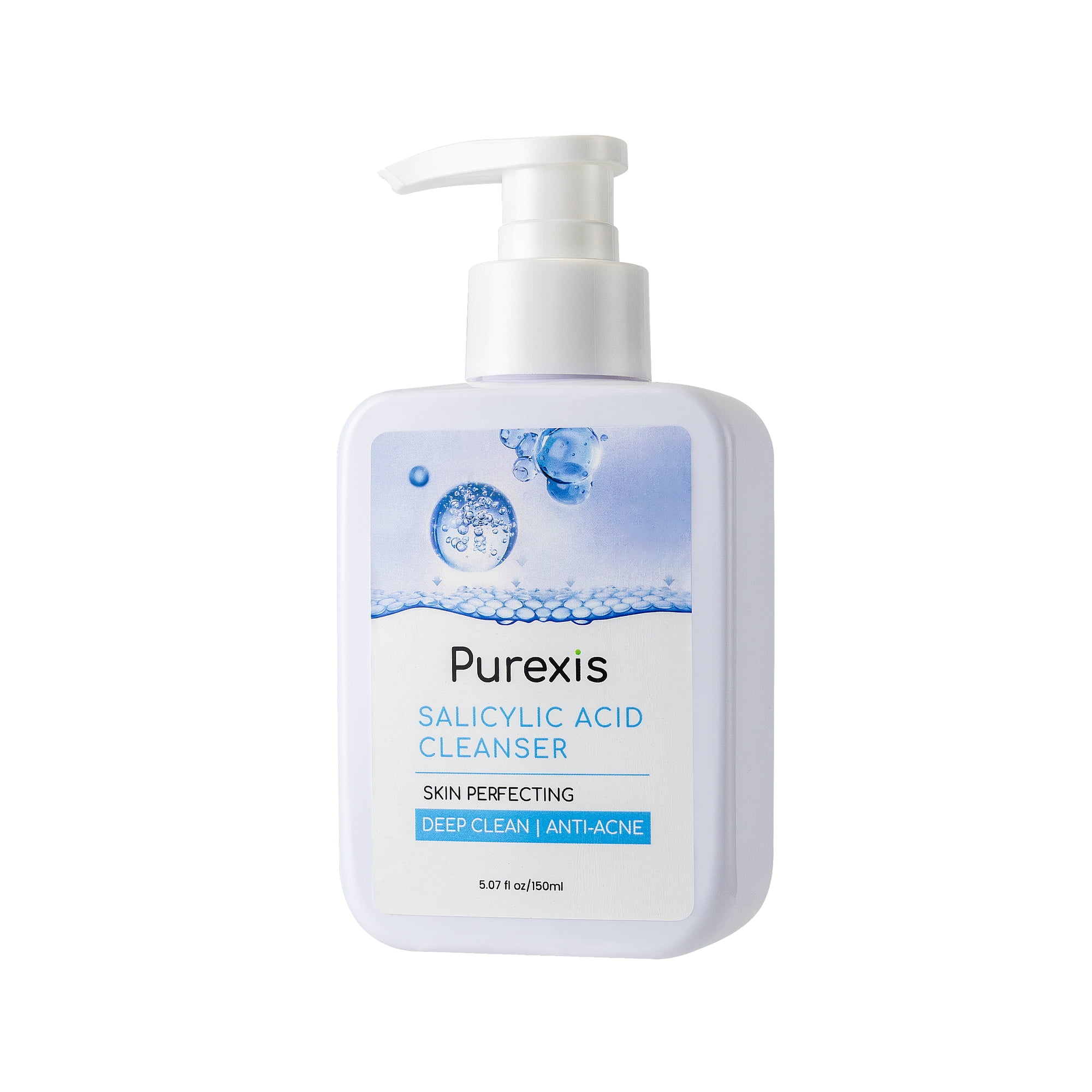
Not all shampoos are created equal. Sulfates, alcohol, and harsh detergents can strip color. Opt for sulfate-free, color-safe formulas.
Key Ingredients to Look For:
- Ammonium Lauryl Sulfate (ALS): A milder sulfate alternative that cleans without stripping.
- Glycerin: A humectant that retains moisture without harming color.
- Antioxidants (e.g., Vitamin E): Combat oxidation from environmental factors.
Recommended Products:
- ColorSafe Shampoo by XYZ Brand (sulfate-free, pH-balanced)
- Hair Color Preserver by ABC Co. (contains UV filters)
3. Deep Conditioning: Restoring Moisture and Strength
Weekly deep conditioning is essential for how to maintain hair color at home. Moisturized hair is less prone to breakage and color loss.
Step 1: Choose a Protein-Rich Mask
Protein masks replenish the hair’s structure, which can become weak from frequent dyeing. Look for masks with hydrolyzed keratin or silk protein. Apply to damp hair, wrap in a towel, and leave for 15–20 minutes. For example, a person with color-treated curly hair might benefit from a mask with shea butter for added moisture.
Step 2: Rinse Thoroughly
Ensure all product is rinsed out to avoid buildup, which can dull color. Use lukewarm water, not hot, to prevent cuticle lifting.
4. Heat Protection: Minimizing Damage
Heat is a major enemy of color. Always use a heat protectant before styling.
Step 1: Apply a Heat Protectant Spray
Spray evenly from roots to ends. Products with dimethicone or silicone create a barrier against heat. For example, a woman using a flat iron should apply the protectant 1–2 minutes before styling.
Step 2: Limit Heat Exposure
Aim for temperatures below 350°F (175°C). If possible, air-dry your hair or use a diffuser on low heat. For instance, a person with fine hair may need to avoid heat styling altogether to preserve color.
5. Wash Frequency: Finding the Right Balance
Over-washing removes natural oils that protect color. Under-washing allows buildup, which can dull hue.
General Guidelines:
- Fine or oily hair: Wash every 2–3 days.
- Thick or dry hair: Wash every 3–4 days.
- Color-treated hair: Avoid daily washing.
Exception: If you sweat heavily or swim frequently, you may need to wash more often. After swimming, rinse with fresh water and apply a leave-in conditioner immediately.
6. Cold Water Rinse: Sealing the Cuticle
Cold water closes the hair cuticle, trapping color inside. After shampooing and conditioning, rinse with cold water for 1–2 minutes. This step can make a noticeable difference in color longevity.
7. Sun and Chlorine Protection: Proactive Measures
Environmental protection is a key part of how to maintain hair color at home.
Sun Protection:
- Wear a hat or use a UV-protectant spray (e.g., UV Shield Spray).
- Apply a leave-in conditioner with UV filters before going outside.
Chlorine Protection:
- Rinse hair with fresh water after swimming.
- Apply a color-safe conditioner or a chlorine-neutralizing product (e.g., Chlorine Neutralizer by DEF Co.).
8. Avoid Over-Brushing: Gentle Handling
Brushing too often or with stiff bristles can lift the cuticle. Use a boar bristle brush or a wide-tooth comb. Start from the ends and work upward to minimize friction.
9. Color-Safe Styling Products: Essential Add-Ons
Styling products can either protect or harm your color. Choose those labeled as color-safe.
Key Features:
- Dimethicone: A silicone that creates a protective layer.
- Antioxidants: Combat oxidation from heat or sun.
Recommended Products:
- ColorSafe Gel by GHI Brand (contains dimethicone and UV filters)
- Color Protecting Spray by JKL Co. (for daily use)
10. Color Refreshers: Reviving Faded Hues
When color starts to fade, use a color refresher or a low-ammonia deposit. These products add a subtle tint without overloading your hair.
How to Use:
- Wash hair with a color-safe shampoo.
- Apply the refresher to damp hair, focusing on mid-lengths and ends.
- Rinse and style as usual.
5 Advanced Color Care Hacks for Long-Lasting Results
Beyond the basics, these hacks can significantly enhance how to maintain hair color at home.
Nighttime Protection: Reduce Friction
Sleeping on a silk pillowcase reduces friction, which can lift the cuticle. A study by the American Academy of Dermatology found that silk pillowcases reduced hair breakage by 35% compared to cotton.
Color-Protecting Shampoo Spray: A Quick Fix
After washing, spray a color-protecting formula (e.g., Color Shield Spray) to add an extra layer of defense. This is especially useful for people with busy schedules.
Limit Heat Styling: Embrace Air-Drying
Air-drying is gentler on color. If you must use heat, opt for a diffuser or a low-heat setting. For example, a woman with a bob can air-dry her hair for 20–30 minutes to save time and preserve color.
Hydrate Internally: Diet and Hydration
Drinking water and eating omega-3-rich foods (like salmon or flaxseeds) can improve hair health, making it less prone to color loss. Dehydrated hair is more susceptible to breakage and fading.
Regular Trims: Keep Color Sharp
Split ends can make color look dull. Trim every 6–8 weeks to maintain a polished look. A stylist can help identify split ends and suggest a trim schedule based on your hair type.
Common Mistakes That Accelerate Fading: Learn to Avoid Them
Even with the best intentions, certain habits can sabotage your color. Here are the top mistakes and how to correct them.
Using Hot Water for Rinsing
Hot water opens the cuticle, allowing color to wash out. Always rinse with lukewarm or cold water. A simple tip: fill your sink with cold water and rinse your hair there instead of using a hot shower.
Washing with Sulfate-Rich Shampoos
Sulfates are harsh detergents that strip color. Switch to sulfate-free formulas. For example, if you’re used to a popular brand with sulfates, look for their color-safe alternative.
Exposing Hair to Prolonged Sun or Chlorine
Wear a hat or use UV protectant when outdoors. After swimming, rinse immediately and apply a conditioner. A swimmer who skips this step may notice roots fading within days.
Not Using a Heat Protectant
Even a single heat styling session without protection can cause fading. Make it a habit to spray protectant before every heat tool use.
Over-Brushing or Using Stiff Brushes
Use a soft-bristled brush or a wide-tooth comb. For curly hair, consider a detangling brush with a flexible shaft to reduce friction.
Understanding How to Maintain Hair Color at Home: A Holistic Approach
How to maintain hair color at home isn’t just about products; it’s a lifestyle. Consistency in your routine, awareness of your hair’s needs, and proactive protection are all part of the equation. For instance, a woman who follows the routine diligently may see her color last 8–12 weeks, while someone who skips steps might see fading in 4–6 weeks. The key is to treat your hair as a living system that requires care.
Expert Tips for Different Hair Colors
Different hair colors have unique maintenance needs. Here’s how to tailor your routine:
Blonde Hair
Blonde hair is prone to yellowing. Use a purple shampoo once a week to neutralize brassiness. Also, avoid chlorine and UV exposure, which can accelerate fading.
Red Hair
Red hair fades to orange or auburn. Use a blue or violet shampoo to counteract warm tones. Additionally, protect from sun exposure, as red hair is more sensitive to UV.
Brown Hair
Brown hair can lose depth. Use a deep conditioning mask with rich pigments (e.g., chocolate or espresso) to enhance richness. Avoid over-washing to maintain natural oils.
Blue or Purple Hair
These vibrant colors fade quickly. Use a color-depositing conditioner and avoid heat styling. A blue hair color may turn green if exposed to chlorine, so rinse immediately after swimming.
Troubleshooting: What to Do When Color Fades
If your color starts to fade despite following the routine, take these steps:
- Assess the Cause: Is it sun exposure, chlorine, or over-washing? Address the root issue first.
- Use a Color Refresher: Apply a low-ammonia deposit to boost vibrancy.
- Consider a Touch-Up: If fading is severe, a professional touch-up may be necessary.
FAQ: Your Questions About How to Maintain Hair Color at Home Answered
How to Maintain Hair Color at Home: What is the Most Important Step?
The most critical step is using a sulfate-free shampoo and rinsing with cold water. These actions keep the cuticle closed, locking in color. For example, a woman who skips cold water rinses may notice fading within a week, even with good products.
What Products Should I Avoid to Preserve Hair Color?
Avoid shampoos with sulfates, alcohol, and high heat settings on styling tools. Stick to color-safe, low-pH products. For instance, a shampoo with a pH of 5.5 is ideal for color-treated hair.
How Often Should I Wash My Dyed Hair?
Every 2–3 days is ideal. Over-washing removes natural oils that protect the dye. If you have oily hair, you may need to wash more frequently, but use a color-safe formula.
Can I Use Regular Styling Products on Dyed Hair?
Only if they are labeled color-safe. Regular products may contain harsh chemicals that strip pigment. For example, a gel with high alcohol content can dry out hair and cause fading.
What is the Best Way to Protect Dyed Hair from Sun Damage?
Use a UV-protectant spray or wear a hat. Silky or cotton hats offer better protection than wool. Apply the spray every 2 hours when outdoors for extended periods.
How Can I Tell if a Product is Truly Color-Safe?
Look for labels stating “color-safe,” “sulfate-free,” and “pH-balanced.” Check the ingredient list for harsh chemicals like sulfates, alcohol, or high concentrations of dyes. For example, a product with “dimethicone” and “UV filters” is likely color-safe.
What Should I Do If My Hair Color Fades Quickly Despite Following the Routine?
First, assess your environment. Are you exposed to sun, chlorine, or heat? Then, consider using a color refresher or a low-ammonia deposit. If fading persists, a professional touch-up may be necessary to restore vibrancy.
Leave a Reply