
Choosing between balayage vs highlights is a conversation that starts the moment you sit in the stylist’s chair. You might walk in asking for “sun‑kissed strands” or “a brighter look,” but the words you use can mean very different things to the person holding the brush. Below is a detailed, no‑fluff breakdown of how each method works, what it looks like on different hair types, what it costs over time, and how to talk to your stylist so you leave with exactly what you imagined.
How the Two Techniques Actually Work
Highlights have been around for decades. The stylist sections off thin strands, wraps each piece in foil, and applies lightener from the scalp to the tip. The foil traps heat, which speeds up the chemical reaction and allows for a strong lift—often lifting dark brown hair up to two or three levels in a single session. Because the hair is isolated, the result is a uniform stripe of color that repeats across the head.
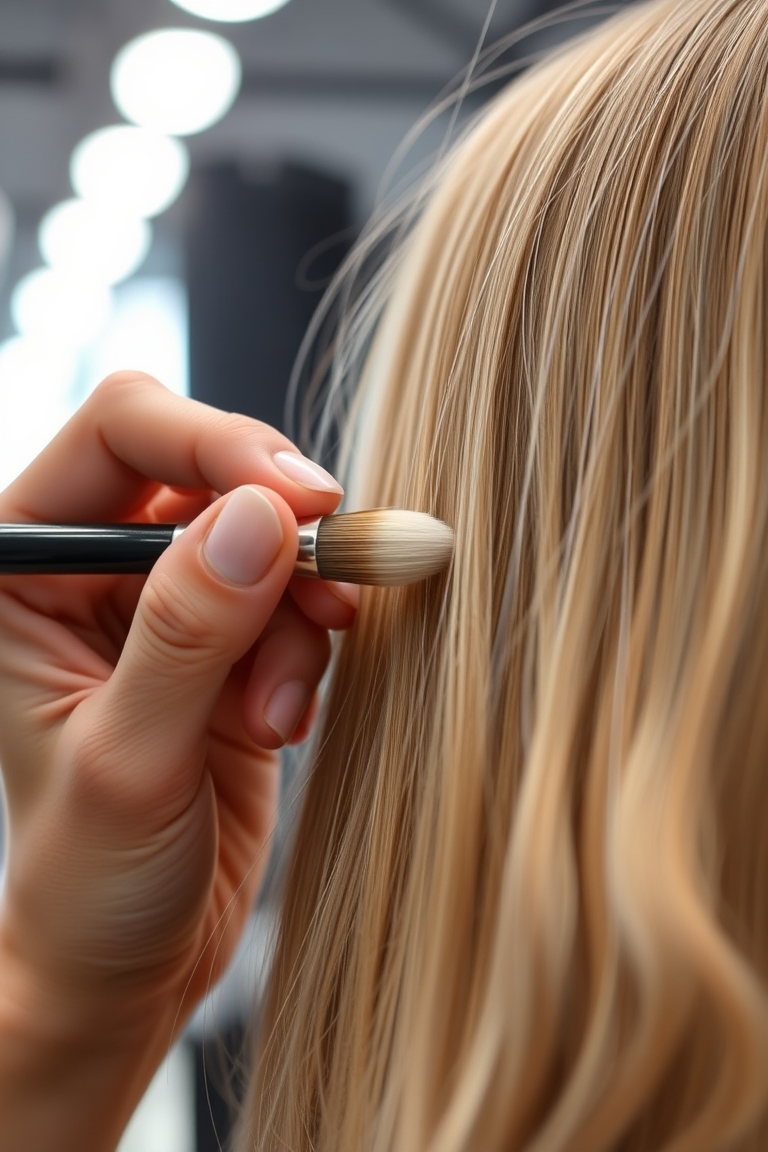
Balayage, on the other hand, is a freehand painting method. The word comes from the French balayer, meaning “to sweep.” Instead of foils, the stylist uses a brush to sweep lightener onto the surface of the hair, concentrating the product where the light would naturally hit—around the face, on the ends, and along the outer layers. The application is deliberately uneven, creating a soft gradient that mimics months of sun exposure.


What Foils Give You
- Predictable lift: The enclosed environment lets you achieve a consistent level of lightness, even on resistant, dark hair.
- Root‑to‑tip coverage: If you want the color to start at the scalp and run all the way to the ends, foils are the most reliable way to get there.
- Sharp contrast: Because each strand is processed separately, you can create a high‑contrast, almost graphic pattern of light and dark.
What Hand‑Painting Gives You
- Soft regrowth: By leaving the natural root untouched, the line where new growth appears is blurred, so you can stretch appointments to four or six months.
- Custom placement: The stylist can follow the way your hair falls, adding more light around the face to brighten your complexion or keeping the underneath darker for depth.
- Less chemical load: Because the product is applied only to the outer layers, the inner cortex sees less exposure, which can be gentler on already processed hair.
Matching Technique to Goal
There is no universal “better” option; the right choice depends on where you start and where you want to end up.
When Highlights Make Sense
Imagine you have level 4 dark brown hair and you dream of a level 9 icy blonde. To jump that many levels without ending up with a muddy, uneven result, you need the power of foils. The foil packet concentrates heat, allowing the lightener to break down melanin efficiently. This method also works well if you want a bold, chunky look—think 1990s‑style streaks or a modern, geometric pattern that frames the face.
When Balayage Is the Better Fit
If your aim is a low‑maintenance, sun‑kissed effect that looks like you spent a weekend at the beach, balayage wins. It excels on medium‑to‑long hair where there is enough length to create those sweeping strokes. On a layered bob, the painterly technique can add movement without making the cut look choppy. And because the color is concentrated away from the scalp, you won’t see a harsh line of demarcation as your hair grows out—just a gradual softening that many clients describe as “growing out gracefully.”
The Real‑World Maintenance Cycle
Let’s talk numbers. A typical full‑head highlight service costs between $150 and $250, depending on the salon’s location and the stylist’s experience. Because the regrowth line becomes visible after about six weeks, most clients schedule a touch‑up every eight weeks to keep the look fresh. Over a year, that’s roughly six visits, putting the annual expense in the $900‑$1500 range.
A balayage session usually starts at $180 and can go up to $300 or more for intricate, multi‑tonal work. The trade‑off is longevity: many clients can go four to six months between appointments before the root area looks noticeably darker. If you average three visits a year, the yearly cost lands between $540 and $900—often less than the highlight route despite the higher upfront price.
Cost‑Per‑Month Breakdown
| Method | Average Visit Cost | Typical Interval | Visits Per Year | Annual Cost |
|---|---|---|---|---|
| Highlights (foils) | $200 | 8 weeks | 6.5 | $1,300 |
| Balayage (hand‑painted) | $240 | 5 months | 2.4 | $576 |
These figures are illustrative; your actual numbers will vary based on hair length, density, and the specific formulas your stylist uses.
How to Speak Your Stylist’s Language
Walking into a salon with a vague request like “I want it lighter” often leads to mismatched expectations. To get the result you picture, bring concrete references and be honest about your lifestyle.
- Show, don’t just tell: Pull up three photos you love and three you dislike. Point out exactly what you like—maybe it’s the way the light catches the ends in the first image, or the absence of a harsh line in the second.
- State your maintenance tolerance: If you know you can only make it to the salon twice a year, say so. A good stylist will steer you toward a low‑maintenance option like balayage or a root‑shadow technique.
- Disclose your hair history: Mention any recent color, bleach, or chemical treatments. If your hair is already porous, the stylist may choose a lower‑volume developer or add a bond‑building treatment to protect the cuticle.
For tips on keeping your color vibrant between visits, see our guide on hair care essentials.
How Hair Texture Influences the Outcome
Straight hair tends to reflect light uniformly, which can make traditional highlights look like stark stripes. Balayage breaks up that uniformity by placing lighter pieces where the hair naturally catches the sun, giving the illusion of movement.
Curly and coily textures benefit from the hand‑painted approach because the stylist can follow the curl pattern. By applying lightener to the outer loops of each curl, the color enhances the shape rather than fighting it. According to hair science, the way light scatters off the cuticle determines perceived depth; balayage’s uneven application creates micro‑shadows that make curls appear more dimensional.
Common Pitfalls and How to Dodge Them
One frequent mistake is choosing a technique based solely on a celebrity’s Instagram post without considering your own hair density. A thick, waist‑length mane can carry bold, foil‑placed highlights without looking overpowering, while fine, shoulder‑length hair might appear streaky or damaged under the same treatment.
Another oversight is skipping the toner step. After lightener lifts the natural pigment, the underlying warm tones can surface as brassiness. A toner—usually a violet‑based formula for blondes or a blue‑based shade for darker lifts—neutralizes those unwanted hues. If you leave the salon thinking the color looks “off,” ask whether a toner was applied; if not, request one before you go.
Final Thoughts
Both balayage and highlights are tools in a colorist’s arsenal. The best choice hinges on the look you want, the amount of upkeep you’re willing to do, and the current condition of your hair. If you crave a striking, high‑contrast transformation that starts at the root, foils will give you that power. If you prefer a soft, lived‑in glow that lets you stretch salon visits, balayage offers a more forgiving grow‑out. Bring clear photos, be honest about your schedule, and trust your stylist to tailor the method to your unique hair.
Frequently Asked Questions
What is the main difference between balayage and highlights?
The primary distinction lies in application. Highlights use foils to isolate strands and apply lightener from root to tip, creating a uniform, often high‑contrast pattern. Balayage is a freehand sweep of lightener onto the surface of the hair, concentrating color where the sun would naturally hit and leaving the root mostly untouched for a softer transition.
Can I combine balayage and highlights in one session?
Yes. Many stylists offer a hybrid called foilyage: they paint the hair in a balayage style, then wrap the painted sections in foil to boost lift. This gives you the dimensional, sun‑kissed look of balayage with the brightness and intensity of traditional highlights.
Is balayage gentler on damaged hair?
Because balayage typically avoids the scalp and applies less product overall, it can be less aggressive than a full‑head foil highlight. However, any lightening process still involves peroxide and can stress already compromised strands. If your hair shows signs of breakage or extreme porosity, discuss a pre‑treatment bond builder or a lower‑volume developer with your stylist.
How much more should I expect to pay for a balayage compared to highlights?
The initial balayage appointment often runs $30‑$80 higher than a standard highlight service due to the time and artistry involved. When you factor in the extended interval between touch‑ups, the monthly cost of balayage frequently ends up lower than that of highlights.
What at‑home routine keeps balayage looking fresh?
Use a sulfate‑free shampoo to prevent premature fading, and incorporate a purple or blue toning conditioner once a week to counteract brassiness. Always apply a heat protectant before styling with hot tools, and consider a weekly deep‑conditioning mask to maintain elasticity, especially if your hair is frequently exposed to heat or environmental stressors.
Leave a Reply