
How often should you wash your hair is a question that many of us ask when we’re looking to maintain a healthy scalp and beautiful strands. The answer isn’t one-size-fits-all; it’s a nuanced balance between your hair type, scalp condition, lifestyle, and even the climate you live in. Below, we break down the science, myths, and practical steps so you can find the washing rhythm that keeps your hair looking its best.
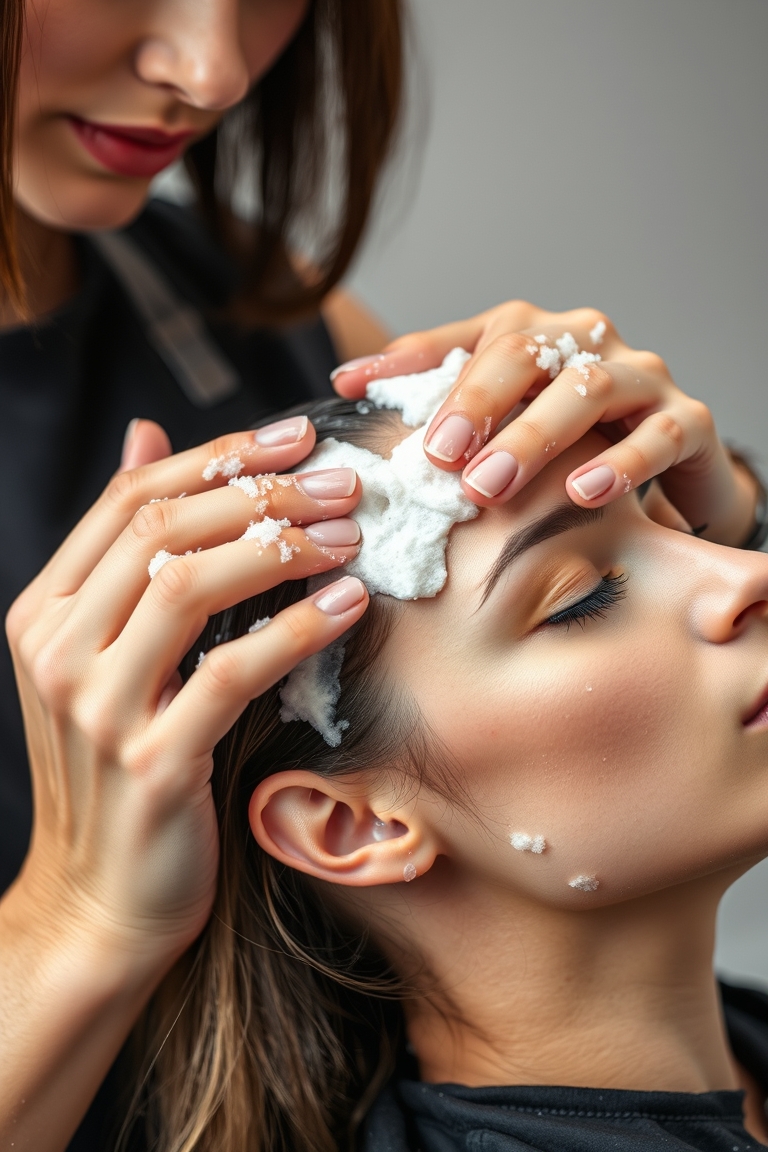

How Often Should You Wash Your Hair? The Science Behind It
Hair is made of keratin, a protein that forms a protective barrier around each strand. The scalp, meanwhile, produces natural oils—sebum—that keep hair moisturized and guard against bacteria. When you wash, you remove both sebum and dirt. If you wash too often, you strip the scalp of essential oils, potentially triggering overproduction and irritation. If you wash too little, excess oil and buildup can lead to dandruff, itchiness, and a greasy appearance.


Scientific studies on scalp sebum production show a typical cycle of 3 to 5 days for most people, though this can vary widely. That means many people can comfortably wash every 2 to 3 days without compromising scalp health. However, this baseline must be adjusted for individual factors.
Understanding Scalp Health and Oil Production
The scalp’s oil production is regulated by sebaceous glands and is influenced by hormones, genetics, and diet. A healthy scalp maintains a delicate moisture balance: enough oil to keep hair soft, but not so much that it clogs follicles. When you wash, you’re essentially resetting that balance. The goal is to keep it within the optimal range.
For a deeper dive into scalp biology, check out the Scalp page on Wikipedia, which offers a comprehensive overview of the anatomy and function of this often-overlooked area.
Factors That Influence Washing Frequency
- Hair Type: Fine, straight hair tends to get oily faster, while thick, curly hair may dry out more quickly.
- Scalp Condition: Oily, flaky, or itchy scalps may require more frequent washing.
- Lifestyle: Athletes or people who sweat heavily might need daily washing.
- Environment: Polluted or humid climates can affect oil levels and buildup.
- Color or Chemical Treatments: Processed hair often needs gentler, less frequent washing.
Personalizing Your Washing Routine
Hair Type
Fine, oily hair: 2–3 times per week. Your scalp produces oil quickly, and frequent washing helps prevent a greasy look.
Wavy or normal hair: 3–4 times per week. This strikes a balance between oil control and moisture retention.
Curly or dry hair: 1–2 times per week. Curly hair tends to be drier, so over-washing can strip natural oils and cause frizz.
Scalp Condition
Oily scalp: Daily or every other day. The goal is to keep sebum levels in check.
Dry or sensitive scalp: 2–3 times per week, using a mild, sulfate-free shampoo.
Lifestyle and Environment
Heavy exercise or high humidity can increase oil and sweat, necessitating more frequent washes.
Living in a polluted city may require washing more often to remove airborne toxins.
Color and Treatments
Color-treated or bleached hair: 1–2 times per week, as harsh shampoos can strip color and damage the cuticle.
Natural or minimally processed hair: 3–4 times per week is usually fine.
Common Myths About Overwashing and Undercleaning
Myth 1: Washing every day cleans your hair better. In reality, daily washing can lead to a dry, brittle scalp that produces even more oil.
Myth 2: Not washing at all means your hair stays clean. Buildup can accumulate, causing scalp irritation and dullness.
Myth 3: A thick lather means a deeper clean. Lather depth is more about shampoo concentration than cleaning power.
Practical Tips for Finding the Right Frequency
- Start with a baseline: wash every 3 days and observe changes.
- Use a “spot test”: if you notice a greasy scalp or itchy skin, increase frequency.
- Try a dry shampoo between washes to absorb excess oil.
- Switch to a sulfate‑free formula if you notice scalp irritation.
- Track your routine in a journal; note how your hair feels each day.
When to Adjust Your Routine
Seasonal changes can affect oil production. In summer, you may need to wash more often; in winter, less. Hormonal shifts—such as during pregnancy or menopause—can also alter sebum levels.
If you notice hair breakage or split ends increasing, consider reducing washing frequency, or using a leave‑in conditioner to maintain moisture.
Step‑by‑Step Washing Routine
1. Pre‑Wash Prep
Rinse your hair with lukewarm water to open the cuticle. This reduces friction during shampooing and helps distribute products evenly.
2. Shampooing
Apply a dime‑sized amount of shampoo to your scalp, focusing on the roots. Massage in a circular motion for 30–45 seconds. Avoid scrubbing the ends; they’re already dry and can split.
3. Conditioning
After rinsing, apply conditioner from mid‑length to tips. Leave it on for 2–3 minutes to allow deep hydration. For thick or damaged hair, a longer hold (up to 5 minutes) can be beneficial.
4. Rinse Thoroughly
Use cool water to close the cuticle, locking in moisture and adding shine. A final rinse ensures no residue remains.
5. Post‑Wash Care
Pat dry with a microfiber towel—tossing or rubbing can frizz. Apply a lightweight serum or leave‑in conditioner to protect the ends.
Seasonal Adjustments to Your Routine
- Summer: Sweat and humidity boost oil; consider washing every 2–3 days and using a clarifying shampoo once a week.
- Fall: Transitioning temperatures can cause dryness; add a hydrating mask twice a month.
- Winter: Air conditioning and indoor heating dry out the scalp; reduce washing to once a week and use a richer conditioner.
- Spring: Allergens and pollen may irritate the scalp; a gentle, fragrance‑free shampoo helps.
Choosing the Right Products
- Sulfate‑Free: Gentle on the scalp; preserves natural oils.
- pH Balanced (4.5–5.5): Matches scalp’s natural acidity, preventing irritation.
- Natural Ingredients: Tea tree oil for dandruff, argan oil for shine, aloe vera for soothing.
- Color‑Safe Formulas: Contain antioxidants like vitamin E to protect pigment.
Common Mistakes to Avoid
- Using Hot Water: Scalds the scalp, increases oil production, and dries the cuticle.
- Skipping Conditioner: Leaves ends brittle and prone to split ends.
- Over‑Rinsing: Removes protective proteins, leading to frizz.
- Using the Same Shampoo Daily: Can cause buildup and scalp irritation.
- Ignoring Scalp Health: Overlooking dandruff or psoriasis can worsen over time.
DIY Home Remedies for a Cleaner Scalp
- Apple Cider Vinegar Rinse: Mix 1 part vinegar with 3 parts water; rinses remove residue and balance pH.
- Chamomile Tea Rinse: Soothes irritation and adds natural shine.
- Honey Mask: Combines honey with coconut oil; moisturizes and fights bacteria.
- Coffee Scrub: Use ground coffee with olive oil; exfoliates the scalp and stimulates circulation.
FAQ
How often should you wash your hair if you have a very oily scalp?
For an oily scalp, washing every day or every other day can help control excess oil and keep hair looking fresh.
Can I skip shampoo entirely if I have curly hair?
Yes, many curly-haired individuals opt for co‑washing (conditioner only) or a gentle, sulfate‑free shampoo once a week to preserve natural oils.
What is the best time of day to wash my hair?
Morning is ideal for most people, as it allows you to style fresh hair for the day. Evening washing can be beneficial for those who sweat heavily during workouts.
Is dry shampoo a good substitute for washing?
Dry shampoo can absorb excess oil between washes, but it shouldn’t replace regular washing entirely, as it doesn’t remove buildup.
Does washing frequency affect hair color longevity?
Yes—washing too often can strip color. Color‑treated hair usually benefits from washing 1–2 times per week with a color‑safe shampoo.
What should I do if my scalp feels itchy after washing?
Check for dandruff or psoriasis. Try a medicated anti‑dandruff shampoo, reduce shampoo frequency, or use a soothing oil like tea tree or lavender.
Can I use the same conditioner for all hair types?
Not always. Fine hair benefits from lightweight formulas; thick or curly hair needs richer, protein‑rich conditioners to prevent breakage.
Is it okay to wash hair with tap water in hot climates?
Tap water can contain chlorine or minerals that dry out hair. Consider using a water softener or filtering your water if you notice dryness.
How do I know if I’m washing too often?
Signs include increased oiliness, scalp irritation, hair breakage, or a dull, lifeless look. Reduce frequency by a day or two and observe changes.
Should I wash my hair before or after a workout?
It depends on sweat levels. If you sweat heavily, washing immediately can prevent buildup. If you sweat lightly, a post‑workout shower is fine.
For more in-depth haircare strategies, visit our haircare blog and explore tips tailored to every hair type.

Leave a Reply