
How often should you wash your hair? This question plagues millions of people worldwide, yet the answer isn’t one-size-fits-all. Your hair washing frequency depends on factors like hair texture, scalp health, lifestyle, and even environmental exposure. Let’s dive into the science and practical advice to help you determine your ideal routine.
Understanding Your Hair’s Unique Needs
No two heads of hair are the same. Whether you have fine, thick, curly, or straight hair, your washing frequency should align with your hair’s natural oils and structure. For instance, those with oily scalps might need to wash more frequently, while dry or curly hair types may benefit from less frequent washing to preserve moisture.
The Science Behind Hair Oils
Your scalp produces sebum, a natural oil that protects and moisturizes hair. Overproduction can lead to greasiness, while underproduction may cause dryness. Washing too often strips these oils, leading to overwashing, while washing too infrequently can result in product buildup or scalp irritation.


Common Hair Types & Their Ideal Washing Frequencies
Below is a quick reference guide that matches hair type to suggested washing intervals. Remember, these are starting points—listen to your scalp and adjust as needed.
- Fine, straight hair: 1–2 days. Fine strands absorb oil quickly, so daily washing may be necessary in humid climates.
- Normal, medium thickness: 2–3 days. A balanced approach works for most.
- Thick, coarse hair: 3–4 days. The extra volume can hold oil longer.
- Curly or textured hair: 4–7 days. Curly hair is naturally drier; less washing preserves moisture.
- Color-treated hair: 3–4 days. Color fades faster with frequent washing.
- Oily scalp (regardless of hair type): 1–2 days. Focus on scalp cleansing.
- Dry scalp (scalp dermatitis, eczema): 4–7 days. Gentle, infrequent washing helps maintain barrier.
Concrete Examples
• Case 1: Maya has fine, straight hair and lives in a humid city. She finds that washing every other day keeps her hair fresh without excessive oil buildup.
• Case 2: Jamal has thick, curly hair and works outdoors. He washes once a week, using co-wash on the days in between to keep his curls defined.
Co-Washing: A Game-Changer for Some
Co-washing involves using a conditioner or cleansing cream to cleanse hair without stripping moisture. This method is ideal for those who wash their hair less frequently, as it maintains hydration while removing buildup. However, it’s not a substitute for shampoo if you have product buildup or an oily scalp.
Lifestyle Factors That Influence Washing Frequency
How often you exercise, swim, or expose your hair to pollutants plays a role. Athletes or swimmers may need to wash daily to remove sweat and chlorine, while others in low-activity lifestyles might wash less often. Travelers exposed to different climates or humidity levels should adjust accordingly.
Overwashing: The Hidden Culprit
Overwashing is a common mistake. Washing hair daily can lead to dryness, breakage, and an unbalanced scalp microbiome. Signs of overwashing include tightness, flakiness, or excessive oiliness as your scalp compensates for stripped oils. To avoid this, listen to your hair’s needs rather than a strict schedule.
How Often Should You Wash Your Hair for Scalp Health?
Your scalp is a living ecosystem. Overwashing can disrupt its pH balance, leading to issues like dandruff or irritation. A balanced approach involves washing just enough to remove dirt and product without over-drying. For most people, every 2–3 days is a safe range, but this varies.
Signs Your Scalp Needs More or Less Washing
- Needs more washing: Excess oil, visible dirt, or scalp odor.
- Needs less washing: Dryness, itchiness, or tight roots.
Practical Tips to Optimize Your Hair Washing Routine
Here are actionable steps to refine your routine. Start by choosing a sulfate‑free shampoo to preserve natural oils. Use lukewarm water to avoid stripping heat‑sensitive proteins in hair. Focus shampoo application on the scalp, not the lengths, to prevent dryness. Follow with a conditioner tailored to your hair type.
Step‑by‑Step Washing Guide
- Wet hair thoroughly with warm water.
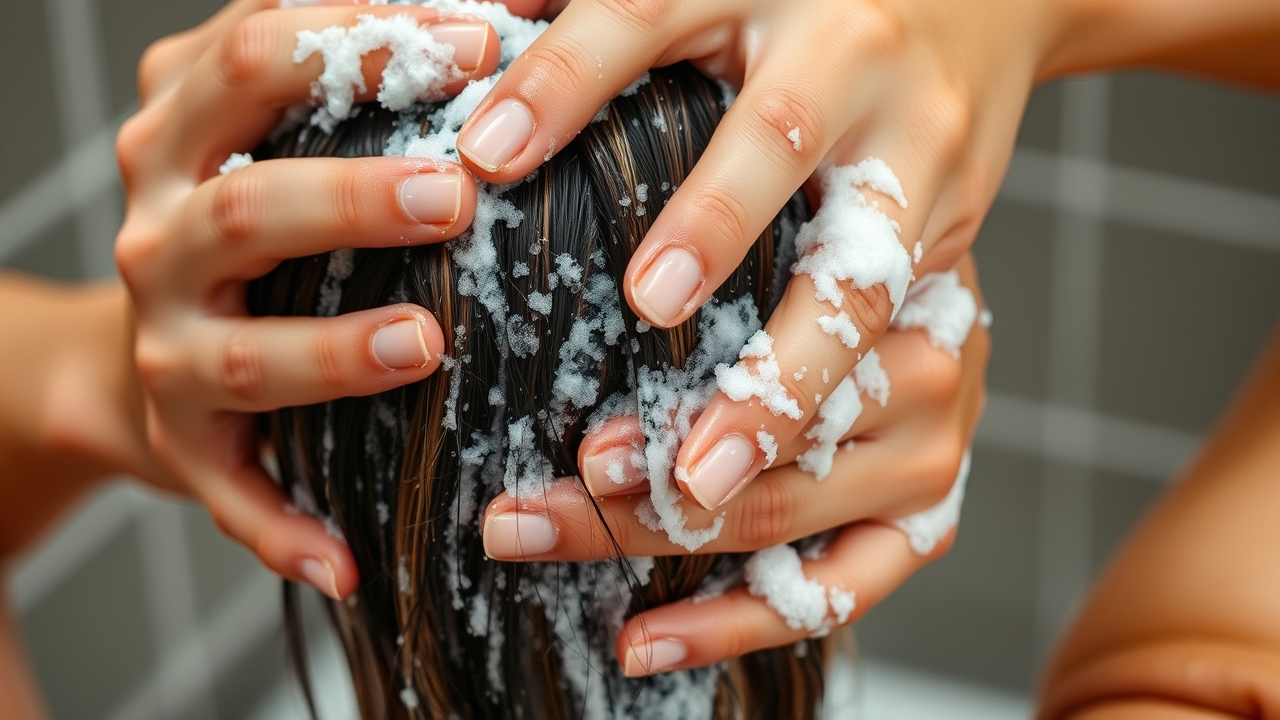
- Apply shampoo to the scalp and massage gently with fingertips (not nails) for 30–60 seconds.
- Rinse thoroughly, ensuring no residue remains.
- Apply conditioner from mid‑lengths to ends, avoiding the roots.
- Leave the conditioner on for 2–3 minutes, then rinse with cool water to seal cuticles.
- Gently squeeze out excess water with a microfiber towel or an old T‑shirt.
- Apply a leave‑in treatment or light oil if needed.
- Let hair air‑dry or use a diffuser on low heat.
Product Selection Guide: Choosing the Right Shampoo and Conditioner
Not all products are created equal. Here’s what to look for based on your hair type:
- Fine, oily hair: Light, volumizing formulas with gentle surfactants.
- Thick, coarse hair: Hydrating shampoos with glycerin, panthenol, and natural oils.
- Curly or textured hair: Sulfate‑free, protein‑rich conditioners that lock in moisture.
- Color‑treated hair: Color‑protecting shampoos with UV filters and antioxidants.
- Scalp issues: Medicated shampoos containing zinc pyrithione or ketoconazole.
Seasonal Adjustments
Weather changes can dramatically affect scalp oil production and moisture loss. Adjust your routine as follows:
- Summer: Increase rinses to remove sweat and sunscreen. Use a lightweight, oil‑free shampoo.
- Winter: Reduce washing frequency to prevent dryness. Opt for richer, oil‑based products.
- Spring/Fall: Maintain a balanced routine; monitor for pollen or dust buildup.
DIY Scalp Treatments to Complement Your Washing Routine
When your scalp feels irritated or dry, try these home remedies:
- Tea tree oil rinse: Add 5–10 drops of tea tree oil to a cup of warm water; rinse for 5 minutes to combat dandruff.
- Aloe vera gel: Apply pure gel to the scalp to soothe inflammation and moisturize.
- Honey mask: Mix 1 tbsp honey with 1 tbsp coconut oil; apply to scalp for 15 minutes to nourish and reduce itchiness.
- Apple cider vinegar rinse: Dilute 1 part vinegar with 4 parts water; rinse after shampoo to restore pH balance.
When to Seek Professional Help
If you notice persistent scalp issues—severe itching, redness, or hair loss—consult a dermatologist or trichologist. Professional treatments may include prescription shampoos, topical steroids, or laser therapy.
How Often Should You Wash Your Hair When Traveling?
Travel disrupts routines, but it also exposes hair to new environments. Humid climates may require more frequent washing to combat frizz, while dry climates might allow for less frequent washes. Carry travel‑sized products and consider using dry shampoo for touch‑ups between washes.
Post‑Swim Hair Care
Chlorine and saltwater can damage hair. Rinse hair with fresh water immediately after swimming, and follow up with a gentle shampoo. Avoid blow‑drying on high heat to minimize stress on hair strands.
How Often Should You Wash Your Hair to Maintain Color?
For colored hair, overwashing can fade dye faster. Aim to wash every 2–3 days and use color‑safe products. Avoid hot water, which can open cuticles and accelerate fading. Consider using dry shampoo between washes to extend color longevity.
Protecting Dyed Hair
- Use sulfate‑free, color‑specific shampoos.
- Limit heat styling between washes.
- Consider a deep conditioning treatment weekly.
FAQ: How Often Should You Wash Your Hair?
- How often should I wash my hair? It depends on your hair type and lifestyle. Most people can wash every 2–3 days, but adjustments may be needed for oily, dry, or textured hair.
- Does washing hair daily damage it? Daily washing can strip natural oils, leading to dryness and breakage. However, if you have an oily scalp or sweat heavily, a daily rinse may be necessary.
- Can I wash my hair once a week? Yes, especially if you have dry or curly hair. Use co‑wash or a gentle, sulfate‑free shampoo on the days you do wash.
- How do I determine my optimal washing frequency? Track how your scalp feels over a month. If it feels tight or itchy, reduce frequency; if it’s greasy or smells, increase it.
- What if I have an oily scalp? Focus on scalp cleansing. Use a light, oil‑free shampoo and rinse thoroughly. Consider a clarifying shampoo once a month.
Conclusion
There’s no universal answer to how often you should wash your hair, but with a clear understanding of your hair type, scalp health, and lifestyle, you can craft a routine that keeps your strands clean, strong, and vibrant. Start with the guidelines above, tweak as you go, and listen to your scalp’s signals. For more detailed hair care routines, check out our comprehensive guide to everyday hair care. If you’re looking for deeper insights, the Healthline article on how often to wash hair offers additional research and tips.
Leave a Reply