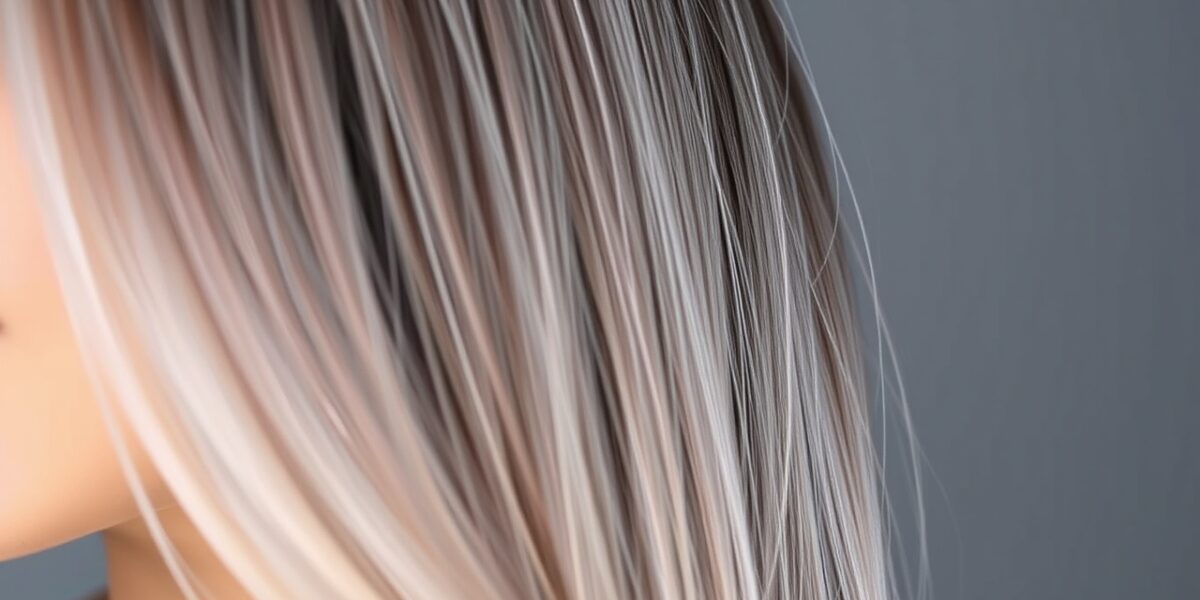
Blending gray hair isn’t about hiding the silver—it’s about making it work with your natural color. Imagine a woman in her 40s, noticing her first gray strands at the temples. Instead of opting for a full gray dye job, she chooses to blend, creating a soft gradient that looks effortless. This technique, when done right, can make gray hair appear as a natural part of her style rather than a sign of aging. The key lies in understanding how light interacts with pigment and using the right techniques to create depth without harsh contrasts.
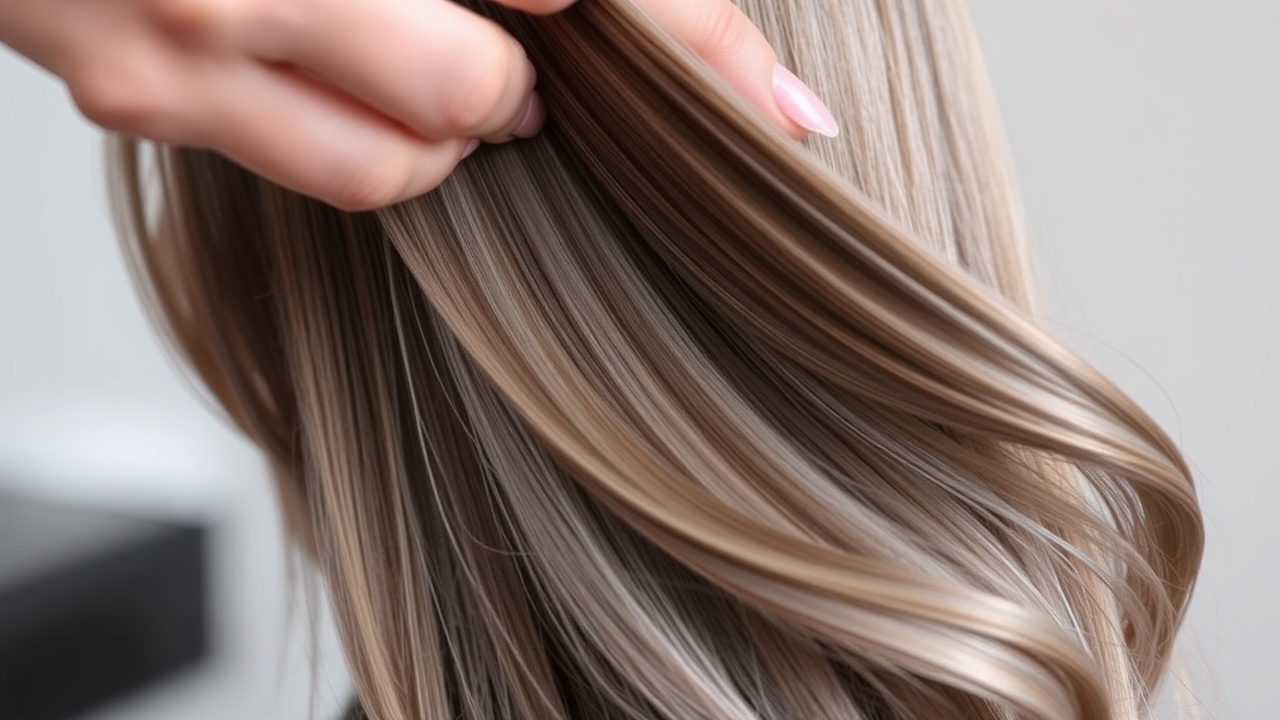
Why Blend Gray Hair?
Full coverage dye jobs can create a stark line between natural color and gray, especially as hair grows. Blending, however, uses lowlights, shadow roots, or babylights to integrate gray strands into the existing color. This approach is ideal for those who want a low-maintenance look that grows out gracefully. For example, a client with medium brown hair might use lowlights to create a shadow that mimics her natural base, making the gray less noticeable. This method works for all hair types, from straight to curly, and can be adjusted for a subtle salt-and-pepper effect or a bolder, fashion-forward gray.
Understanding Hair Pigment and Gray
Hair color comes from melanin, a pigment produced by hair follicles. As we age, melanin production slows, leading to gray or white hair. The underlying natural color still influences how gray appears. A dark brown base might show gray as a subtle silver, while a blonde base could make it look more stark. Blending gray hair involves adding lowlights or darker tones that mimic the natural base, creating a shadow that softens the transition. For instance, a woman with dark brown hair might use a cool espresso lowlight to match her base, making the gray appear as a natural highlight rather than a contrast.


Lowlights for Gray: The Core Technique
Lowlights are a game-changer for blending gray hair. Unlike highlights, which lighten hair, lowlights deposit darker pigment to create depth. This technique is perfect for masking gray strands without over-processing. For example, a stylist might apply a lowlight to the underside of a section where gray is most visible, using a shade one to two levels darker than the base. The result is a soft shadow that makes the gray blend seamlessly. This method is especially effective for those with dark or medium hair, as the contrast is less noticeable.
Choosing the Right Lowlight Shade
Selecting the right shade is critical. For dark brown or black hair, a cool espresso or soft black works well. A client with medium brown might opt for a muted chocolate or walnut shade to add depth without overpowering the base. For lighter hair, a taupe or ash brown can create the needed contrast. Consider skin undertones: cool skin tones pair with ashy shades, while warm tones benefit from golden or caramel lowlights. A real-world example: a woman with warm skin tones might choose a caramel lowlight to avoid a cool, unnatural look.
How to Blend Gray Hair: Step-by-Step Guide
Blending gray hair at home is achievable with the right tools and technique. Here’s a practical approach for beginners:
Step 1: Prepare the Hair
Start with clean, dry hair free of product buildup. Use a clarifying shampoo the day before to remove residue, then let it dry completely. Detangle with a wide-tooth comb to ensure even application. For a client with thick hair, sectioning into smaller parts can help avoid uneven coverage.
Step 2: Section the Hair
Divide the hair into four quadrants: two at the front and two at the back. Clip each section securely. This helps in targeting areas where gray is most visible, like the hairline, part, and crown. A stylist might use a comb to create precise sections, ensuring the lowlights are applied where they’ll have the most impact.
Step 3: Mix the Lowlight Formula
Choose a demi-permanent or semi-permanent dye that is one to two levels darker than your base. For example, a woman with dark brown hair might use a deep espresso. Follow the manufacturer’s instructions for mixing ratios. To achieve a translucent effect, dilute the dye with a little conditioner or a clear gloss. This step is crucial for a natural look, as over-saturation can create a harsh line.
Step 4: Apply the Lowlights
Using a tint brush, apply the color to the underside of each section, focusing on areas where gray is visible. Avoid saturating the top layer; the goal is to create a shadow. For instance, a stylist might apply the lowlight to the base of the hair, just below the roots, to mimic natural depth. Process for 10–20 minutes, then rinse with cool water to set the color.
Step 5: Tone and Gloss (Optional)
If the lowlights appear too warm after rinsing, apply a toning gloss or purple shampoo for 2–3 minutes to neutralize brassiness. Finish with a lightweight conditioner to seal the cuticle and add shine. A client with curly hair might use a moisturizing conditioner to prevent dryness after the process.
Blend Grays with Babylights and Shadow Root
Beyond lowlights, other techniques can enhance the blend. Babylights and shadow roots offer subtle ways to integrate gray without a full dye job.
Babylights for Subtle Dimension
Babylights are ultra-fine highlights that mimic the natural sun-kissed effect seen in children’s hair. When used to blend gray hair, they are placed sparingly throughout the mid-lengths and ends. For example, a stylist might apply babylights to a client’s ends to create a soft lift, making the gray appear as a natural highlight. This technique is ideal for those who want a low-maintenance look that grows out gracefully.
Shadow Root for a Grown-Out Look
A shadow root involves applying a slightly darker shade at the roots and leaving the mid-lengths lighter. This technique is perfect for those who want to let their gray grow out while maintaining a blended appearance at the top. For instance, a woman with a short bob might use a shadow root to keep the roots dark, reducing the need for frequent touch-ups. The shadow root can be refreshed every 8–12 weeks, depending on hair growth rate.
Gray Coverage Options When Blending Isn’t Enough
Sometimes, the amount of gray exceeds what lowlights can mask. In such cases, a combination of lowlights and a sheer gloss can provide coverage without the heaviness of permanent dye. A demi-permanent gloss deposits just enough pigment to tone the gray while allowing the underlying shade to show through. For example, a client with extensive gray might use a gloss to tone the silver strands, creating a natural, translucent finish.
Going Gray Gracefully: Embracing the Transition
For many, the goal isn’t to hide gray but to celebrate it. Going gray gracefully means working with the natural silver rather than fighting it. Techniques like a silver toner, a pastel lavender rinse, or a soft smoky lowlight can enhance the gray tones, giving it personality. Pairing the blended base with a haircut that adds movement—like layered cuts or a textured bob—helps the gray catch the light and look intentional. A real example: a client with a textured pixie cut might use a smoky lowlight to add depth, making the gray appear as a stylish feature rather than a sign of aging.
Maintenance Tips for Blended Gray Hair
To keep your blended gray hair looking fresh, follow these simple practices:
- Use a sulfate-free shampoo and conditioner formulated for color-treated hair. A client with blonde hair might choose a color-safe shampoo to prevent fading.
- Wash with lukewarm water; hot water can open the cuticle and cause color to fade faster. A stylist might recommend a cool water rinse to set the lowlights.
- Apply a leave-in conditioner or light oil to the ends weekly to prevent dryness. For curly hair, a moisturizing oil like argan oil can help maintain softness.
- Schedule a toner or gloss refresh every 6–8 weeks to neutralize any brassiness. A client with warm skin tones might use a purple toner to keep the lowlights cool.
- Protect hair from UV exposure with a hat or UV-filter spray, as sunlight can yellow gray strands. A woman who spends time outdoors might use a UV-protective serum.
- Avoid excessive heat styling; when you do use tools, apply a heat protectant. A client with fine hair might opt for air-drying to prevent damage.
For more on caring for blended gray hair, see our guide to gray hair care.
Common Mistakes to Avoid
Even experienced colorists can slip up when trying to blend gray hair. Watch out for these pitfalls:
- Using a shade that is too warm, which can create an orange or brassy cast against gray. For example, a client with cool skin tones might accidentally use a warm brown lowlight, making the gray look unnatural.
- Over-processing the lowlights, leading to uneven patchiness. A stylist might apply too much dye, causing the color to look patchy instead of blended.
- Placing the color only on the surface, which creates a visible line rather than a shadow. The key is to apply the lowlight to the underside of the hair.
- Neglecting to adjust the formula as the natural base changes with new growth. A client with fast-growing hair might need to adjust the shade every few weeks.
- Skipping the strand test, which can reveal unexpected reactions especially on previously colored hair. A strand test is crucial for determining the right processing time and shade strength.
Frequently Asked Questions
How to Blend Gray Hair: What is the Easiest Method for Beginners?
The simplest approach is to apply a demi-permanent lowlight shade one level darker than your base to the underside of sections where gray is most visible. Process for the recommended time, rinse, and finish with a gloss. This method requires minimal tools and offers a forgiving learning curve. For example, a beginner might use a dark espresso lowlight on a section near the hairline, processing for 15 minutes, then rinsing and applying a gloss to set the color.
How Often Should I Refresh the Lowlights?
Typically every 8–12 weeks, depending on how fast your hair grows and how noticeable the regrowth is. If you prefer a softer grow-out, you can stretch the interval to 12–16 weeks and use a toning gloss in between to keep the tone fresh. A client with slow-growing hair might refresh every 12 weeks, while someone with fast growth might do it every 8 weeks.
Can I Blend Gray Hair if I Have Previously Highlighted Hair?
Yes, but you may need to adjust the formula to avoid over-darkening the existing highlights. A professional can perform a strand test to determine the right processing time and shade strength. For instance, a client with previous highlights might need a lighter lowlight to avoid making the gray too stark.
What is the Difference Between Lowlights and Highlights for Gray Blending?
Lowlights deposit darker pigment underneath the hair to create shadow, while highlights lift the color to add lighter strands. For blending gray hair, lowlights are generally preferred because they reduce contrast without causing additional lightening that can make gray appear more stark. A stylist might use lowlights on a client with dark hair and highlights on a client with light hair to achieve the desired effect.
Is Blending Gray Hair Suitable for All Hair Textures?
Absolutely. Whether your hair is straight, wavy, curly, or coily, the technique works the same way. The key is to apply the lowlights evenly and to use a moisturizing after-care routine to keep the hair healthy and supple. A client with curly hair might use a lowlight to create depth without losing the natural texture of their curls.
Leave a Reply