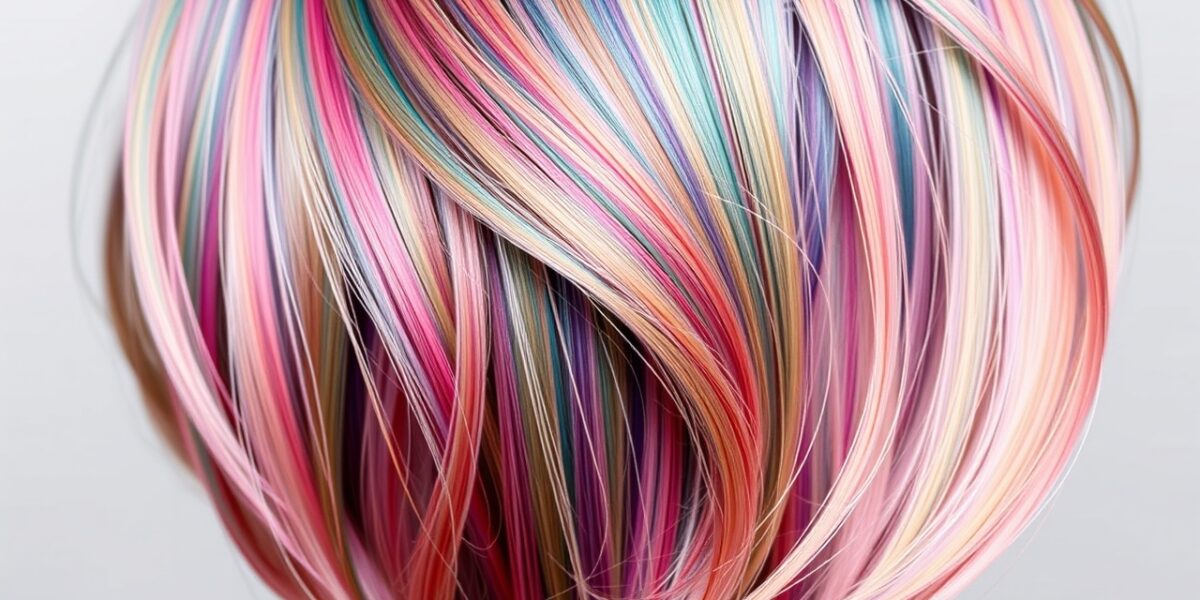
How to maintain hair color at home starts with understanding that color-treated hair requires specialized care. Unlike natural hair, dyed strands are more vulnerable to damage from chemicals, heat, and environmental stressors. Without a consistent at-home regimen, vibrant hues can fade within weeks. This guide breaks down proven techniques to preserve your color investment, whether you’ve invested in bold reds, soft pastels, or rich blacks. The key lies in adopting a color-safe routine that prioritizes moisture retention and minimizes exposure to fading agents. For instance, color-treated hair lacks the natural protective layer of melanin, making it prone to oxidation and chemical breakdown. This vulnerability means that even everyday activities like washing or swimming can accelerate fading. By adopting a tailored approach, you can extend the life of your color while keeping your hair healthy.
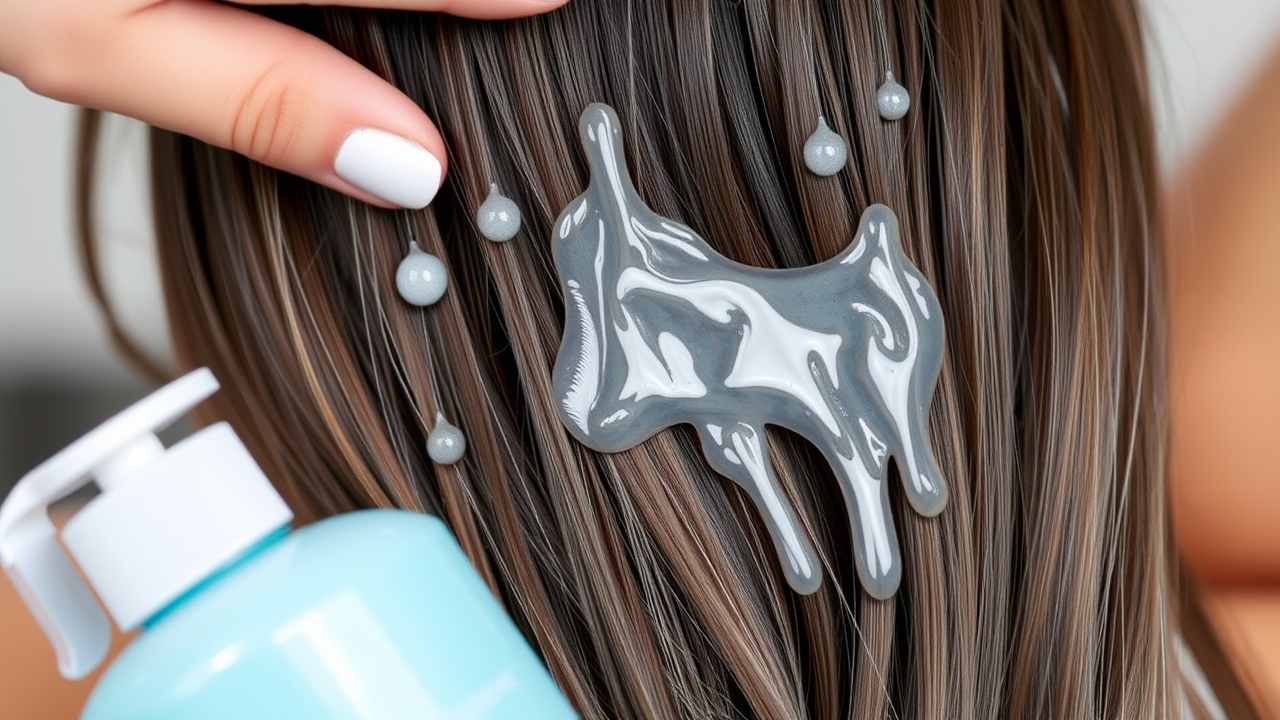
One of the most common mistakes people make when trying to maintain hair color at home is using products not formulated for colored hair. Regular shampoos often contain sulfates and harsh detergents that strip color molecules. Instead, opt for sulfate-free formulas labeled as color-safe. These products gently cleanse without compromising vibrancy. For example, sulfates like sodium lauryl sulfate (SLS) create a strong lather but can disrupt the dye’s molecular structure, leading to premature fading. A better alternative is a gentle cleanser with mild surfactants like cocamidopropyl betaine. Another critical step is limiting washing frequency. Over-washing accelerates fading by removing natural oils that protect color. For most hair types, washing every 2-3 days balances cleanliness and color preservation. On non-wash days, use dry shampoo to absorb excess oil without disturbing the dye. Dry shampoos containing silica or rice starch are ideal, as they don’t strip color but add volume and texture.
Preserve Hair Color with a Color-Safe Routine
Building a color-safe routine is foundational to learning how to maintain hair color at home. Start by selecting shampoos and conditioners specifically designed for color-treated hair. Look for ingredients like keratin, argan oil, or vitamin E, which strengthen strands and seal in pigment. For example, keratin helps repair damaged hair cuticles, reducing porosity and preventing color loss. Argan oil, rich in antioxidants, protects against UV damage and enhances moisture retention. Avoid products with ammonia or bleach, which can cause brassy tones or premature fading. Ammonia, often found in clarifying shampoos, can strip color by altering the pH balance of the hair. Instead, choose products with pH-balanced formulas, which mimic the natural pH of hair and reduce irritation.


Prevent Color Fading with Strategic Washing Techniques
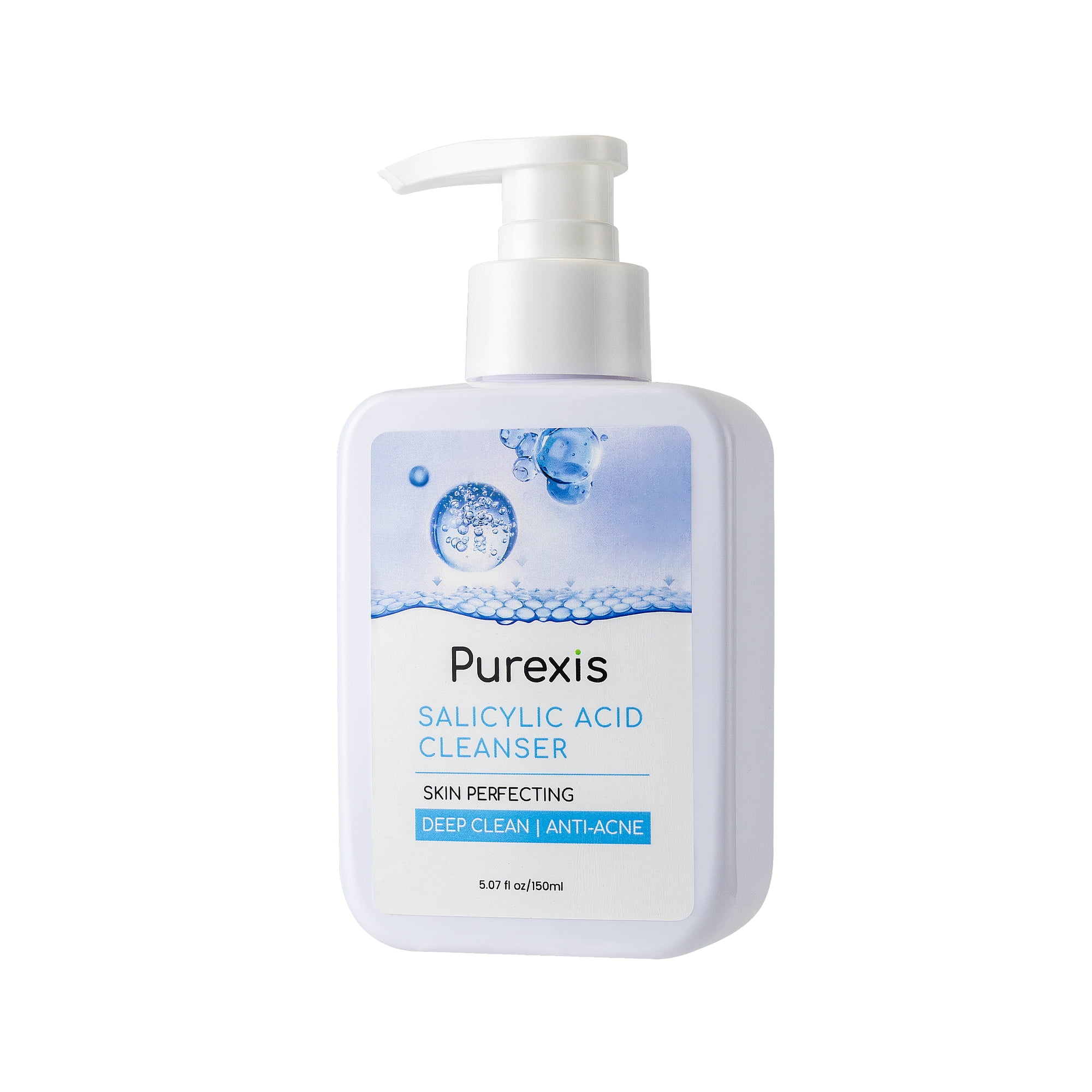
How you wash your hair directly impacts how long your color lasts. Always use lukewarm water instead of hot, as heat can cause dye molecules to loosen. When rinsing, gently squeeze out water rather than scrubs, which can agitate the scalp and lift color. For example, using a wide-tooth comb to detangle wet hair before rinsing can minimize friction. Consider co-washing—alternating between a cleansing conditioner and a clarifying shampoo—to remove buildup without harsh chemicals. Clarifying shampoos should be used sparingly, perhaps once a month, to avoid over-stripping. If you swim frequently, rinse your hair with fresh water after exposure to chlorine or saltwater, which are known to fade color. For an extra layer of protection, apply a leave-in conditioner or color-depositing mask before swimming. A mask with ingredients like shea butter or aloe vera can create a barrier against water and chemicals.
Understand Your Hair Color Type
Not all hair colors require the same maintenance. Permanent dyes, for instance, are more resistant to fading but still need care. Semi-permanent and temporary colors fade faster and may require more frequent touch-ups. Natural dyes, such as henna or indigo, are generally safer but can still lose intensity over time. Research your specific dye type to tailor your at-home care. For example, oxidative dyes (common in reds and oranges) may benefit from antioxidants in products, while metallic shades might need pH-balanced formulas to prevent discoloration. Additionally, consider your hair’s porosity. High-porosity hair (often curly or damaged) absorbs color faster but also loses it quicker. Low-porosity hair (straight or fine) may require more frequent conditioning to maintain vibrancy.
Combat Environmental Damage
Sunlight, pollution, and humidity are silent enemies of hair color. UV rays break down dye molecules, causing fading and brassiness. Wear a hat or use UV-protectant sprays designed for hair when outdoors. For instance, products like UV Shield by Redken or Sun Protect by Olaplex can create a protective layer. Pollution particles settle on hair, dulling color; rinse your hair after being in urban areas. A study by the Journal of Cosmetic Science found that particulate matter from air pollution can bind to hair proteins, accelerating fading. Humidity can make color appear washed out; combat this by sealing in moisture with serums or oils. Avoid high-heat styling tools; if necessary, always apply a heat protectant spray to minimize damage that accelerates fading. Heat protectants like T3 or Kerastase’s Thermal Protection Spray create a shield against heat, preserving both color and hair structure.
Refresh Color at Home Without Professional Help
At-home touch-ups are a cost-effective way to maintain hair color. Color-depositing conditioners or sprays can restore vibrancy between salon visits. These products contain low concentrations of dye that deposit onto strands during washing. For example, a product like Color Extender by L’Oréal or Color Revive by Shiseido can add depth to faded hues. Alternatively, mix a small amount of hair color with a clarifying shampoo for a DIY clarifying treatment. However, avoid overusing these products, as they can build up residue. A study by the American Academy of Dermatology noted that excessive use of color-depositing products can lead to buildup, which may dull color over time. Another method is using a hair mask with color-enhancing ingredients like beetroot juice (for reds) or chamomile (for blondes). Apply the mask once a month for a subtle refresh. Beetroot juice, rich in anthocyanins, can naturally enhance red tones, while chamomile has calming properties that can brighten blonde hair.
Adjust Your Hair Care Based on Lifestyle
Your daily activities influence how to maintain hair color at home. If you exercise often, sweat can strip color; rinse your hair post-workout. Frequent travelers exposed to different water sources may need to adjust their routine. For instance, hard water can cause mineral buildup that fades color. Install a water filter or use a chelating shampoo occasionally to remove buildup. Those with fine or porous hair may need more frequent conditioning, while thick hair might tolerate less frequent washes. Tailor your approach to your hair’s unique needs. For example, if you live in a coastal area, consider using a saltwater-resistant conditioner or rinsing with distilled water to reduce mineral exposure.
When to Seek Professional Assistance
While many aspects of maintaining hair color at home are manageable, some situations require a stylist’s expertise. If your color has significantly faded despite diligent care, a professional can perform a color refresh or blend. Similarly, if you notice scalp irritation or breakage linked to your at-home products, consult a hairdresser. They can recommend specialized treatments or adjust your routine. Remember, professionals have access to advanced products and techniques not available commercially, which can salvage severely faded color. For example, a colorist might use a custom color match to correct uneven tones or a deep conditioning treatment to restore hair health.
To sum up, learning how to maintain hair color at home is about consistency and mindfulness. Every step—from product selection to washing habits—plays a role in preserving your color. By adopting a color-safe routine, protecting your hair from environmental stressors, and knowing when to refresh, you can enjoy vibrant, long-lasting results. The goal isn’t just to keep color for a few weeks but to ensure it remains healthy and vibrant for months.
FAQ: How to Maintain Hair Color at Home
- How often should I wash my hair to maintain color at home?
- What are the best products for preserving hair color without fading?
- Can I use regular shampoo on color-treated hair?
- How do I prevent color fading from sun exposure?
- Is it possible to refresh faded hair color at home?
For further reading, see related references on Wikipedia.
Leave a Reply