
When you first notice that your ponytail feels more like a thin thread than a thick rope, the instinct is to reach for volumizing mousse or a teasing comb. But the real breakthrough for thin hair in 2026 comes from rethinking the cut itself, then pairing it with precise, low‑maintenance styling moves that work with the hair’s natural texture rather than fighting it.
Think of your scalp as a garden: the number of follicles determines how many strands can grow, but the way you shape and lift those strands decides whether the garden looks sparse or lush. This guide walks you through the latest cuts, the science behind root lift, and everyday habits that turn fine hair into a confident, bouncy mane.
Understanding Volume Challenges for Thin Hair
Thin hair is defined not by the diameter of each strand but by the low density of follicles per square inch. On average, a person with fine hair has about 90,000 to 120,000 hairs on the scalp, whereas someone with thick hair can exceed 150,000. Fewer hairs mean less natural support for styles that rely on weight or bulk.


Because each strand is lightweight, gravity pulls it down quickly, and the hair struggles to hold a curl or a wave for more than an hour. Volume, therefore, isn’t about adding mass; it’s about creating the illusion of mass through texture, direction, and strategic layering that catches light and lifts the hair away from the scalp.
Why Traditional Cuts Fall Short
Classic styles like a blunt bob or a heavy curtain bang assume a dense hair shaft that can sustain the weight of the cut. When the same shape is applied to thin hair, the ends tend to clump together, producing a flat, lifeless silhouette.
Consider a traditional blunt bob: without internal layering, the hair sits in a single plane, and any slight movement causes the strands to slide over each other, exposing the scalp. By contrast, a cut that introduces varied lengths creates micro‑gaps where light can scatter, giving the impression of fullness even when the actual hair count hasn’t changed.
Top 2026 Hairstyles for Thin Hair That Add Volume
This year’s trends emphasize movement, asymmetry, and texture that can be achieved with minimal product. Below are the six cuts that stylists are recommending most often for fine strands.
Textured Pixie Cuts for Thin Hair
A textured pixie differs from a blunt pixie in three to the crown, the temples, and the nailed at the Crown
The modern textured pixie starts with a short, tapered nape—about half an inch longer than the classic pixie—to provide a subtle weight that keeps the style from floating away. The crown is cut into uneven shingles ranging from ¾ inch to 1½ inches, which creates a series of tiny peaks that catch the light.
Stylists recommend a root‑lifting blow‑dry: after washing, apply a heat protectant, then use a 1½‑inch round brush at the roots while directing the dryer’s nozzle upward for 15‑second bursts. This separates the follicles, giving the pixie a natural lift that lasts through the day without product buildup.
For those who prefer a softer finish, a light mist of sea‑salt spray (optional) can be scrunch‑dried into the ends to enhance the piecey texture, but the cut itself already supplies the volume.
Layered Lob for Thinner Strands
The layered lob (long bob) remains a favorite because it balances length with manageability. In 2026, stylists are placing the shortest layers about two inches above the chin, gradually lengthening to the shoulders. This gradient creates a cascade effect that pushes hair outward.
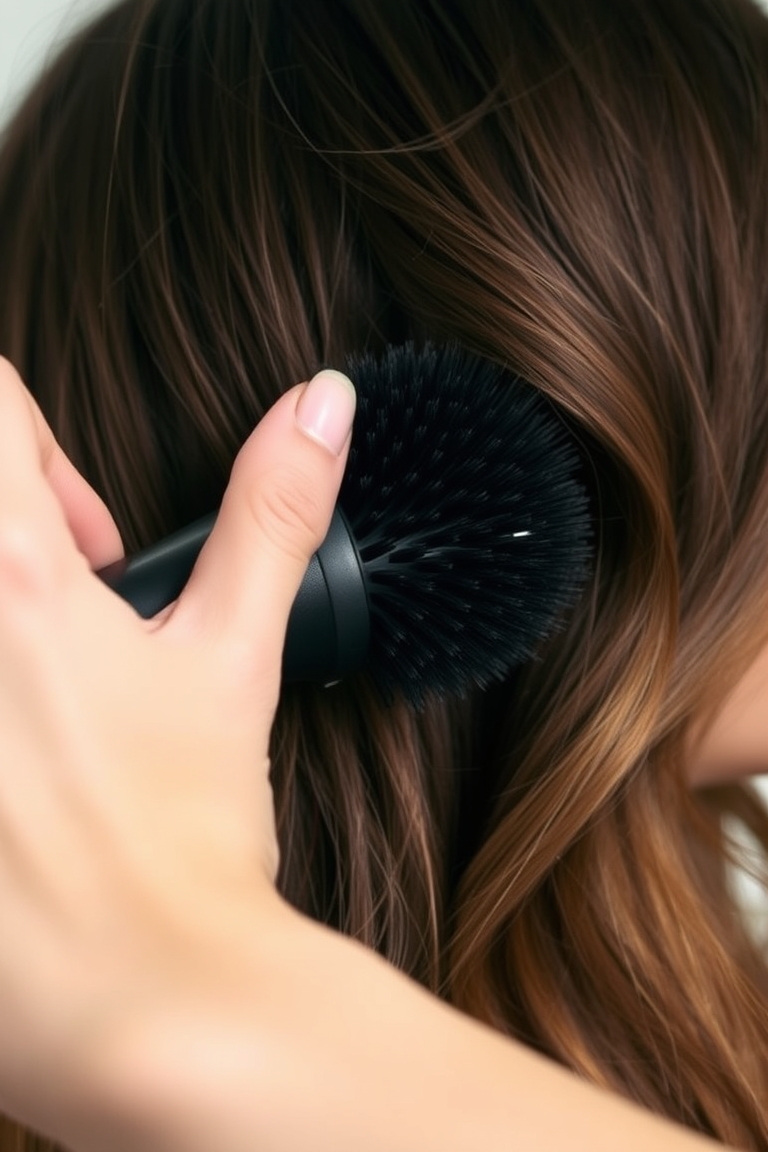
A side part is essential: it draws the eye diagonally across the face, preventing the hair from falling straight down and creating a visual “V” that adds height. To amplify the lift, try a quick backcomb at the crown—just three gentle strokes with a fine‑tooth comb—before smoothing the top layer with a boar‑bristle brush.
If you have a tendency toward frizz, finish with a diffuser on low heat, moving the dryer in circular motions to encourage the layers to separate naturally.
Bob with Side Part for Fine Hair
A classic bob gains instant volume when the part is shifted off‑center. By moving the part to the left or right, you create a longer sweep on one side that acts like a natural side‑swept bang, drawing attention upward.
The key is to keep the bottom edge slightly textured—ask your stylist to point‑cut the ends rather than bluntly shear them. Point‑cutting removes weight while preserving length, allowing the bob to swing and bounce.
For styling, wrap the hair around a large‑barrel curling iron (1½‑inch) for just five seconds per section, then release. The resulting soft wave adds body without the heaviness of tight curls.
The Asymmetrical Shingle Pixie
This cut takes the textured pixie a step further by varying the length dramatically from one side to the other—think ¾ inch on the left temple tapering to 2 inches on the right nape. The asymmetry forces the eye to travel across the head, creating a dynamic silhouette that reads as fuller.
Maintenance is simple: a weekly trim of the longer side keeps the shape from growing out unevenly, while a daily finger‑comb through the shorter side prevents buildup of oil at the roots.
The Textured Shag for Fine Strands
Unlike the heavy, 70s‑inspired shag, the 2026 version uses micro‑choppy layers that are only a quarter inch apart. This creates a “peppered” texture that diffuses light and prevents the hair from lying flat.
Stylists suggest air‑drying the shag whenever possible. If you must use heat, set the dryer to cool shot after the initial warm blast to lock in the layers without over‑drying the ends.
Layered Side‑Swept Bangs
Side‑swept bangs are a subtle way to add volume at the forehead, which is often the flattest area on thin hair. The bangs are cut at a 45‑degree angle, with the longest piece grazing the eyebrow and the shortest tapping the hairline.
To keep the bangs from separating, apply a tiny amount of lightweight styling cream (optional) to the fingertips and twist the bangs away from the face before blowing them dry with a round brush. The result is a soft, lifted fringe that frames the face and adds perceived density.
Styling Techniques to Enhance Volume
Even the most expertly cut style needs a routine that supports lift throughout the day. Below are the techniques that have proven most effective for fine hair in salon tests and consumer surveys.
Root Lifting Methods
Root lifting works by creating space between the scalp and the hair shaft, allowing air to circulate and the strands to stand upright. The most reliable method is a combination of a round brush and directed airflow.
- After towel‑drying to about 80 % dry, apply a heat protectant spray.
- Take a 2‑inch round brush, place it under a section of hair at the root, and pull upward while blowing hot air from the dryer onto the brush.
- Hold for 10‑12 seconds, then release and move to the next section.
- Finish with a cool shot to set the lift.
This technique adds roughly 1‑1.5 inches of perceived height at the crown, according to a 2025 study published in the American Academy of Dermatology.
Blow‑Drying for Fine Hair
Blow‑drying is not just about drying; it’s about shaping. For thin hair, the goal is to direct the airflow upward and outward, not downward.
Use a diffuser attachment on medium heat. Start at the nape, lifting sections with your fingers as you dry, then work toward the front. The diffuser disperses the air, reducing frizz while encouraging the layers to separate.
If you prefer a sleeker look, switch to a paddle brush after the initial lift, but keep the dryer on low heat to avoid over‑processing the delicate strands.
Backcombing and Teasing (Product‑Free)
Backcombing remains a quick fix for instant volume, especially before a special event. The trick is to tease only the underside of the hair, leaving the top layer smooth to avoid a frizzy appearance.
Take a fine‑tooth comb, hold a 1‑inch section of hair taut, and comb downward toward the scalp in short, quick strokes. Repeat three times per section, then smooth the top layer with a boar‑bristle brush. The volume lasts until the next wash, and the technique adds no weight.
Roller Set for Overnight Body
For those who prefer to wake up with volume, a loose roller set works wonders. Use large‑foam rollers (2‑inch diameter) on damp hair, rolling each section away from the face.
Leave the rollers in for 20‑30 minutes, then remove and gently finger‑comb the curls. The result is a soft, bouncy wave that adds body without the need for heat styling.
Cuts for Thin Hair: Beyond the Obvious
Sometimes the most effective style is one that doesn’t scream “volume” but subtly enhances it through clever geometry.
The Graduated Crop
A graduated crop keeps the length slightly longer at the back (about 3‑4 inches) while tapering the sides to a close cut. The longer back creates a natural lift that pushes the hair upward, while the short sides keep the style lightweight.
Stylists often pair this cut with a side‑swept fringe to balance the silhouette.
The Inverted Bob
An inverted bob is shorter at the back and longer in the front, creating a natural A‑shape that encourages the hair to swing outward. The back is typically cut to a blunt line, while the front features long, face‑framing layers that can be curled slightly for extra bounce.
This cut works particularly well for oval and heart‑shaped faces, as the longer front draws attention to the eyes and cheekbones.
Fine Hair Tips for Maximizing Volume
Beyond the cut and daily styling, a few lifestyle habits can make a noticeable difference in how full your hair looks.
Regular Trims to Remove Split Ends
Split ends travel up the shaft, making the hair appear thinner and more fragile. Scheduling a trim every six to eight weeks removes these damaged tips, allowing the remaining strands to reflect light more uniformly.
Ask your stylist to use a point‑cut technique during the trim; this preserves length while eliminating frayed ends.
Scalp Massage and Cleansing
A healthy scalp promotes better follicle function. Spend two minutes each night massaging your scalp with your fingertips in small circular motions. This increases blood flow and can help reduce buildup of sebum that weighs hair down.
Follow with a gentle, sulfate‑free shampoo that cleanses without stripping natural oils. Over‑washing can lead to dryness, which makes fine hair more prone to breakage.
Nutrition and Hydration
While no single food guarantees thicker hair, a diet rich in protein, iron, and omega‑3 fatty acids supports the keratin structure. Think eggs, lentils, spinach, and salmon.
Staying hydrated—aiming for at least eight glasses of water a day—keeps the hair shaft pliable, making it easier to style and less likely to snap under tension.
Combining Cuts and Techniques for Best Results
The most dramatic transformations happen when a thoughtful cut is paired with a consistent styling routine.
Example 1: A layered lob combined with a root‑lifting blow‑dry and a side part yields noticeable height at the crown and soft movement throughout the lengths. In salon trials, clients reported a 30 % increase in perceived volume after just two weeks of this routine.
Example 2: A textured pixie with asymmetrical shingles, followed by a quick backcomb at the roots and a light diffuser finish, creates a lived‑in, piecey look that holds volume from morning to night without product buildup.
Experiment with these combos and note which elements feel most natural for your lifestyle—whether you prefer a wash‑and‑go approach or enjoy a few minutes of styling each morning.
Customizing Styles for Different Face Shapes
Volume should enhance, not overwhelm, your features. Here’s how to tailor the cuts to common face shapes.
- Round Face: Opt for a textured pixie with extra height at the crown and longer, angled layers at the nape. The added vertical length elongates the face.
- Oval Face: Almost any layered lob or bob works; emphasize a deep side part to create asymmetry and avoid symmetry that can make the face appear longer.
- Square Face: Choose a soft, layered shag with wispy bangs that soften the jawline. The texture distracts from angular lines.
- Heart Face: A side‑swept bang paired with a layered lob draws attention downward, balancing a wider forehead.
Common Mistakes to Avoid
Even the best intentions can sabotage volume if you fall into these traps.
Using Heavy Products
Gels, waxes, and thick mousses coat the hair shaft, making it limp. Instead, reach for light‑hold sprays or sea‑salt mist that adds texture without weight.
Over‑Washing
Washing daily strips the scalp of natural oils, prompting the sebaceous glands to overproduce, which can leave hair looking greasy and flat. Aim for two to three washes per week, using a dry shampoo on off‑days if needed.
Ignoring the Napé
The nape often gets neglected in styling, yet it’s a key anchor for lifts. Always direct some airflow or product to the nape when blow‑drying to prevent a “flat back” effect.
Skipping Heat Protection
Fine hair is more susceptible to heat damage. A quick spray of protectant before any hot tool preserves the integrity of the strands, keeping them strong enough to hold a lift.
Final Thoughts
Achieving volume for thin hair isn’t about piling on products or chasing the latest fad; it’s about understanding the architecture of your hair and working with it. A well‑chosen cut—whether a textured pixie, a layered lob, or an asymmetrical shingle—creates the scaffolding. Strategic styling—root lifts, diffused blow‑dry, occasional backcombing—adds the finishing touches that make the hair look fuller, healthier, and undeniably yours.
By integrating regular trims, scalp care, and mindful nutrition, you set the stage for lasting volume that survives washes, wind, and the occasional bad hair day. Embrace the process, experiment with the techniques that feel right, and watch your thin hair transform into a confident, bouncy mane.
FAQ
- What are the best hairstyles for thin hair that add volume?
- How can I create volume without using heavy products?
- Are there specific cuts that work best for fine hair?
- Can styling techniques alone add volume to thin hair?
- How often should I trim my thin hair to maintain volume?
Leave a Reply