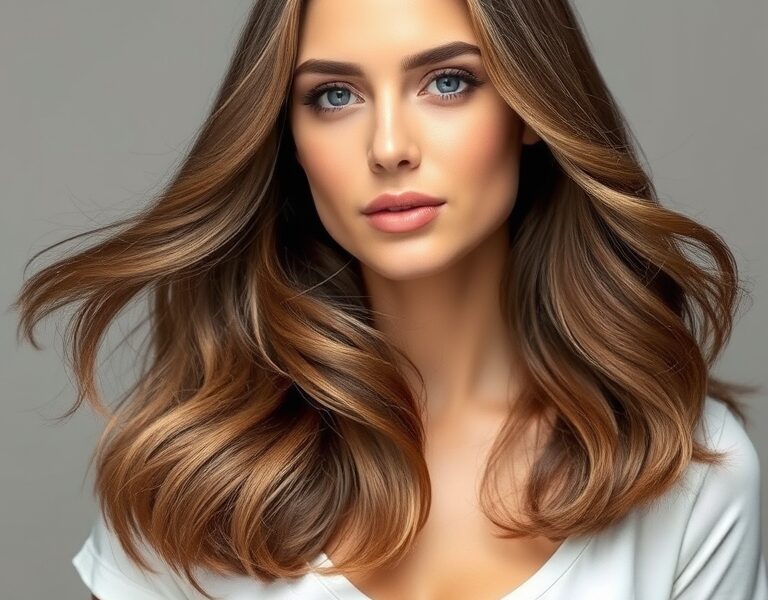
Medium length hairstyles sit perfectly between the bold confidence of short cuts and the dramatic allure of long tresses. They offer versatility, manageable upkeep, and an almost universal flattering effect that works for virtually every face shape, hair texture, and lifestyle. Whether you’re looking for a low‑maintenance everyday look or a style that can be dressed up for special occasions, the medium length range—typically falling between the chin and the shoulders—provides a canvas that’s easy to shape, color, and maintain.
Understanding Face Shapes and Medium Length Hairstyles
Before diving into specific cuts, it helps to know how different face shapes interact with length, layers, and fringe. The goal is to create balance: adding width where the face is narrow, creating length where it’s round, and softening strong angles.
Oval Face
Considered the most versatile shape, an oval face can pull off almost any medium length style. To highlight its natural symmetry, opt for soft layers that begin at the cheekbone and a subtle side‑swept fringe. A blunt lob or a textured shoulder‑cut works beautifully, as the length keeps the face proportionate.


Round Face
The aim is to elongate the face and add definition. Longer layers that start below the chin, combined with a deep side part or a side‑swept bang, create vertical lines. Avoid heavy, blunt cuts that sit exactly at the jawline; instead, choose an angled lob or a layered shoulder length with wispy ends that draw the eye upward.
Square Face
A strong jawline benefits from softness. Medium length hairstyles with gentle, face‑framing layers and a curtain‑style fringe help to round out the angles. A lob with internal layering or a shaggy shoulder cut adds movement and reduces the appearance of a square silhouette.
Heart (or Inverted Triangle) Face
Wider forehead and narrower chin call for volume at the bottom. Medium length styles that add fullness around the jawline—such as a graduated lob, a layered shoulder cut with outward‑flipping ends, or a soft bob with a slight A‑line—balance the proportions. Keep the top relatively sleek to avoid adding extra width to the forehead.
Long/Oblong Face
To create the illusion of width, choose medium length hairstyles that add volume at the sides. A blunt shoulder cut, a textured lob with waves, or a curly mid‑length style works well. Avoid excessive length that drags the face downward; instead, keep the ends just above the shoulders and incorporate side‑swept bangs or a deep side part.
Shoulder Length Hair Styles
Shoulder length hair—typically grazing the collarbones—offers a polished yet relaxed vibe. It’s long enough to pull into updos or braids, yet short enough to feel light and breezy.
Classic Shoulder Cut
A one‑length cut that sits evenly at the shoulders. This timeless shape works for straight, wavy, or slightly curly hair and provides a clean base for adding color or highlights.
Layered Shoulder Length
Layers start around the ear and graduate toward the ends, reducing bulk and adding movement. Ideal for thick hair that needs lightening, or fine hair that wants the illusion of volume.
Textured Shoulder Cut with Fringe
Adding a soft, side‑swept or curtain fringe instantly softens facial features. Pair the fringe with subtle point‑cutting at the ends for a lived‑in, beachy look.
Styling Shoulder Length Hair
- Beachy waves: Apply a sea‑salt spray to damp hair, scrunch, and let air dry or diffuse on low heat.
- Sleek straight: Use a smoothing serum, then run a flat iron through small sections, finishing with a light shine spray.
- Half‑up twist: Take a small section from each side, twist them back, and secure with a clear elastic for a quick, polished look.
Lob Hairstyles (Long Bob)
The lob, landing between the chin and shoulders, is the ultimate medium length hairstyle for those who want the best of both worlds: enough length to style, but short enough to feel fresh.
Variations of the Lob
- Textured Lob: Achieved with point‑cutting or a razor, this style adds separation and movement without sacrificing length.
- Straight Lob: A blunt, one‑length lob that exudes sophistication—ideal for professional settings.
- Curly Lob: Enhances natural curls or waves with a diffused finish; works well for those who want low‑maintenance volume.
- Asymmetrical Lob: One side slightly longer than the other, adding an edgy, modern twist.
Styling the Lob
- Volume boost: Apply a root‑lifting mousse to damp hair, blow‑dry upside down, then finish with a round brush for lift at the crown.
- Soft waves: Wrap sections around a large‑barrel curling iron (1.5‑inch), hold for 5‑7 seconds, release, and finger‑comb for a relaxed look.
- Polished finish: Use a flat iron on the ends only, then apply a shine serum to keep the mid‑lengths looking healthy.
Mid Length Hair Ideas
Mid length hair—generally a few inches past the shoulders—offers even more styling versatility. Think of it as the sweet spot where you can experiment with braids, updos, and textured looks without the weight of longer hair.
Half‑Up Half‑Down Styles
- Braided crown: Dutch braid each side from temple to nape, then pull the braids together at the back and secure with a pin.
- Twisted half‑up: Take two sections from the front, twist them backward, and secure with a small elastic or decorative clip.
- Pull‑through braid: Create a series of small ponytails down the center, then pull each through the previous one for a chic, rope‑like effect.
Updos and Ponytails
- Low, textured ponytail: Gather hair at the nape, loosen a few strands around the face, and secure with a fabric‑covered elastic for a soft, undone vibe.
- Messy bun: Twist the ponytail loosely, wrap around the base, and pin; pull out a few face‑framing pieces for effortless charm.
- Side‑swept low chignon: Sweep hair to one side, twist into a low knot, and secure with bobby pins; ideal for formal events.
Braids and Twists
- Fishtail braid: Works beautifully on medium length hair, giving a intricate look without needing excessive length.
- Rope twist: Divide hair into two sections, twist each clockwise, then wrap them counter‑clockwise around each other.
- Waterfall braid: Creates a cascading effect that’s perfect for showcasing layers and color.
Medium Haircuts: Choosing the Right Shape
Beyond length, the cut’s silhouette determines how the hairstyle frames your face and moves with your lifestyle.
Blunt Cut
All‑one length creates a strong, modern line. Best for straight to slightly wavy hair; adds weight that can help fine hair appear thicker.
Angled (A‑Line) Cut
Shorter in the back, longer in the front. This shape adds length to the face and works well for round or square shapes.
Graduated Cut
Layers increase in length toward the front, creating a soft, cascading effect that adds movement and reduces bulk.
Shag Cut
Characterized by choppy, uneven layers and often a curtain fringe. The shag adds texture and a lived‑in feel, perfect for wavy or curly hair.
Curtain Fringe with Medium Length
A center‑parted fringe that frames the face on both sides. Works with lobs, shoulder cuts, and mid‑length styles to soften forehead width and add a retro touch.
Maintenance Tips for Medium Length Hairstyles
Keeping medium length hair looking fresh requires a consistent routine that addresses cleansing, conditioning, trimming, and scalp health.
Cleansing and Conditioning
- Use a sulfate‑free shampoo suited to your hair type (moisturizing for dry, clarifying for oily).
- Follow with a silicone‑free conditioner, focusing on mid‑lengths to ends.
- For extra slip, apply a leave‑in conditioner or detangling spray before brushing.
Trimming Schedule
Regular trims every 6–8 weeks prevent split ends from traveling up the shaft and keep the shape intact. If you’re growing out a lob or shoulder cut, ask your stylist to “dust” the ends—removing only a quarter inch—to maintain length while keeping hair healthy.
Scalp Care
- Massage the scalp weekly with a lightweight oil (jojoba or grapeseed) to stimulate circulation.
- Use a clarifying scrub or shampoo once a month to remove product buildup.
- If you experience dryness or flakiness, consider a scalp‑specific treatment containing tea tree or peppermint oil.
Nighttime Routine
- Sleep on a silk or satin pillowcase to reduce friction and prevent breakage.
- Loosely braid or twist hair before bed to avoid tangles.
- Apply a light serum to the ends if they feel dry.
Styling Tricks: From Effortless Waves to Sleek Finishes
Medium length hair is a playground for styling experimentation. Below are step‑by‑step guides for three popular looks.
Step‑by‑Step: Beachy Waves
- Start with damp hair; apply a quarter‑sized amount of sea‑salt spray.
- Divide hair into two sections; loosely braid each section.
- Allow hair to air dry completely, or use a diffuser on low heat for 10‑15 minutes.
- Undo the braids, finger‑comb the waves, and finish with a light texture spray.
Step‑by‑Step: Sleek Straight Look
- Wash and towel‑dry hair; apply a heat protectant serum.
- Section hair into 1‑inch parts; run a flat iron set to 350°F (180°C) through each section, moving slowly.
- After ironing, apply a shine serum or lightweight oil to the ends.
- For extra hold, mist a flexible‑hold hairspray.
Step‑by‑Step: Voluminous Blowout
- Apply a volumizing mousse to damp roots.
- Using a round brush, blow‑dry hair in sections, lifting at the roots for maximum lift.
- Finish with a cool‑shot button to set the style.
- Optional: wrap sections around a large‑barrel curling iron for soft, bounced ends.
Color Options: Enhancing Medium Length Hairstyles
Color can add dimension, highlight facial features, and reflect personal style. Medium length hair holds color well, allowing for both subtle and bold techniques.
Popular Coloring Techniques
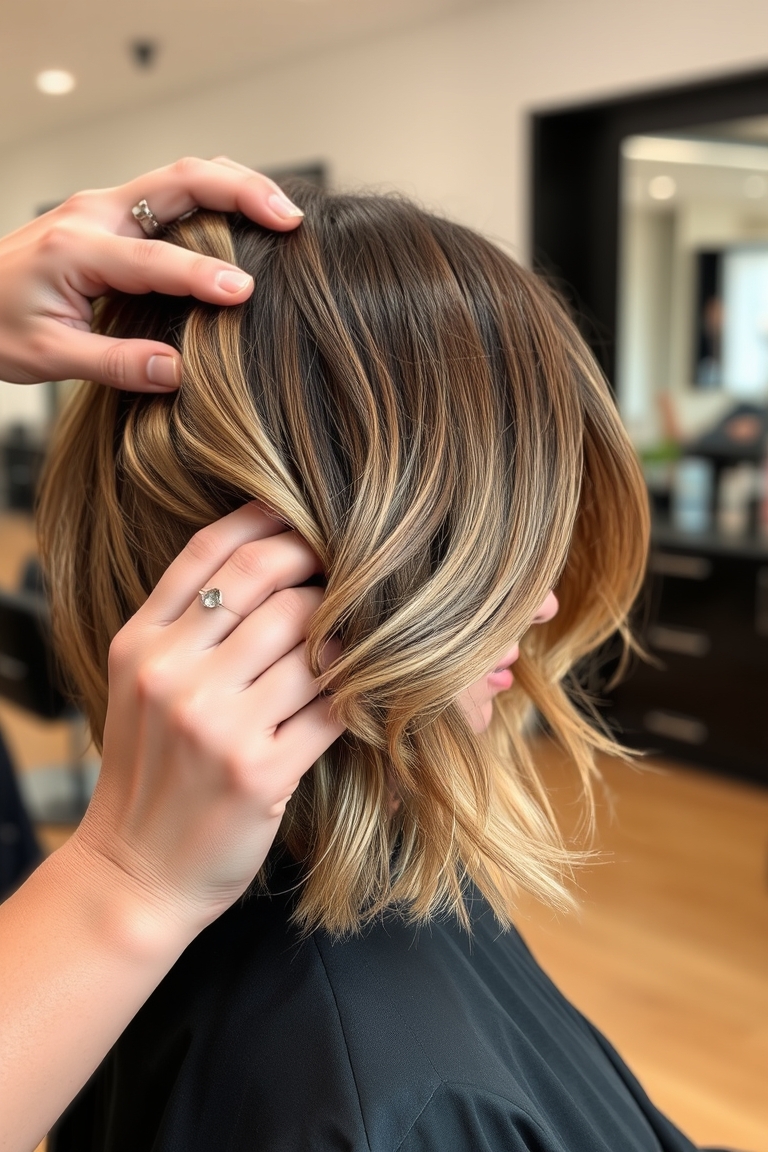
- Balayage: Hand‑painted highlights that create a sun‑kissed, low‑maintenance effect. Ideal for adding warmth to dark bases or dimension to blondes.
- Ombré: A gradual transition from darker roots to lighter ends; works especially well on lobs and shoulder cuts.
- Lowlights: Adding darker shades to break up monotony and add depth, particularly effective on fine hair.
- Pastel Tints: Soft pinks, lavenders, or mint greens applied over a light base for a playful, trendy look.
- Root Smudge: A soft, diffused root color that reduces the contrast between natural growth and dyed hair, extending time between touch‑ups.
Choosing the Right Shade
Consider your skin’s undertone:
- Cool undertones: Ash blondes, platinum, cool browns, and burgundy.
- Warm undertones: Golden blondes, caramel, copper, and rich auburn.
- Neutral undertones: Most shades work; you can experiment with both warm and cool tones.
Always consult with a colorist to perform a strand test, especially when trying vivid or fashion colors.
Professional Advice: Getting the Most Out of Your Stylist Visit
A skilled stylist can translate your vision into a cut that complements your face shape, hair texture, and daily routine.
What to Ask During Your Consultation
- “Which medium length hairstyle would best balance my face shape?”
- “How much maintenance am I willing to commit to (trims, styling, color touch‑ups)?”
- “Can you show me photos of similar cuts on clients with my hair type?”
- “What products do you recommend for at‑home care?”
- “How will this cut grow out, and what will the maintenance schedule look like?”
Finding the Right Stylist
Look for professionals who specialize in medium length cuts and have a portfolio showcasing a variety of textures and face shapes. Online reviews, before‑and‑after galleries, and personal referrals are valuable resources. For personalized guidance, visit Hairdresser Woman and discover how a tailored approach can elevate your medium length hairstyles.
Tools and Product Recommendations
Having the right tools at home makes styling easier and helps preserve the health of your hair.
Essential Tools
- Round brush (2‑inch): Ideal for blowouts and adding volume at the roots.
- Flat iron with temperature‑inch ceramic plate: Provides even heat for sleek finishes without excessive damage.
- Large‑barrel curling iron (1.5‑inch): Creates loose, beachy waves.
- Diffuser attachment: Enhances natural curls and reduces frizz.
- Microfiber towel or cotton T‑shirt: Gentle drying method that minimizes breakage.
Product Categories
- Heat protectant: Spray or serum; look for ingredients like silicones or polymers that shield strands up to 450°F.
- Volumizing mousse: Provides lift without stiffness; apply to damp roots.
- Texture spray or sea‑salt spray: Adds grit and hold for undone styles.
- Leave‑in conditioner: Detangles and adds moisture; choose a lightweight formula for fine hair.
- Shine serum or oil: Finishing touch for smoothness and gloss.
Seasonal Adaptations
Medium length hairstyles can be tweaked to suit the weather and your activities throughout the year.
Spring/Summer
- Embrace air‑dried textures and sea‑salt sprays for a relaxed, vacation‑ready vibe.
- Opt for lighter shades (sun‑kissed balayage, pastel highlights) to reflect the brighter light.
- Consider a shorter lob or shoulder cut to stay cool during hot months.
Fall/Winter
- Introduce richer tones—deep chocolate, warm caramel, or plum lowlights—for depth.
- Add layers that can be tucked under scarves or hats without losing shape.
- Experiment with sleek, polished looks (straight lob, low ponytail) for holiday events.
Common Mistakes to Avoid
Even with the best intentions, certain habits can undermine the health and appearance of medium length hair.
- Over‑washing: Strips natural oils, leading to dryness and increased oil production. Aim for 2‑3 times per week, adjusting based on activity level.
- Skipping heat protectant: Causes cuticle damage, split ends, and color fading.
- Using the wrong brush: Boar bristle brushes are great for distributing oils, but metal brushes can snag and break hair.
- Neglecting the scalp: A healthy scalp promotes healthy hair growth; incorporate regular cleansing and massage.
- Ignoring trim intervals: Letting split ends travel upward necessitates a bigger chop later.
Frequently Asked Questions
- What are the best medium length hairstyles for a round face?
- For round faces, the goal is to create vertical lines and add definition. Opt for medium length hairstyles that feature long, face‑framing layers beginning below the chin, combined with a deep side part or a side‑swept fringe. A textured lob with soft, wispy ends or an angled shoulder cut that is slightly longer in the front helps elongate the face. Avoid blunt, one‑length cuts that sit exactly at the jawline, as they can accentuate width. Adding subtle highlights around the crown can also draw the eye upward, enhancing the slimming effect.
- How often should I trim my medium length hairstyles?
- To maintain shape and prevent split ends, schedule a trim every 6–8 weeks. If you’re growing out a lob or shoulder cut, ask your stylist for a “dusting” trim—removing only about a quarter inch—to keep the ends healthy while preserving length. Those with very fine or damaged hair may benefit from trims every 5–6 weeks, while thicker, healthier hair can stretch to 8–10 weeks between visits.
- Can I style my medium length hairstyles with heat without causing damage?
- Yes, heat styling can be safe when you follow a few key precautions. Always apply a heat protectant serum or spray to damp or dry hair before using any hot tool, ensuring even coverage. Choose tools with adjustable temperature settings and stay below 375°F (190°C) for fine or color‑treated hair, and up to 425°F (220°C) for thicker, virgin hair. Limit heat exposure to no more than two passes per section, and finish with a cool‑shot setting on your blow dryer or a burst of cool air from your styling tool to close the cuticle. Incorporating a weekly deep‑conditioning treatment or protein mask will also help repair any minor stress caused by heat.
- What color looks best with medium length hairstyles?
- The ideal color depends on your skin undertone, personal style, and maintenance preferences. For cool undertones, ash blondes, platinum, cool browns, or burgundy shades create a sophisticated contrast. Warm undertones shine with golden blondes, caramel, copper, or rich auburn. Neutral undertones can experiment with both warm and cool tones, making shades like honey blonde or soft mocha versatile choices. Techniques such as balayage or ombré add dimension without requiring frequent touch‑ups, while a root smudge extends the time between salon visits. Always discuss your lifestyle with your colorist to select a shade that complements your medium length hairstyle and fits your upkeep routine.
- How do I transition from short to medium length hairstyles without awkward stages?
- Transitioning gracefully involves strategic layering and regular trims. Start by asking your stylist to add soft, face‑framing layers that create movement and prevent the hair from looking bulky as it grows. Schedule trims every 5–6 weeks to remove split ends and keep the shape tidy, but request only a light dusting (about an eighth of an inch) to retain length. Incorporate styling tricks like half‑up twists, low ponytails, or textured waves to conceal any uneven lengths during the grow‑out phase. Using a volumizing mousse or a light texturizing spray can help blend the shorter layers with the longer lengths, creating a cohesive look. Patience is key—most clients achieve a seamless medium length look within 4–6 months.
Leave a Reply