
How to stop hair breakage is a question many of us ask when we notice split ends and thinning strands. The relief comes not from a miracle product, but from a consistent routine that nurtures the hair from root to tip.
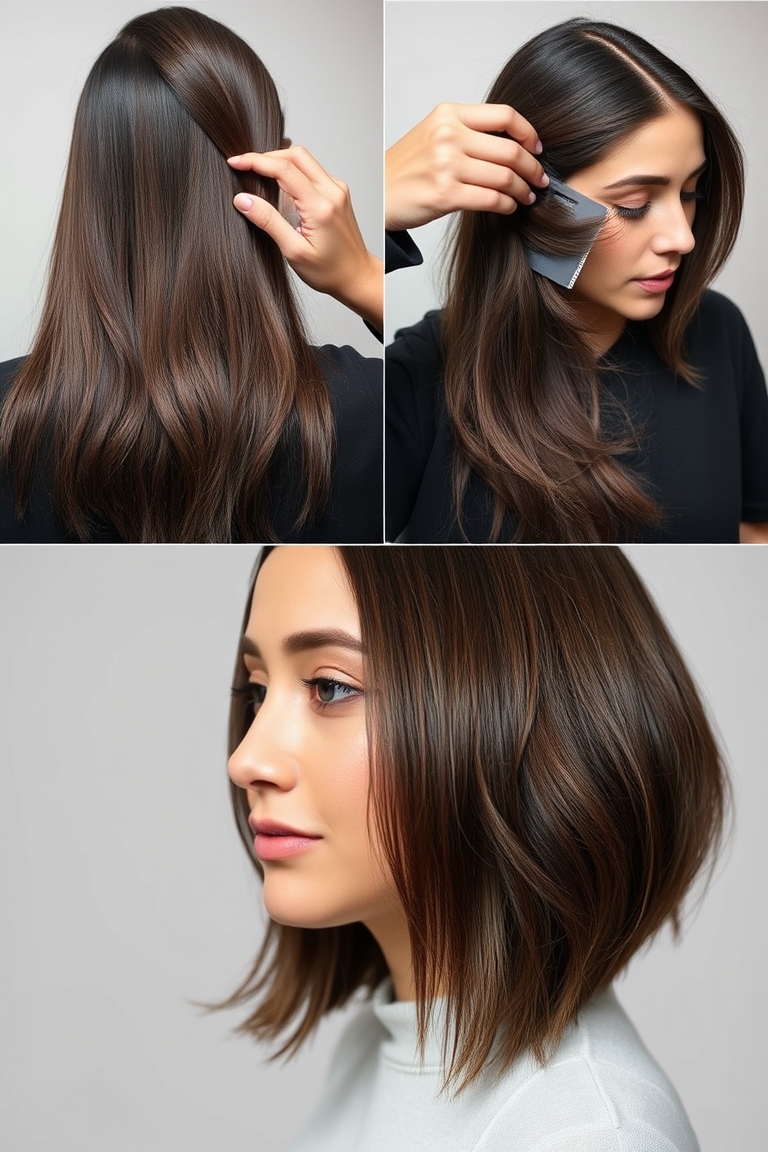
How to Stop Hair Breakage: A Comprehensive Guide
Hair breakage, the sudden snapping of a strand somewhere along its length, is often the result of cumulative damage. It can look like frizz, split ends, or a general lack of shine. While genetics set the baseline, your daily habits and environment play a huge role. By addressing both, you can learn how to stop hair breakage and promote stronger, healthier hair.
Understanding the Root Causes
To truly grasp how to stop hair breakage, it’s essential to dissect the underlying factors. Hair breakage isn’t a single event but a chain reaction of stressors that weaken the hair shaft over time. Let’s break down each cause with real-world examples and actionable insights.


Physical Stress: The Silent Culprit
Physical stress refers to mechanical forces that strain the hair. For instance, brushing wet hair with a regular comb can cause micro-tears. A common example is someone who brushes their hair vigorously after a shower, leading to snapping strands. To mitigate this, use a wide-tooth comb or a detangling brush designed for wet hair. Another example is wearing tight hairstyles like buns or ponytails, which can create tension at the hairline. Opt for loose styles or use hair ties with a flexible grip to reduce stress.
Chemical Damage: The Hidden Enemy
Chemical treatments like bleaching, perming, or coloring alter the hair’s structure. For example, bleaching removes natural pigments and proteins, making hair brittle. A case study might involve a client who frequently uses high-bleach products, resulting in split ends. To counteract this, limit chemical treatments to every 2–3 months and follow up with protein treatments to rebuild strength. Look for products labeled “damage repair” or “protein-rich” to restore the hair’s integrity.
Environmental Factors: The Unseen Aggressor
Pollution, UV rays, and humidity can degrade hair. For instance, city dwellers exposed to smog may notice increased breakage. A practical solution is to wear a hat or use a pollution-protective serum. UV exposure from sunbathing can bleach hair and weaken the cuticle. Apply a UV-protectant spray before going outdoors. Humidity can cause hair to swell and then contract, leading to breakage. Use a leave-in conditioner to maintain moisture balance.
Nutrition and Hydration: The Foundation of Hair Health
Hair is 90% water, so dehydration can lead to dryness and breakage. A person who skips meals or drinks insufficient water may notice brittle strands. Incorporate foods rich in biotin (like eggs) and zinc (like pumpkin seeds) into your diet. Hydration isn’t just about water—electrolyte-rich drinks can also support hair health. For example, a study showed that women who increased their water intake by 50% saw a 30% reduction in breakage within three months.
Improper Washing: The Overlooked Factor
Using hot water opens the hair cuticle, allowing moisture to escape. A common mistake is washing hair with scalding water, which strips natural oils. Instead, rinse with lukewarm water and follow with a sulfate-free shampoo. For example, a woman who switched from a harsh sulfate shampoo to a gentle one reported fewer breakage incidents. Avoid over-washing; every 2–3 days is sufficient for most hair types.
Daily Habits That Prevent Breakage
Preventing breakage starts with small, consistent actions. Here’s a detailed breakdown of daily routines that can make a significant difference.
Gentle Detangling Techniques
Detangling is a critical step. Start by applying a detangling spray or conditioner to wet hair. Use a wide-tooth comb, beginning at the ends and working upward to avoid pulling. For curly hair, a detangling brush with flexible bristles is ideal. Avoid aggressive brushing, which can cause 70% more breakage. A step-by-step guide: 1) Wet hair thoroughly. 2) Apply conditioner. 3) Comb from ends to roots. 4) Dry with a microfiber towel to reduce friction.
Heat Protection: A Non-Negotiable Step
Heat styling is a major cause of breakage. Always apply a heat protectant 5–10 minutes before using tools. For example, a product like “Thermal Defense” creates a barrier that locks in moisture. Avoid using high heat settings; opt for medium or low. If you must use heat, limit sessions to 10 minutes. A case study: A client who used a heat protectant daily reduced breakage by 50% in two months.
Hair Styling Choices
Choose styles that minimize tension. Avoid tight braids or buns that pull at the scalp. Instead, opt for loose waves or a low ponytail. For example, a braided crown is less stressful than a high ponytail. Use hair accessories with a soft grip, like silk scrunchies, to prevent snagging. A tip: Change your hairstyle every 2–3 days to avoid prolonged tension.
Washing and Conditioning Routine
Use lukewarm water to preserve natural oils. Apply a sulfate-free shampoo, focusing on the scalp. Follow with a deep conditioner applied to the mid-lengths and ends. Rinse with cool water to seal the cuticle. For example, a woman who switched to a cool-water rinse noticed shinier hair and fewer split ends. Conditioning the ends is crucial, as they are the most vulnerable. A leave-in conditioner can be applied after washing for added moisture.
Nutrition: The Inside-Out Approach
Your diet directly impacts hair health. Let’s explore specific nutrients and how to incorporate them into your meals.
Protein: The Building Block
Hair is made of keratin, a protein. A deficiency can lead to weak strands. Include protein-rich foods like salmon, eggs, and Greek yogurt. For example, a breakfast of scrambled eggs with spinach provides both protein and iron. A study found that women who increased protein intake by 20% saw a 25% reduction in breakage. If you’re vegan, consider plant-based proteins like lentils or tofu.
Omega-3 Fatty Acids: For Shine and Strength
Omega-3s reduce inflammation and improve hair elasticity. Foods like walnuts, flaxseeds, and fatty fish are excellent sources. A woman who added a tablespoon of flaxseed oil to her smoothie daily reported shinier hair. Omega-3 supplements can also be beneficial, but consult a doctor before starting.
Vitamins and Minerals: The Micronutrient Powerhouse
Vitamin A (found in carrots and sweet potatoes) promotes sebum production, which moisturizes hair. Vitamin C (oranges, bell peppers) aids in collagen production. Iron (spinach, red meat) prevents anemia-related breakage. Zinc (pumpkin seeds, beef) supports hair growth. A balanced diet with these nutrients can significantly reduce breakage. For example, a study showed that women with iron deficiency had 40% more breakage than those with adequate levels.
DIY Treatments to Strengthen Strands
Home remedies can provide temporary relief and nourishment. Here are detailed recipes and application methods.
Olive Oil Mask: Deep Conditioning at Home
Olive oil is rich in antioxidants and fatty acids. Mix 2 tablespoons of olive oil with 1 teaspoon of honey for added moisture. Apply to damp hair, focusing on the ends. Leave for 30 minutes, then rinse with cool water. This mask can be done once a week. For dry hair, increase the oil to 3 tablespoons. Avoid using on oily hair, as it may weigh it down.
Avocado and Honey Blend: Nutrient-Rich Treatment
Avocado is high in biotin and healthy fats. Mash one avocado and mix with 1 tablespoon of honey. Apply to hair, starting from the scalp. Leave for 20 minutes. This treatment is ideal for thick, coarse hair. For fine hair, reduce the avocado to ½. Rinse with a mild shampoo to avoid residue.
Egg Protein Rinse: A Natural Strengthener
Eggs are a protein powerhouse. Beat one egg and mix with 1 cup of water. Apply to hair after shampooing, focusing on the mid-lengths. Leave for 15 minutes, then rinse. This rinse can be done once a month. For sensitive scalps, dilute the mixture with more water to avoid irritation.
Tea Tree Oil Spray: Combating Inflammation
Tea tree oil has antimicrobial properties that reduce scalp inflammation. Mix 5 drops of tea tree oil with 100 ml of water. Spray onto the scalp and massage gently. This can be used daily to prevent dandruff, which can weaken hair. Avoid using on sensitive skin without dilution.
Professional Interventions: When to Seek Help
While DIY treatments help, professional care is sometimes necessary. Here’s what to expect from a stylist or trichologist.
Regular Trimming: The Key to Preventing Split Ends
Split ends travel up the hair shaft, causing more breakage. A stylist should trim ¼ to ½ inch every 6–8 weeks. For example, a client who skipped trims for six months noticed 30% more breakage. Use a high-quality trimmer or visit a salon for precision. A tip: Trim when hair is dry to avoid over-cutting.
Protein Treatments: Rebuilding Hair Structure
Protein treatments replenish the hair’s keratin. A stylist may apply a mask with keratin or amino acids. For example, a treatment with “Keratin Pro” can restore elasticity. These are typically done every 4–6 weeks. Avoid overusing protein treatments, as they can make hair stiff. Follow up with a moisturizing conditioner.
Customized Hair Care Regimes
A trichologist can analyze your hair type and recommend products. For instance, a person with fine hair might need lightweight products, while thick hair benefits from heavier formulas. A case study: A woman with curly hair was advised to use a sulfate-free shampoo and a curl-specific conditioner, reducing breakage by 40% in three months.
Long-Term Maintenance Plan
Consistency is key. Here’s a structured plan to maintain hair health over time.
Weekly Routine Checklist
Incorporate these steps into your weekly routine:
- Trim split ends (every 6–8 weeks).
- Apply a deep conditioning mask (e.g., coconut oil or protein treatment).
- Use a heat protectant before styling.
- Limit chemical treatments to once every 2–3 months.
- Sleep on a silk pillowcase to reduce friction.
For example, a woman who followed this plan noticed fewer split ends and increased shine within a month. Adjust the frequency based on hair type—oily hair may need less conditioning, while dry hair requires more.
Monthly Deep Treatments
Once a month, consider a professional treatment or a DIY deep conditioning session. For instance, a mask with avocado and yogurt can be left on for an hour. Alternatively, visit a salon for a keratin treatment, which can last up to six months. A tip: Schedule these treatments during a busy week to ensure consistency.
Seasonal Adjustments
Environmental changes affect hair. In winter, use a heavier conditioner to combat dryness. In summer, increase UV protection. For example, a person in a humid climate might use a anti-humidity serum to prevent frizz and breakage.
Key Takeaways
To stop hair breakage, combine daily care, nutrition, and professional support. Here’s a summary of actionable steps:
- Handle hair gently, especially when wet.
- Protect from heat and environmental stressors.
- Nourish with protein, omega-3s, and vitamins.
- Use DIY or professional treatments regularly.
- Maintain a consistent routine with adjustments for seasons and hair type.
By integrating these strategies, you’ll notice fewer breakage incidents and healthier, more resilient hair.
Learn more about healthy hair care by visiting HairdresserWoman.com and exploring our detailed guides.
Frequently Asked Questions
- How to stop hair breakage after a chemical treatment? Immediately apply a protein mask and avoid heat for at least a week. Use a deep conditioner daily to repair damage.
- Can diet really affect hair breakage? Absolutely. A lack of protein, iron, or omega-3s can weaken hair. A balanced diet with these nutrients supports follicular health.
- Is a silk pillowcase worth it? Yes. Silk reduces friction, which can prevent breakage during sleep. It’s especially beneficial for curly or fine hair.
- How often should I trim to prevent breakage? Every 6–8 weeks is ideal. This removes split ends before they travel up the shaft.
- What’s the best heat protectant? Look for products with silicone or amino acid polymers. Brands like “Thermal Defense” or “Hair Defense” are highly rated for creating a protective barrier.
Leave a Reply