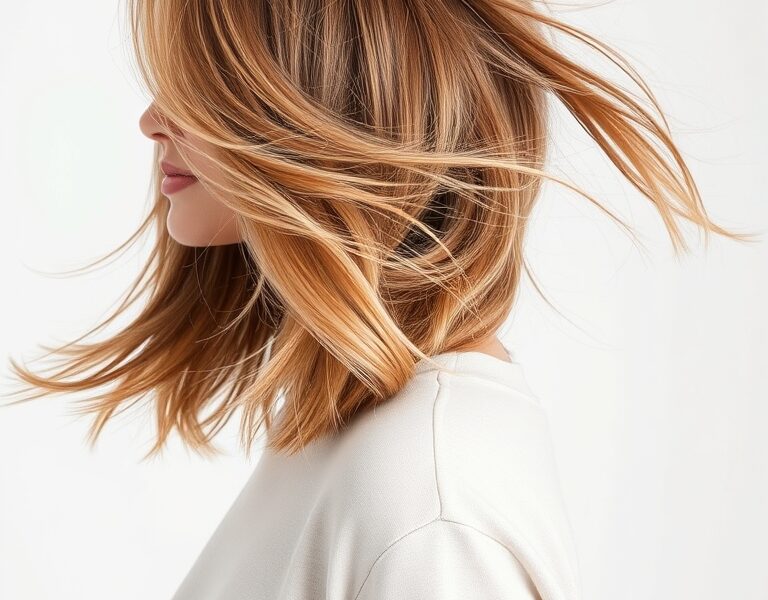
Layered haircut ideas are a versatile way to add movement, volume, and personality to any hair length. They transform flat, lifeless hair into a dynamic canvas that plays with light and angle. If your current cut looks heavy, triangular, or hard to style, layers can create a lighter outline without requiring a dramatic length change.
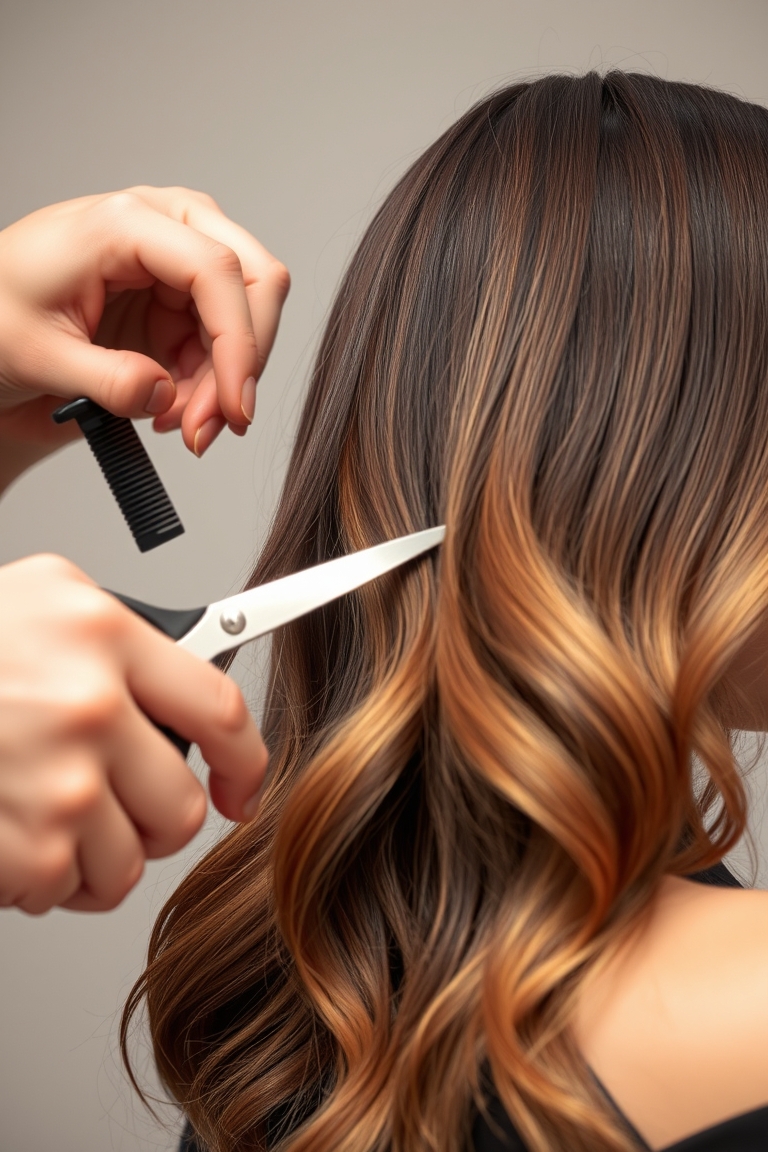
Layered Haircut Ideas for Every Length
Whether you have long, medium, or short hair, there are layered haircut ideas that suit your texture, face shape, and lifestyle. Layers work by cutting sections at different lengths, which removes weight in specific places and leaves other areas fuller. The result can be soft and polished, undone and textured, or bold and architectural depending on where the shortest pieces fall.
Layers for Long Hair
Long hair can feel heavy and dull if it’s all one length. Introducing layers for long hair lightens the weight and adds a beach‑y bounce, especially around the face and mid-lengths. The placement matters: layers that start near the cheekbones create a strong frame, layers that start at the chin give a softer shape, and layers that begin near the collarbone add movement without sacrificing too much length.


- Graduated layers – cut the hair in a gentle slope from the bottom up, giving a soft, flowing look that works well for everyday styling.
- Textured blunt cut layers – create a sharp line at the ends while keeping the rest longer, ideal for those who want a modern edge without losing density.
- Chunky layers – deeper cuts that add volume at the roots and a dramatic silhouette, especially on thick or wavy hair.
When you ask a stylist for layers for long hair, mention the amount of movement you want. If you’re prone to frizz, ask for more texture through point cutting rather than thinning. If you prefer a polished look, keep the layers subtle and ask for a clean perimeter.
Layered Hairstyles that Work for Short Hair
Short hair can also benefit from layered haircut ideas. Layering in a short cut helps prevent a boxy shape and encourages natural flow. The trick is to remove weight without making the ends look sparse, so the layers should be blended carefully around the crown, nape, and face.
- Pixie with layers – layers that blend into the scalp for a sculpted look, with longer pieces on top for texture.
- Bob with side layers – a bob cut that has slightly longer layers on one side to add asymmetry and movement.
- Long bob (lob) with feathered layers – a lob that’s cut in feathered layers to soften the front and make styling easier.
Short layered hairstyles are perfect for busy lifestyles because they require less product and are easier to manage daily. For pixies, ask for internal texture if your hair is thick, or soft surface layers if your hair is fine. For bobs, avoid over-thinning the ends because it can make the shape collapse instead of swing.
Choppy Layers for Texture
Choppy layers are a bold layered haircut idea that adds a rock‑star vibe. They’re especially effective for wavy or curly hair, as they break up bulk and create definition. The best choppy cuts look intentional, not uneven, so the texture should be distributed through the ends and mid-lengths rather than only at the surface.
- Ask your stylist to use a cut‑and‑throw technique, where the scissors are thrown downward to create uneven ends and a lived‑in shape.
- Use a razor or thinning shears for a softer edge, but keep thinning minimal if your hair is already fragile or very curly.
- Keep the length moderate—long enough to show texture but short enough to see the choppiness.
Choppy layers often work well with a loose updo or a messy bun, letting the texture pop when you let your hair down. At home, scrunch in mousse or a texturizing spray while hair is damp, then let it air dry or diffuse on low heat.
Face Framing Layers to Highlight Features
Face framing layers are a specific type of layered haircut idea that focuses on the front of the hair to create a flattering shape around the face. They can be cut as curtain bangs, wispy tendrils, long swoops, or soft cheekbone pieces depending on how much change you want.
- Oval or round faces – layers that angle slightly downward from the forehead can soften the jawline and add definition.
- Square faces – soft, angled layers help reduce the harshness of strong cheekbones and create movement around the temples.
- Long faces – layers that add width around the cheekbones create balance and keep the shape from falling too straight.
The technique involves cutting the front sections in a shallow angle, then blending them into the rest of the hair. This subtle layering can make the eyes appear larger and the face more proportionate. If you wear your hair curly, ask your stylist to check the frame while your curls are dry or semi-dry so the pieces land where you actually wear them.
How Layers Change by Texture
Layers for Fine Hair
Fine hair benefits from long, soft layers that create the illusion of thickness without removing too much density. Ask for face-framing pieces, light internal layering, or a layered lob rather than very short layers all over. Styling with root-lift mousse and a round brush can make the cut look fuller from day one.
Layers for Thick Hair
Thick hair often needs weight removal rather than visible short layers. Ask for interior layers that reduce bulk at the crown and underlayers while keeping a stronger exterior line. This prevents the triangle effect and makes blowouts smoother.
Layers for Curly Hair
Curly hair needs shape that follows the curl pattern. Choppy layers can enhance natural curls by separating clumps and reducing heaviness, but too much thinning can cause frizz. A dry cut or curl-by-curl cut can be helpful if your curls shrink significantly when dry.
Layers for Straight Hair
Straight hair shows every cut line clearly, so precision matters. A blunt perimeter with subtle internal layers gives movement while keeping the ends looking healthy. If you want a sleek look, ask for long layers and minimal texturizing.
How to Maintain Your Layered Haircut Ideas
Keeping your layers looking fresh requires a few simple habits. Layers show damage faster than blunt cuts because the shorter pieces are more exposed, so maintenance is part of making the style look expensive.
- Regular trims – every 6–8 weeks to prevent split ends and maintain the shape; pixies may need 4–6 weeks.
- Use lightweight products – avoid heavy gels that can weigh down layers, especially around the crown.
- Dry with a diffuser – for wavy or curly hair, a diffuser helps preserve the cut’s texture and reduces frizz.
- Rotate styles – alternate between straightening, curling, and leaving natural to give the layers time to breathe.
- Protect from heat – use a heat protectant spray before styling to avoid damage and preserve movement.
A simple routine is to apply volumizing mousse at the roots, dry hair in the direction you normally wear it, then finish shorter pieces with a small amount of texture spray or lightweight oil. On second-day hair, use dry shampoo at the roots before restyling; it gives fine layers extra grip and helps updos hold better.
Expert Tips for Styling Layered Haircut Ideas
Layered hair can be styled in many ways. Below are proven methods to bring out the best in your cut.
1. Volumizing Updo
Gather the top layers into a low pony or a loose bun. Before securing, apply dry shampoo or texture spray for grip. Twist sections loosely instead of smoothing everything flat, then pull out a few face-framing pieces. The layers add texture to the bun, preventing it from looking flat.
2. Beach Waves
Apply a sea salt spray to damp hair, scrunch, and let it air dry or diffuse. For a more polished version, curl 1-inch sections away from the face, alternate directions, then break the waves apart with your fingers. The layers catch the movement and create a softer finish than one-length hair.
3. Sleek Straight
Use a flat iron on the longer layers, but leave the shorter ones slightly textured for contrast. Start with heat protectant, dry hair completely, then straighten from roots to ends in small sections. Finish with a drop of smoothing serum on the mid-lengths to keep the ends shiny.
4. Side Part with Face Framing Layers
A deep side part amplifies the frame. Blow-dry the front pieces with a round brush so they sweep over the cheekbones, then pin the opposite side behind your ear for a red-carpet effect. This works especially well on layered lobs and medium-length cuts.
5. Textured Pixie
For short layered hairstyles, use a lightweight mousse on damp hair and scrunch with your fingers. Dry with a diffuser or use a blow-dryer nozzle for lift, then work a pea-sized amount of wax through the ends. The choppy layers will add edge without looking stiff.
Choosing the Right Stylist for Layered Haircut Ideas
Not every stylist is equally skilled in layering. Look for these qualities in a professional:
- Experience with layered cuts – ask to see before-and-after photos of clients with your length and texture.
- Good communication – they should understand your lifestyle, styling time, and how much maintenance you want.
- Knowledge of hair texture – a stylist who knows how to adjust layers for curly, straight, fine, or thick hair will give better results.
- Clear aftercare instructions – they should explain how to maintain the layers at home and what products to use.
Before the appointment, bring two or three photos: one for length, one for texture, and one for styling. Tell your stylist what you dislike about your current hair, such as heaviness, lack of volume, or awkward growth. Finding the right stylist ensures your layered haircut ideas are executed with precision and artistry.
FAQ About Layered Haircut Ideas
Layered haircut ideas: how often should I get a trim?
Most people benefit from a trim every 6–8 weeks. This keeps split ends at bay and preserves the shape of your layers. If you have a pixie or very short layered cut, you may need a trim every 4–6 weeks to keep the silhouette clean.
Can I get layered haircut ideas if I have fine hair?
Yes, but choose lighter, feathered layers to avoid weighing down the hair. Avoid overly aggressive cuts that can thin the texture. Long layers, soft face framing, and root-lift styling are usually the most flattering options for fine hair.
Do layered haircut ideas work for curly hair?
Absolutely. In fact, choppy layers can enhance natural curls by adding definition and reducing bulk. The key is to shape the layers around your curl pattern and avoid excessive thinning, which can create frizz instead of movement.
What products should I use to maintain my layered haircut ideas?
A lightweight mousse, sea salt spray, volumizing spray, or texturizing mist works well. Avoid heavy gels or pomades that can crush the layers. For heat styling, always use a protectant, and finish with a small amount of lightweight oil on the ends if they feel dry.
Can I style my layered haircut ideas at home without a stylist?
With practice, you can. Start with simple styles like a loose pony, soft waves, or a side-part blowout. Use heat protectant, texture spray, and the maintenance tips above. If your layers start to feel uneven or lose shape, schedule a trim rather than cutting them yourself.
For more technical details on how layers affect hair dynamics, you can read about the layered haircut on Wikipedia.
For additional styling inspiration, visit Hairdresser Woman and explore our collection of tutorials and trend guides.
Leave a Reply