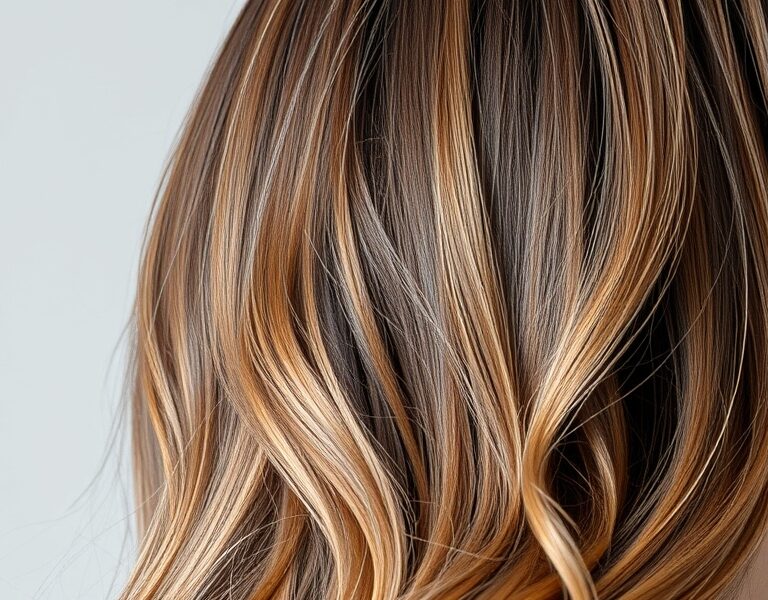
medium length hairstyles work because they meet your hair where it actually lives. They give you enough length to tuck behind your ears, pull into a low ponytail, twist into a half-up style, or curl without spending the morning wrestling with a curling iron. They also remove enough weight that thick hair feels lighter, while still giving fine hair a stronger line to hold onto.
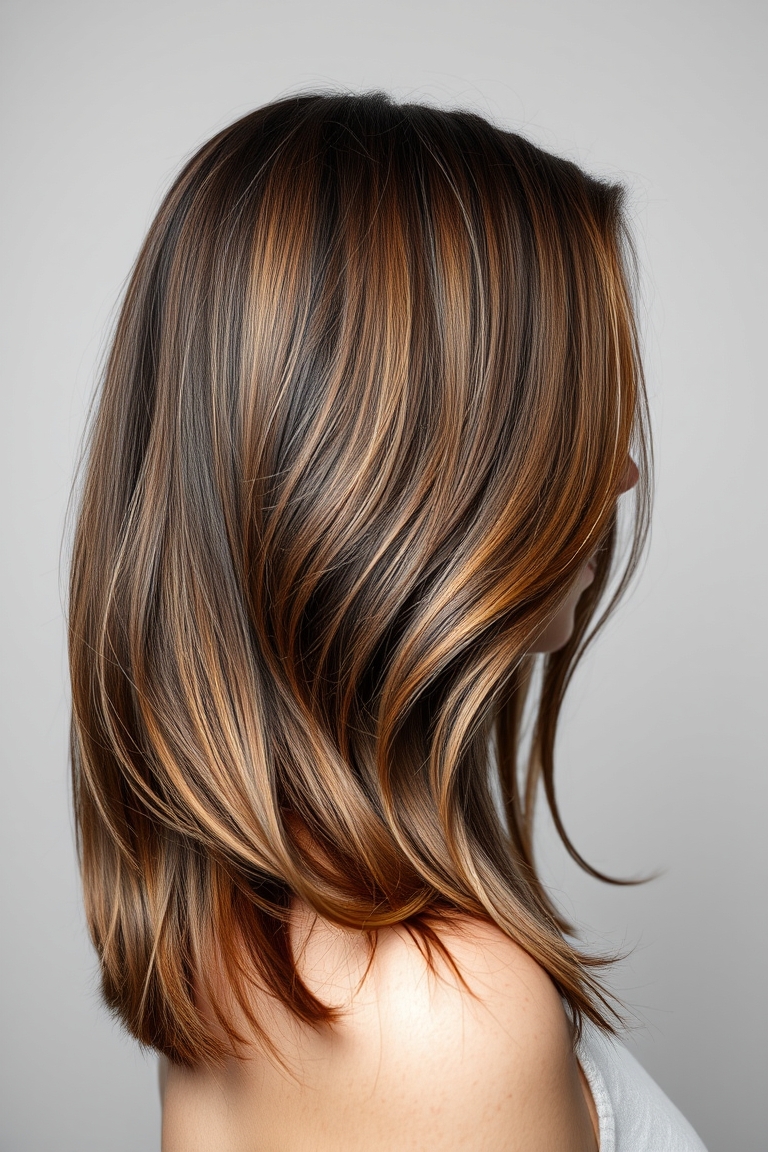
By medium length, think anywhere from just below the chin to a few inches under the collarbone, with some longer collarbone-to-upper-chest cuts included if the shape still feels light and movable. The sweet spot changes with texture. Straight hair may sit exactly where it is cut; curly and coily hair can shrink several inches, so the cut should be planned around the dry shape, not just the wet length.
medium length hairstyles that flatter everyone
When selecting a cut, the goal is to create balance, not to chase a trend that only works on one hair type. The right medium cut should work with your natural part, your face shape, your density, and the way you style your hair on a Tuesday morning when you have ten minutes, not just on the day you leave the salon.


For round faces, add length through the crown and keep the sides soft. Long layers that start around the cheekbone or lower can narrow the appearance without making the cut feel sparse. A side part, face-framing pieces, or a slightly longer front works beautifully because it draws the eye diagonally. The one shape to be cautious with is a heavy chin-length bob that ends right at the widest part of the face; it can make the cheek line look wider instead of softer.
Oval faces have the easiest time with medium length hairstyles because the proportions are naturally balanced. You can go blunt, layered, shaggy, or bang-heavy without fighting the shape of your face. Curtain bangs look especially good with an oval face because they graze the cheekbones and keep the forehead from feeling too closed in. A deep side part also adds a little drama if you want the cut to feel polished rather than casual.
Square faces benefit from movement around the jaw. Ask for feathered layers, soft ends, or a side-swept fringe that breaks up the strong horizontal line of the jawbone. A blunt cut can still work, but it should land below the chin or have a slight inward curve so it does not echo the squareness of the face. Think softness at the perimeter, not a hard shelf.
Heart-shaped faces often look best when the cut adds a little weight around the chin and lower jaw. Wispy curtain bangs, brow-skimming fringe, or layers that begin near the mouth can balance a wider forehead. Avoid stacking too much volume at the crown, which can exaggerate the top-heavy effect. A collarbone lob with a soft face frame is a reliable choice.
Diamond faces usually shine when the cut softens the cheekbones and adds a touch of fullness near the jaw or temples. Chin-grazing layers, a side part, or long curtain bangs can make the cheekbones look elegant instead of sharp. If you want bangs, keep them blended rather than dense; a heavy straight fringe can shorten the face and pull attention to the narrowest point at the chin.
Before your appointment, bring two reference photos: one front view and one back view. Tell your stylist whether you wear your hair straight, air-dried, clipped up, or in loose waves most days. A cut that looks gorgeous when blown out but falls flat when air-dried is not the right cut for your routine.
shoulder length hair styles
Shoulder length hair styles sit at the practical hinge point of medium hair. They are long enough to pull back, but short enough that shampoo, conditioner, and styling products do not disappear into the ends. This length also gives you room to play with ponytails, half-up styles, and soft waves without the drag of very long hair.
A blunt shoulder-length cut gives fine or straight hair a clean, expensive-looking line. If your hair tends to look flat, ask for face-framing layers only around the front so the perimeter stays strong. For wavy hair, a shoulder-length lob with loose layers can remove bulk while keeping enough weight to define the wave pattern. If your waves shrink when dry, have your stylist cut the length dry or check it while dry before finalizing the perimeter.
The key with shoulder length is where the ends land. If your hair flips outward at the shoulders, a subtle bevel or a slightly longer front can make the movement look intentional. If your hair tucks behind your ears all day, add a little texture around the face so the cut does not disappear. If you’re hovering between a collarbone cut and a longer shape, our shoulder-length haircut ideas guide can help you compare silhouettes before you book.
medium haircuts
Medium haircuts are not one shape; they are a set of tools. Layering removes bulk and adds lift, but too many layers can make fine hair look wispy at the ends. Blunt cutting preserves density, but on thick or coarse hair it can feel heavy unless the stylist adds internal movement. The best cut is the one that makes your everyday styling easier, not harder.
Long layers are the safest place to start for most people. When they begin near the chin and graduate gently toward the ends, they keep the length while giving the hair a natural swing. This works well for straight, wavy, and lightly curly hair. It also helps collarbone-length cuts avoid that triangular shape that happens when the ends get too dense.
Short, choppy layers create a more editorial feel. They are great if you like piecey texture, shaggy movement, or a lived-in finish with dry shampoo and texture spray. On thick hair, choppy layers can make the cut feel lighter. On fine hair, keep them longer and more blended so the ends still have body.
A graduated bob is another smart medium option. The back sits slightly shorter than the front, which gives lift at the crown and a soft line around the face. For a modern version, ask for a soft graduation rather than a dramatic stacked shape. Texturizing shears can soften the ends, but they should be used carefully; over-thinning can leave thick hair frizzy and fine hair transparent.
If you have thick hair, a razor cut can remove weight without making the style look shorter. It works especially well on wavy or slightly textured hair because it encourages separation. If your hair is very fine, skip aggressive razor work and ask for precision cutting instead. The goal is movement, not feathered ends that vanish by the next wash.
Curly and coily hair needs a different approach. Medium length curls can shrink from collarbone length to chin length once dry, so the cut should be shaped while dry whenever possible. Keep enough weight at the ends to support the curl pattern, then add layers where the curl needs release around the face or crown. A dry cut is often the difference between a shape that bounces and a shape that puffs.
mid length hair ideas
Mid length hair ideas usually focus on styling range. At collarbone to upper-chest length, you can go sleek, textured, braided, or pinned up without needing much extra hair. This is the length that makes a low chignon look effortless because the ends are short enough to sit neatly at the nape.
For a quick polished look, apply a lightweight mousse to damp hair, blow-dry with a round brush, and finish with a cool shot at the roots. Use a nickel-size amount for fine hair and a walnut-size amount for thicker hair. Too much product at this length can make the ends sticky, especially around the face.
For soft waves, use a 1.25-inch curling iron or wand and alternate the direction of each section. Curl the front pieces away from the face, then run your fingers through the waves once they cool. Finish with a light texture spray at the mid-lengths, not the roots, so the hair keeps volume without looking dusty.
Air-drying can be just as good if you set the hair up correctly. Smooth a leave-in conditioner through damp hair, add a curl cream or mousse, then scrunch gently from the ends upward. Let it dry without touching it too much. The more you fuss, the more frizz you create. When the cast breaks, rub a drop of serum between your palms and press it into the ends.
Braids look especially fresh at this length. A loose side braid starting at the temple gives a soft, romantic finish, while a small fishtail braid in a half-up style adds detail without looking fussy. For workdays, a twisted half-up with two face-framing pieces left out takes under two minutes and still feels put together.
Color can make medium length hairstyles look more dimensional without requiring a dramatic change. Soft balayage that is one or two shades lighter than your base adds movement around the face. Cool taupe lowlights work well on dark brown hair, honey tones brighten medium brown shades, and a copper gloss can make straight or wavy hair look richer. If you want something playful, a pastel ombre on lob-length hair gives the color enough space to fade gracefully.
lob hairstyles
The lob, or long bob, is one of the most useful medium length hairstyles because it can be dressed up or
For further reading, see related references on Wikipedia.
Leave a Reply