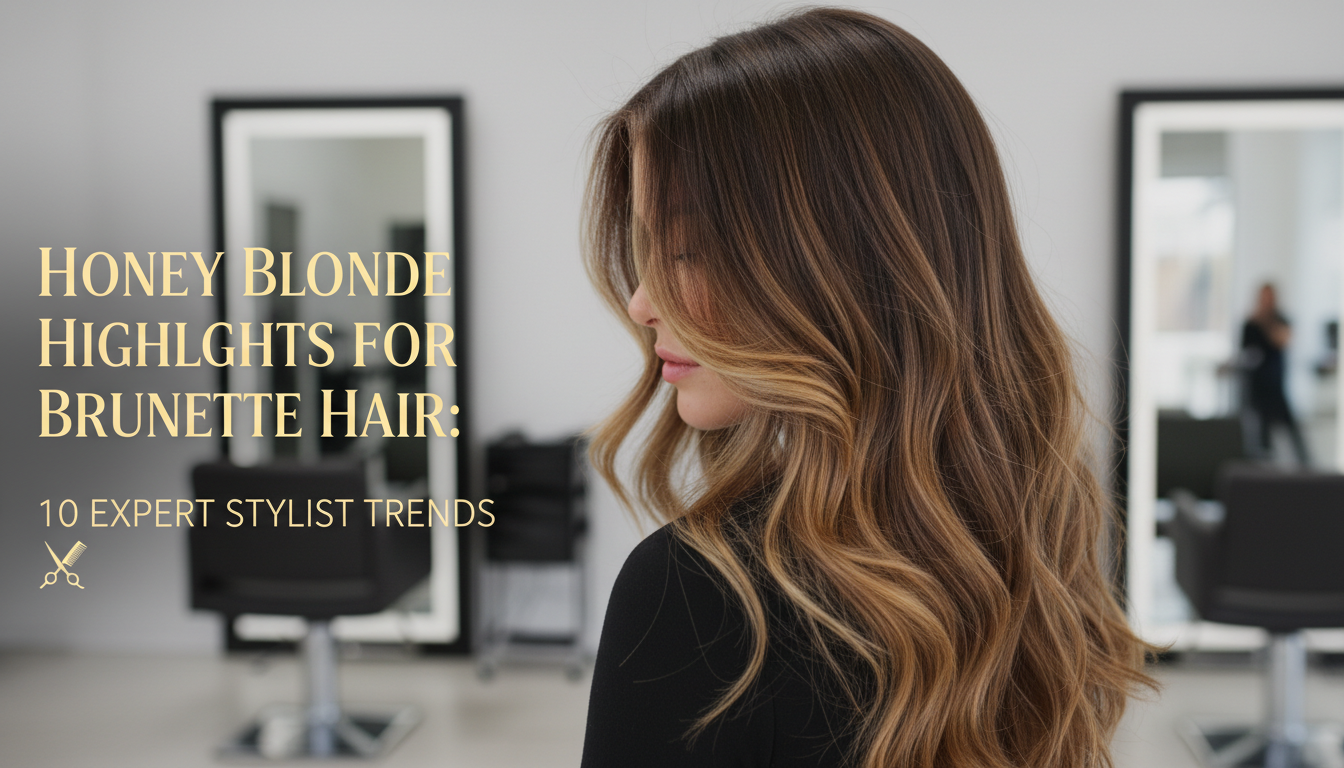
Transitioning from a solid brunette base to something more luminous often feels like a balancing act. You want brightness, but you don’t want to sacrifice the richness of your natural dark hair. Enter honey blonde: the perennial favorite for professional stylists and celebrities alike. Unlike cooler ash tones that can sometimes look “muddy” on warm skin, honey blonde offers a golden, sun-drenched glow that mimics the way hair naturally lightens after a summer in the Mediterranean.
The beauty of honey blonde highlights lies in their versatility. Whether you are a deep espresso or a light chestnut brunette, these warm-toned ribbons of color provide an instant “lift” to the complexion. In this guide, we explore the top ten trends currently dominating salons, along with expert advice on how to maintain that post-chair radiance.
Top 10 Honey Blonde Trends for Brunettes
Stylists are moving away from one-size-fits-all highlighting. Modern techniques focus on the placement, “sweep,” and saturation of the color to create a bespoke look. Here are the trends defining the season.
1. The Classic Honey Balayage
Balayage remains the gold standard for a reason. By hand-painting the honey blonde onto the mid-lengths and ends, stylists create a seamless transition. This “lived-in” look is perfect for brunettes who want a low-maintenance style that grows out beautifully without a harsh line of demarcation.
2. Honey-Dipped “Money Piece”
If you want a high-impact change without coloring your entire head, the “money piece” is the answer. This involves placing bright honey-blonde highlights specifically around the face. It brightens the eyes and skin instantly, acting like a built-in ring light.
3. Subtle Honey Babylights
For the “I was born with this” look, babylights are the way to go. These are ultra-fine, delicate highlights woven throughout the hair. The result is a shimmering, multidimensional effect that looks like natural sunlight reflecting off your strands.
4. Toasted Honey Ombré
Ombré has evolved. The “toasted” version keeps the roots a rich, dark brunette, melting into a saturated honey blonde at the ends. It’s a bolder statement than balayage but keeps the warmth concentrated where it catches the most light.
5. Honey and Caramel “Ribboning”
Mixing honey blonde with slightly deeper caramel tones creates “ribbons” of color. This technique adds immense depth and movement, making it an excellent choice for women with wavy or curly hair textures who want to show off their hair’s shape.
6. The “Root Smudge” with Honey Accents
To ensure your highlights look natural, many stylists now use a root smudge. They apply a toner close to your natural brunette shade at the roots to “blur” the start of the honey highlights. This prevents the “zebra stripe” look and extends the time between salon visits.
7. Copper-Honey Fusion
For brunettes with warm or olive undertones, adding a hint of copper to the honey mix creates a vibrant, spicy blonde. It feels rich, autumnal, and incredibly expensive-looking.
8. Glazed Honey Teasylights
Teasylights involve backcombing the hair before applying lightener, resulting in a diffused, soft-focus finish. When finished with a high-shine “honey glaze” or gloss, the hair looks exceptionally healthy and luminous.
9. Chunky 90s-Inspired Honey Strips
The 90s are back, but with a modern twist. Instead of the stark white-blonde chunky highlights of the past, stylists are using thick ribbons of warm honey. It’s a bold, editorial look that works best on sleek, straight hair.
10. Sun-Kissed “Treadmill” Highlights
Named for the way hair looks when you’re active and outdoors, these highlights are placed randomly where the sun would naturally hit—the crown, the hairline, and the very tips. It’s the ultimate “no-filter” hair color.
Choosing the Right Shade for Your Skin Tone
Not all honey is created equal. The “perfect” honey blonde depends entirely on your underlying skin tone. A professional colorist will usually categorize your skin into one of three buckets:
- Cool Undertones: Look for “Creamy Honey.” It has a touch of beige to prevent the gold from looking too orange against your skin.
- Warm Undertones: Go for “Amber Honey.” The golden and reddish-yellow reflects will complement your natural glow perfectly.
- Neutral Undertones: You can play with “True Honey”—a balanced mix of gold and wheat tones that offers maximum versatility.
Maintenance: Keeping Your Honey Bright
The biggest enemy of honey blonde highlights is brassiness. Because brunette hair has natural red and orange pigments, those pigments can “peek through” as your toner fades. To keep your color looking fresh, follow these expert tips:
- Use Sulfate-Free Shampoo: Sulfates strip color and moisture. Switch to a color-safe formula.
- Try a Blue or Purple Conditioner: While purple is usually for platinum blondes, a blue-toned conditioner can help neutralize unwanted orange “rust” tones in brunette-to-blonde transitions.
- Schedule a Gloss Every 6 Weeks: A clear or honey-tinted gloss at the salon can revive your color without the need for a full highlight appointment.
- Heat Protection is Non-Negotiable: High heat can literally “cook” your color, causing it to turn dull or yellow. Always use a protectant spray.
Pros & Cons of Honey Blonde Highlights
Before booking your appointment, it is helpful to weigh the benefits against the reality of hair maintenance.
| Pros | Cons |
|---|---|
| Adds instant dimension and “life” to dark hair. | Requires lightening (bleaching), which can cause some dryness. |
| Warm tones are generally more flattering than ash on most skin types. | Prone to becoming “brassy” if not maintained with the right products. |
| Lower maintenance than a full head of blonde color. | Requires professional application to avoid “orange” results. |
| Softens the facial features and hides grey hair effectively. | Initial salon appointments can be time-consuming (2–4 hours). |
Frequently Asked Questions
Will honey blonde highlights damage my brunette hair?
Any time you lift pigment from the hair using lightener, there is a risk of dryness. However, because honey blonde doesn’t require the hair to be lifted to a pale white level, it is significantly less damaging than going platinum. Stylists often use bond-builders like Olaplex to maintain hair integrity during the process.
How often do I need to touch up my highlights?
If you choose a balayage or “lived-in” technique, you can go 12 to 16 weeks between appointments. If you choose traditional foil highlights that go up to the root, you will likely need a touch-up every 6 to 8 weeks to manage regrowth.
Can I get honey blonde highlights at home?
It is generally not recommended for brunettes to highlight their own hair at home. Lifting dark pigment often results in “hot roots” or an orange “brassy” finish that requires professional color correction, which is more expensive than a standard highlight service.
Is honey blonde the same as caramel blonde?
They are similar but different in depth. Caramel is typically darker and more “burnt sugar” in tone, while honey blonde is lighter, more golden, and has more “yellow-gold” luminosity. Many stylists mix both to create the most natural look.
Do I need special shampoo for honey blonde hair?
Yes. Look for shampoos labeled “color-extending” or “sulfate-free.” Occasionally using a blue-pigmented shampoo (about once every three washes) will help keep the honey tone from looking too orange.
—
Topic: Honey blonde highlights for brunette hair
Tags: #Honey #Blonde #Highlights #Brunette #Hair Care #Expert #Stylist #Trends