Author: HairDresserWoman

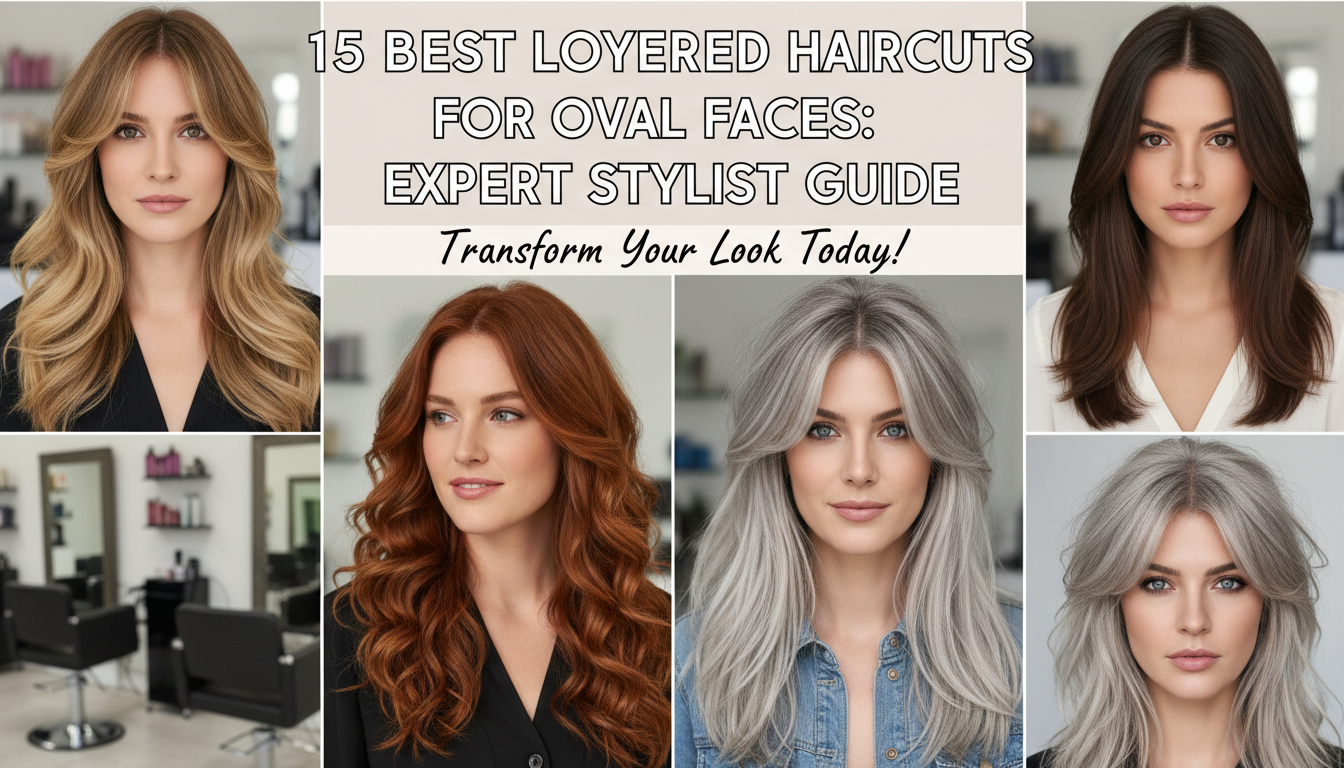
  • 15 Best Long Layered Haircuts for Oval Faces: Expert Stylist Guide

    15 Best Long Layered Haircuts for Oval Faces: Expert Stylist Guide

    Finding the perfect haircut for an oval face shape is often described by stylists as a “creative playground.” Because the oval shape is characterized by balanced proportions—where the length is slightly longer than the width and the jawline is softly rounded—it is widely considered the most versatile canvas in hair design. However, “versatile” doesn’t mean “one size fits all.”

    When dealing with long hair, the goal for an oval face is to maintain that natural symmetry while adding movement, volume, and character. Layers are the secret weapon here; they prevent the hair from looking “weighed down” and can highlight specific features like your cheekbones or eyes. In this guide, we explore the 15 most effective long layered haircuts tailored specifically for the oval silhouette.

    Top 15 Long Layered Hair Carecuts for Oval Faces

    1. Classic Face-Framing Layers

    This is the gold standard for oval faces. The layers typically start just below the chin and cascade downward. By starting the layers at the jawline, you accentuate the balanced structure of an oval face without making it appear too long.

    2. The “Butterfly” Cut

    A modern trend that combines short layers on top (near the crown) with longer layers throughout the bottom. For an oval face, this creates a voluminous, feathered look that provides a beautiful “lifting” effect to the facial features.

    3. Soft Internal Layers

    Also known as “invisible layers,” these are cut underneath the top section of hair. They provide movement and remove bulk without changing the external silhouette of the hair—perfect for those who want a sleek look with hidden volume.

    4. Long Shag with Curtain Bangs

    Oval faces are the best candidates for curtain bangs. When paired with a long shag, the bangs draw attention to the eyes, while the choppy layers add an effortless, “cool-girl” edge that breaks up the vertical line of the face.

    5. V-Shaped Layers

    In this cut, the ends of your hair are cut into a “V” shape. This creates a sharp, dramatic look from the back while keeping the front layers manageable. It’s an excellent choice for maintaining maximum length while adding a point of visual interest.

    6. The U-Cut

    Slightly softer than the V-cut, the U-shaped hemline provides a more rounded, classic appearance. It allows the layers to blend seamlessly, which complements the soft curves of an oval jawline.

    7. 90s-Inspired “Supermodel” Layers

    Think big, bouncy, and heavily layered. This style uses “round layers” that are blown out away from the face. Since oval faces are symmetrical, they can handle the high volume of this style without being overwhelmed.

    8. Choppy Bohemian Layers

    For a more relaxed vibe, choppy layers with uneven ends create a “lived-in” texture. This adds width to the sides of the hair, which can be beneficial if your oval face leans toward the narrower side.

    9. Tapered Layers for Thick Hair Care

    If you have high density, tapered layers remove weight from the mid-lengths to the ends. This prevents the hair from looking like a “triangle” and keeps the focus on your facial features.

    10. Wispy Ghost Layers

    Ghost layers are extremely thin, delicate layers cut at varying lengths. They are ideal for fine-haired individuals with oval faces who want the movement of layers without sacrificing the thickness of their base line.

    11. The Waterfall Cut

    This technique involves layers that blend into each other like a literal waterfall. It creates a very smooth transition from the shortest layer to the longest, providing a sophisticated, polished aesthetic.

    12. Side-Swept Layered Fringe

    Adding a deep side part with layered bangs can help “shorten” the appearance of a very long oval face. The layers should blend from the fringe into the rest of the length to maintain a cohesive flow.

    13. Razor-Cut Textured Layers

    Using a razor instead of shears creates “shattered” ends. This adds a gritty, modern texture that looks fantastic on oval faces, especially when styled with a sea salt spray or texturizing paste.

    14. Long Layers with Blunt Ends

    By keeping the very bottom of the hair blunt while layering the top sections, you get the best of both worlds: the illusion of thickness at the bottom and the movement of layers at the top.

    15. The “Rachel” Evolution

    A modern, longer version of the classic 90s cut. It features heavy face-framing pieces that hug the face. For an oval shape, these pieces can be customized to hit exactly at the cheekbones to highlight your bone structure.

    Choosing the Right Layer Style for Your Hair Care Type

    While the oval face shape is versatile, your hair’s natural texture plays a significant role in how these layers will behave. Use the table below to identify which layered approach suits your specific hair type.

    Hair Care Type Recommended Layer Style The Benefit
    Fine Hair Care Ghost Layers / U-Cut Adds movement without losing density.
    Thick Hair Care Tapered / V-Shaped Layers Removes bulk and prevents “poofiness.”
    Wavy/Curly Long Shag / Internal Layers Enhances natural curl pattern and reduces “weight.”
    Straight Hair Care Face-Framing / Butterfly Cut Adds shape and prevents a “flat” appearance.

    Pros and Cons of Long Layers for Oval Faces

    Pros

    • Versatility: Long layers offer endless styling options, from sleek straight looks to voluminous curls.
    • Balanced Proportions: They naturally complement the symmetry of an oval face.
    • Feature Highlighting: Layers can be “pointed” toward your best features, such as eyes or cheekbones.
    • Weight Management: For those with thick hair, layers make long hair much more manageable and easier to dry.

    Cons

    • Maintenance: To keep layers looking sharp and prevent them from looking “straggly,” you need trims every 6–8 weeks.
    • Styling Time: Layered hair often requires more effort with a round brush or curling iron to show off the dimension.
    • Growth Phases: If you decide to grow your hair out to a single length again, the “in-between” stages can be frustrating.

    Expert Maintenance Tips

    To keep your long layers looking salon-fresh, follow these professional tips:

    • Use the Right Tools: A high-quality round brush is essential for “flipping” layers and creating that classic bounce.
    • Mind the Ends: Because layers expose more of your hair’s ends, they are prone to showing split ends. Use a lightweight hair oil or serum daily.
    • Don’t Over-Process: If you get highlights, ensure your colorist places “points of light” on the layers to enhance the movement.
    • Sectional Drying: When blow-drying, always dry the face-framing layers first, as they set the tone for the entire look.

    Frequently Asked Questions

    What is the best layer length for an oval face?

    For an oval face, the “sweet spot” for the first layer usually starts at the chin or the cheekbones. Starting layers higher can sometimes make the face appear longer than it is, while starting them lower may not provide enough framing.

    How often should I trim long layers?

    To maintain the shape and “swing” of the layers, a trim every 8 weeks is recommended. If you have fine hair that is prone to breakage, you may want to visit your stylist every 6 weeks.

    Do layers make hair look thicker or thinner?

    It depends on the technique. “Blunt” layers can make hair look thicker by adding volume at the crown, while “thinned-out” or “shingled” layers are designed to make thick hair look sleeker and less bulky.

    Can I have long layers if I have a high forehead?

    Absolutely. If you have an oval face with a higher forehead, pairing your long layers with curtain bangs or a soft fringe is the perfect solution to balance your proportions.

    Are V-cut layers out of style?

    Not at all. While the U-cut is currently more “trendy” for its softness, the V-cut remains a staple for those who love a dramatic, pointed look and want to keep their hair as long as possible in the center back.


    Topic: Long layered haircuts for oval faces
    Tags: #Long #Layered #Hair Carecuts #Oval #Faces #Expert #Stylist #Guide

  • Best Bob Haircuts for Fine Hair 2026: 15 Expert Volumizing Picks

    Best Bob Haircuts for Fine Hair 2026: 15 Expert Volumizing Picks

    Fine hair often feels like a balancing act. If it’s too long, it lacks volume and looks “stringy”; if it’s cut incorrectly, it can look sparse. However, as we look toward the hair trends of 2026, the bob remains the undisputed champion for those with finer textures. By removing the weight that pulls hair down, a strategic bob creates the illusion of density, movement, and health.

    The 2026 aesthetic moves away from the ultra-sleek, flat looks of the past and leans into “structured volume.” This means utilizing precision cutting techniques that make hair look thicker than it actually is. Whether you prefer a sharp, blunt edge or a soft, airy texture, there is a volumizing bob designed to transform your look.

    Why the Bob is the Best Choice for Fine Hair Care

    The science behind a great haircut for fine hair is simple: weight management. Fine hair strands have a smaller diameter, and when they grow past the shoulders, gravity takes over. This flattens the roots and emphasizes any gaps in the hair’s density.

    A bob solves this by bringing the baseline up. When the ends are cut cleanly at the jawline or collarbone, the hair bounces back, creating natural lift. Furthermore, modern cutting techniques—such as “internal layering”—can add shape without thinning out the ends, which is a common mistake in traditional haircuts.

    15 Expert Volumizing Bob Picks for 2026

    1. The Italian Bob

    The Italian Bob is all about “expensive-looking” volume. Unlike the more structured French bob, this version is slightly longer and features chunky, blunt ends. It is designed to be tossed from side to side, which naturally boosts volume at the roots.

    2. The “Box” Bob

    A favorite for 2026, the Box Bob uses a square-shaped perimeter to add a sense of thickness to the bottom of the hair. It’s a great choice if your hair tends to look “see-through” at the ends. The bluntness creates a strong horizontal line that mimics density.

    3. The Scandi Bob

    Characterized by its easy, off-duty vibe, the Scandi bob is usually worn with a deep side part. By flipping the hair over to one side, you create an instant “wall” of volume at the crown that lasts all day.

    4. The French Bob with Airy Bangs

    This chin-length cut uses soft, wispy bangs to frame the face. For fine hair, the bangs should be kept light so they don’t take too much density away from the rest of the style, while the shorter length prevents the hair from looking limp.

    5. The “Invisible Layer” Bob

    Instead of obvious steps, your stylist uses “ghost layers” or internal layering. These are shorter pieces hidden underneath the top layer of hair that act as a “kickstand,” pushing the top layers up to create a fuller silhouette.

    6. The Blunt Power Bob

    There are no layers here. By cutting the hair at one single length, every strand contributes to the thickness of the hemline. This is the ultimate “cheat code” for making fine hair look twice as thick as it really is.

    7. The Hydro-Bob

    A 2026 trend that focuses on shine and “wet-look” styling. For fine hair, this involves using lightweight, water-based serums that provide definition without the grease, making the hair look controlled and intentional.

    8. The Graduated A-Line Bob

    Slightly shorter in the back and longer in the front, this classic shape pushes the hair forward toward the face. The stacked back creates a natural shelf of volume that fine hair often lacks at the occipital bone.

    9. The Choppy Shaggy Bob

    If you prefer a lived-in look, the shaggy bob uses razor-cut ends to create movement. The key for fine hair is to keep the “shag” concentrated at the top and middle, leaving the baseline solid to maintain the appearance of thickness.

    10. The 90s “Butterfly” Bob

    Inspired by the popular long butterfly cut, this bob version uses short, face-framing layers that flick outward. This outward movement creates width, which is perfect for balancing out a narrow face or thin hair texture.

    11. The Micro-Bob

    Sitting just below the ears, the micro-bob is a bold choice that works exceptionally well for fine hair. The shorter the hair, the more strength it has, allowing it to stand up away from the scalp more easily.

    12. The Asymmetrical Bob

    By having one side slightly longer than the other, you draw the eye across the hair diagonally. This visual trick distracts from a lack of volume and gives the hair a modern, edgy feel.

    13. The “Soft Wave” Lob

    A “Lob” (long bob) hitting the collarbone is ideal for those not ready to go too short. When styled with oversized, soft waves, the hair expands horizontally, filling in the space around the neck and shoulders.

    14. The Laser-Cut Bob

    This technique uses extreme precision to create a perfectly straight edge. For fine hair, this eliminates any “fuzziness” at the ends, making the hair look sharp, healthy, and substantial.

    15. The Deep Side-Part Bob

    Technically a styling choice, but when cut specifically for this part, it’s a game-changer. One side becomes incredibly thick and voluminous, while the other side can be tucked behind the ear for a chic, asymmetrical look.

    Matching the Bob to Your Face Shape

    Choosing the right bob isn’t just about the hair texture; it’s about balancing your features. Use the table below to find your perfect match.

    Face Shape Recommended Bob The Volumizing Goal
    Round Long Bob (Lob) Elongates the face while adding height at the crown.
    Oval Any Bob (Micro to Lob) Versatile; can focus on adding width to the sides.
    Square Textured/Soft Bob Softens the jawline with movement and layers.
    Heart Chin-Length Blunt Bob Adds fullness around the jaw to balance a wider forehead.

    Professional Styling Secrets for Fine Hair Care

    A great cut is the foundation, but how you style it determines the final volume. Experts recommend these three pillars for 2026 styling:

    1. The “Root Lift” Technique

    Avoid applying heavy conditioners to the roots. Instead, use a lightweight volumizing mousse on damp hair and blow-dry with your head upside down until the hair is 80% dry. This “sets” the roots in an upward position.

    2. Dry Shampoo as a Texturizer

    Don’t wait for your hair to get oily to use dry shampoo. Applying a small amount to clean, dry hair provides “grip” and prevents the strands from sliding against each other and falling flat.

    3. The Cool Shot

    When using a round brush to create volume, always finish each section with the “cool shot” button on your dryer. Heat shapes the hair, but cold air sets the shape. This ensures your volume doesn’t deflate the moment you walk out the door.

    Pros and Cons of a Bob for Fine Hair Care

    Pros

    • Instant Thickness: Removing dead weight makes hair appear significantly denser.
    • Ease of Styling: Shorter hair takes less time to wash, dry, and style.
    • Healthier Appearance: Regular trims for a bob remove split ends before they can travel up the hair shaft.
    • Versatility: Bobs can be worn sleek and professional or messy and casual.

    Cons

    • Maintenance: To keep the “volumizing” shape, you’ll need a trim every 6–8 weeks.
    • Limited Updos: Very short bobs may not allow for a full ponytail or bun.
    • Styling Requirement: Fine hair in a bob often requires at least a little product to prevent it from looking “fluffy.”

    Frequently Asked Questions

    Is a blunt cut better than layers for fine hair?

    Generally, yes. A blunt cut keeps the maximum amount of hair at the baseline, which creates the appearance of thickness. However, “internal” or “ghost” layers can be used to add lift without making the ends look thin.

    How often should I wash my fine-haired bob?

    Fine hair tends to show oil faster, which weighs it down. Most experts recommend washing every other day with a volumizing, sulfate-free shampoo to maintain bounce without stripping the hair of its natural oils.

    Can I have a bob if I have a round face and fine hair?

    Absolutely. The key is to go for a “Lob” (long bob) that hits slightly below the chin. This creates vertical lines that slim the face while still providing the volumizing benefits of a shorter cut.

    What products should I avoid?

    Avoid heavy oils, waxes, and thick silicones. These are too heavy for fine strands and will cause the hair to clump together, revealing the scalp and making the hair look thinner.

    Will a bob make my hair look thinner?

    Actually, the opposite is true. Long, fine hair often looks thin because of the “tapered” effect at the ends. A bob cuts off that thinness, leaving only the densest part of your hair visible.


    Topic: Best bob haircuts for fine hair 2026
    Tags: #Bob #Hair Carecuts #Fine #Hair Care #Expert #Volumizing #Picks

  • Hello world!

    Welcome to WordPress. This is your first post. Edit or delete it, then start writing!