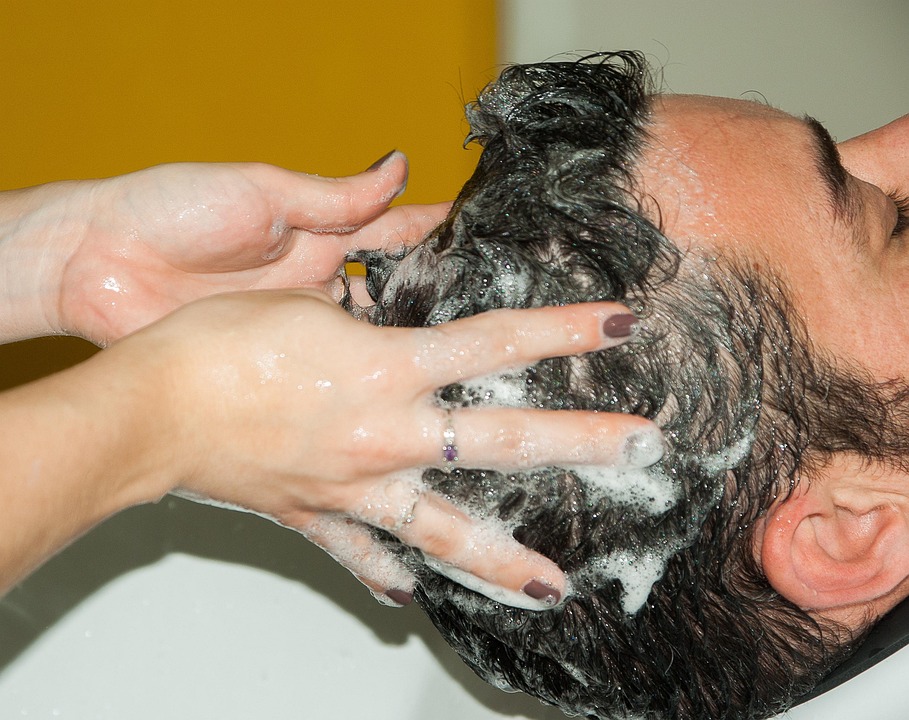
Maintaining vibrant, salon-fresh color is an investment in both time and money. However, the quickest way to see that investment literally wash down the drain is by using the wrong cleanser. Traditional shampoos often rely on harsh surfactants like Sodium Lauryl Sulfate (SLS), which, while effective at cleaning, can lift the hair cuticle and strip away pigment.
Sulfate-free shampoos have evolved from niche specialty products to professional standards. By utilizing gentler cleansing agents derived from coconut or sugar, these formulas clean the scalp without compromising the integrity of your hair dye. In this guide, we break down ten expert-tested formulas that balance cleansing power with color preservation.
Why Sulfate-Free Matters for Color-Treated Hair Care
When hair is chemically colored, the cuticle is sensitized. Sulfates are aggressive detergents that can cause the hair shaft to swell excessively, allowing color molecules to escape. Furthermore, sulfates strip away the natural oils that keep colored hair from looking brittle and “fried.”
Switching to a sulfate-free routine offers several benefits:
- Longer Color Retention: Reduces the rate of fading, especially for “difficult” colors like red or pastel.
- Moisture Balance: Helps maintain the lipid barrier of the hair strand.
- Scalp Health: Reduces irritation for those with sensitive skin or eczema.
- Improved Texture: Leaves hair feeling softer and less prone to frizz.
Top 10 Sulfate-Free Shampoos Reviewed
Our selection is based on ingredient analysis, pH balance, and real-world performance on various hair types, from fine and oily to thick and processed.
1. Pureology Hydrate Shampoo
Widely considered the gold standard for color-treated hair, Pureology Hydrate uses a signature Antifade Complex. It is a highly concentrated formula, meaning a nickel-sized amount is enough for most hair lengths.
- Best For: Dry, medium-to-thick color-treated hair.
- Key Ingredient Education: Jojoba, green tea, and sage.
- Expert Note: The cooling menthol sensation is great for scalp stimulation, but the formula is 100% vegan.
2. Olaplex No. 4 Bond Maintenance Shampoo
More than just a cleanser, Olaplex No. 4 focuses on structural repair. It uses patented bond-building technology to relink broken disulfide bonds caused by bleaching and coloring.
- Best For: Severely damaged or over-processed hair.
- Key Ingredient Education: Bis-Aminopropyl Diglycol Dimaleate.
- Expert Note: It creates a surprisingly rich lather for a sulfate-free product, making the transition easier for those used to traditional suds.
3. Redken Color Extend Magnetics Shampoo
Redken uses an acidic formula to balance the pH of the hair after chemical services. This helps “seal” the cuticle, trapping the color inside for a high-shine finish.
- Best For: Maintaining vibrancy and shine.
- Key Ingredient Education: Amino-ions and glutamic acid.
- Expert Note: This is a lightweight formula that won’t weigh down fine hair.
4. L’Oréal Paris EverPure Sulfate-Free Moisture Shampoo
Proof that you don’t need to spend forty dollars for quality care. The EverPure line is a drugstore favorite that mimics the performance of high-end salon brands without the premium price tag.
- Best For: Budget-conscious consumers.
- Key Ingredient Education: Rosemary botanicals.
- Expert Note: It is exceptionally gentle and free of harsh salts that can dull hair over time.
5. Living Proof Color Care Shampoo
Living Proof focuses on the science of water quality. Their formula includes a “locking molecule” that forms a protective layer to keep color in and keep out environmental aggressors like hard water minerals.
- Best For: People living in areas with hard water.
- Key Ingredient Education: Proprietary Color-Locking Molecule.
- Expert Note: This shampoo is also effective at UV protection, preventing sun-induced fading.
6. SheaMoisture Purple Rice Water Strength + Color Care
Specifically formulated for hair that has been weakened by color treatments, this shampoo blends traditional ingredients with modern science to restore brittle strands.
- Best For: Weakened or brittle hair; also great for curls.
- Key Ingredient Education: Purple rice water, wild orchid, and sweet violet extract.
- Expert Note: Excellent for restoring protein balance without making the hair feel stiff.
7. Briogeo Don’t Despair, Repair! Super Moisture Shampoo
Combining the benefits of a hair mask with the daily utility of a shampoo, Briogeo is a leader in the “clean beauty” space. It provides intense hydration for hair parched by lightener.
- Best For: Extremely dry, high-porosity hair.
- Key Ingredient Education: Algae extract, panthenol, and biotin.
- Expert Note: 95% naturally derived and works wonders on split ends.
8. Verb Ghost Shampoo
For those with fine hair who fear being weighed down by moisturizing ingredients, Verb Ghost is the solution. It cleanses effectively while remaining virtually weightless.
- Best For: Fine hair and daily washers.
- Key Ingredient Education: Moringa oil and sunflower seed extract.
- Expert Note: Moringa oil naturally smoothes frizz without the buildup associated with heavy silicones.
9. Moroccanoil Color Care Shampoo
This formula uses an “ArganID” system to infuse argan oil into the hair’s cortex while simultaneously repairing the cuticle. It is designed to extend color life by preventing environmental damage.
- Best For: Sun-exposed hair and those who love a luxury scent.
- Key Ingredient Education: Argan oil and Pomegranate extract.
- Expert Note: Very effective at neutralizing the brassy tones that often appear in brown hair as it fades.
10. Matrix Biolage Colorlast Shampoo
Inspired by the orchid, which retains its color for weeks, this low-pH shampoo is designed to maintain the depth, tone, and shine of vivid colors.
- Best For: Bright reds, purples, and blues.
- Key Ingredient Education: Orchid extract.
- Expert Note: Paraben-free and very effective at detangling during the wash.
Comparison Table: Quick Features
| Product Name | Primary Benefit | Best Hair Care Type |
|---|---|---|
| Pureology Hydrate | Maximum Hydration | Medium to Thick |
| Olaplex No. 4 | Bond Repair | Damaged / Bleached |
| L’Oréal EverPure | Affordability | All Hair Care Types |
| Verb Ghost | Weightless Volume | Fine / Thin |
| Matrix Biolage | Vibrancy Retention | Vivid Colors |
Pros and Cons of Sulfate-Free Shampoos
Pros
- Reduced Fading: Drastically extends the time between salon visits.
- Scalp Comfort: Less likely to cause itching or redness.
- Moisture Retention: Keeps the hair’s natural oils intact, leading to better shine.
- Eco-Friendly: Many sulfate-free surfactants are more biodegradable than traditional SLS.
Cons
- Less Lather: These shampoos don’t produce the “mountain of bubbles” some people equate with cleanliness.
- Potential Buildup: If you use heavy styling waxes or silicones, you may need a clarifying wash once every two weeks.
- Cost: High-quality sulfate-free ingredients are often more expensive to formulate.
How to Choose the Right Formula
When shopping for a sulfate-free shampoo, don’t just look at the “sulfate-free” label. To ensure the best results for colored hair, consider these three factors:
1. Check for Sodium Chloride
Some sulfate-free shampoos still use Sodium Chloride (salt) as a thickening agent. Salt can be drying and abrasive to color-treated strands. Look for formulas that are “Salt-Free” if you have a keratin treatment or very dry hair.
2. pH Balanced Formulas
Hair Care is naturally acidic (pH of 4.5 to 5.5). Shampoos with a high pH (alkaline) cause the cuticle to open. For color-treated hair, look for “pH balanced” or “acidic” formulas that keep the cuticle flat and smooth.
3. UV Filters
Oxidation from the sun is a leading cause of color fading. Ingredient Education like sunflower seed extract or benzophenones act as a “sunscreen” for your hair, preventing the sun from bleaching out your expensive dye job.
Frequently Asked Questions
Does sulfate-free shampoo really make color last longer?
Yes. Clinical studies and salon tests consistently show that sulfates (SLS and SLES) strip color up to twice as fast as gentler, sulfate-free alternatives. By not forcefully lifting the hair cuticle, the pigment remains trapped inside the hair shaft for a longer period.
Why doesn’t my sulfate-free shampoo foam up?
Sulfates are the chemicals responsible for big suds. Sulfate-free alternatives use different surfactants that clean just as well but produce a creamier, lower lather. To get a better lather, ensure your hair is soaking wet and try adding a little more water to your hands rather than more product.
Can I use sulfate-free shampoo if I have oily hair?
Absolutely. However, you may need to “double wash.” The first wash breaks down the oils, and the second wash actually cleanses the scalp. This ensures your hair is clean without the harsh stripping effects of sulfates.
Is “Sodium Lauryl Sulfoacetate” a sulfate?
No. Despite the similar name, Sodium Lauryl Sulfoacetate (SLSA) is a much larger molecule that cannot penetrate the skin or hair. It is considered safe and gentle for color-treated hair and is a common alternative used in “clean” beauty products.
—
Topic: Best shampoo for colored hair sulfate free
Tags: #SulfateFree #Shampoos #Colored #Hair Care #ExpertTested #Reviews